
 English
 Español
JingShi
JingShi
JingShi
JingShi
JingShi
JingShi
JingShi
JingShi
JingShi
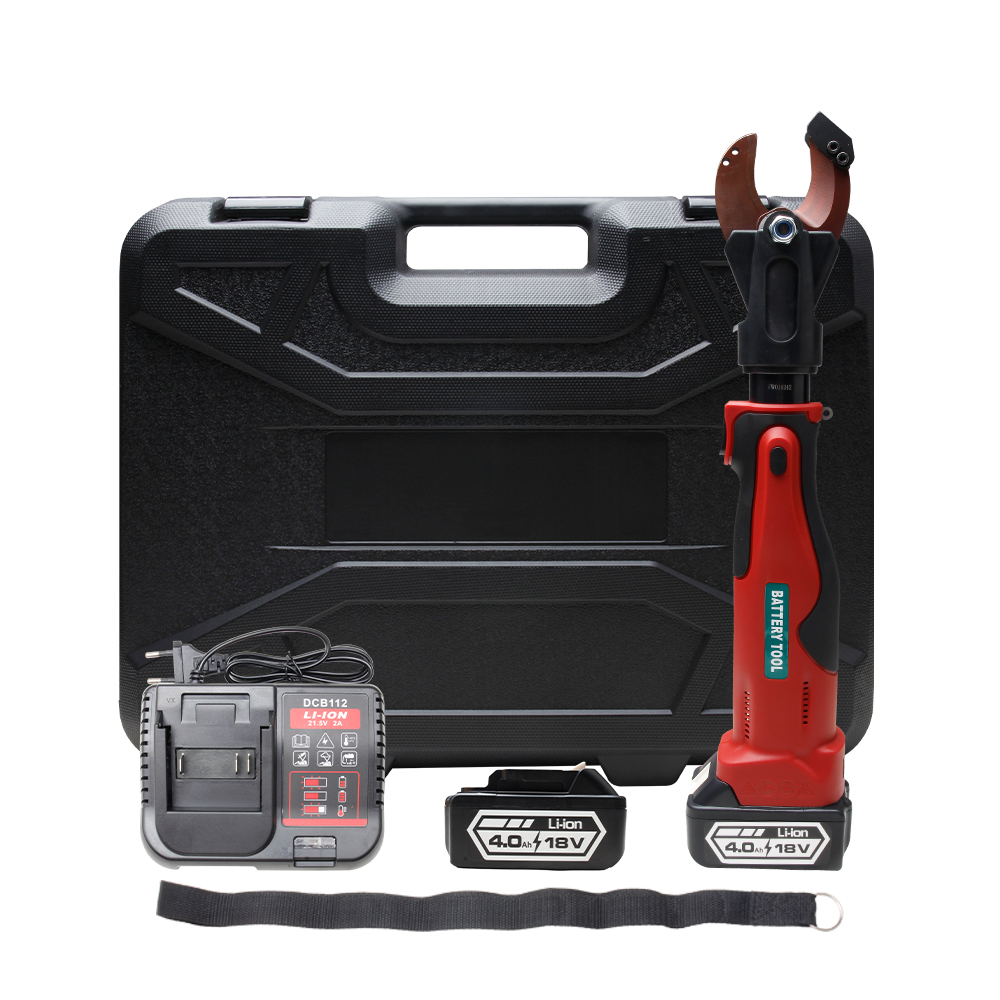
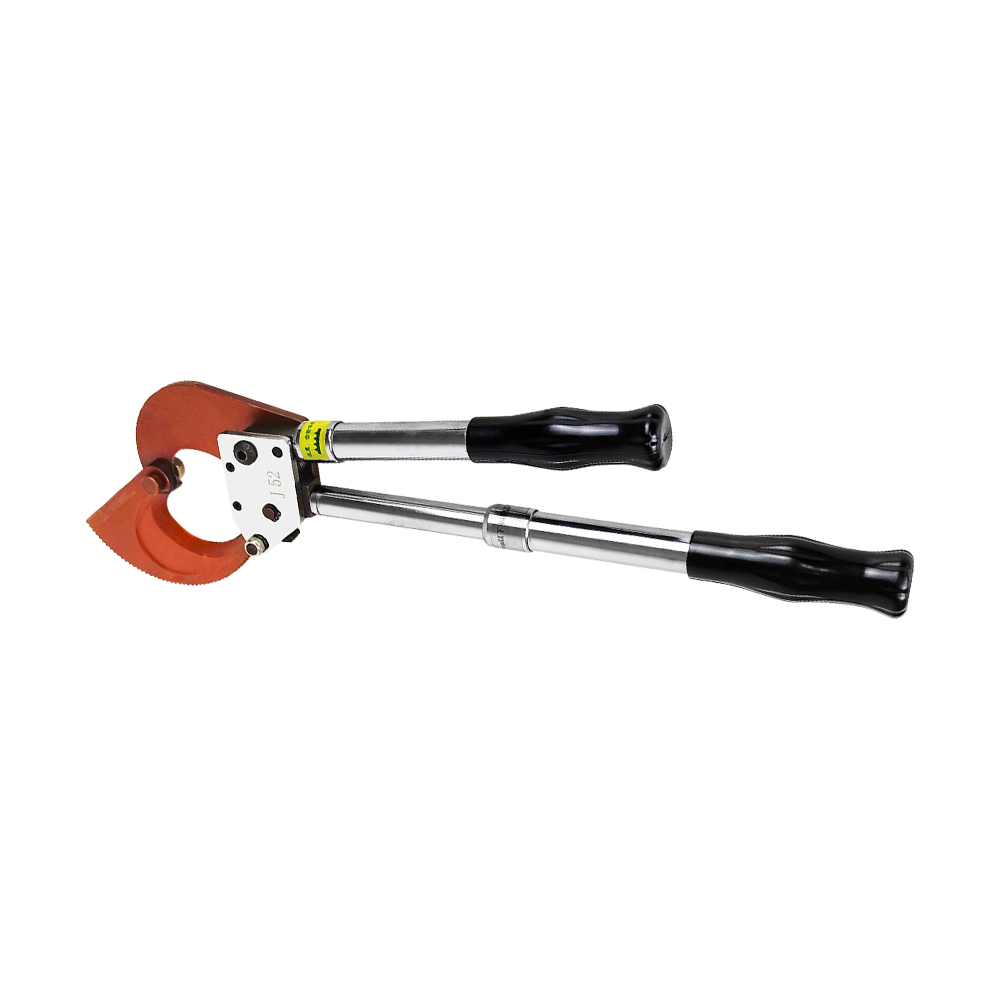
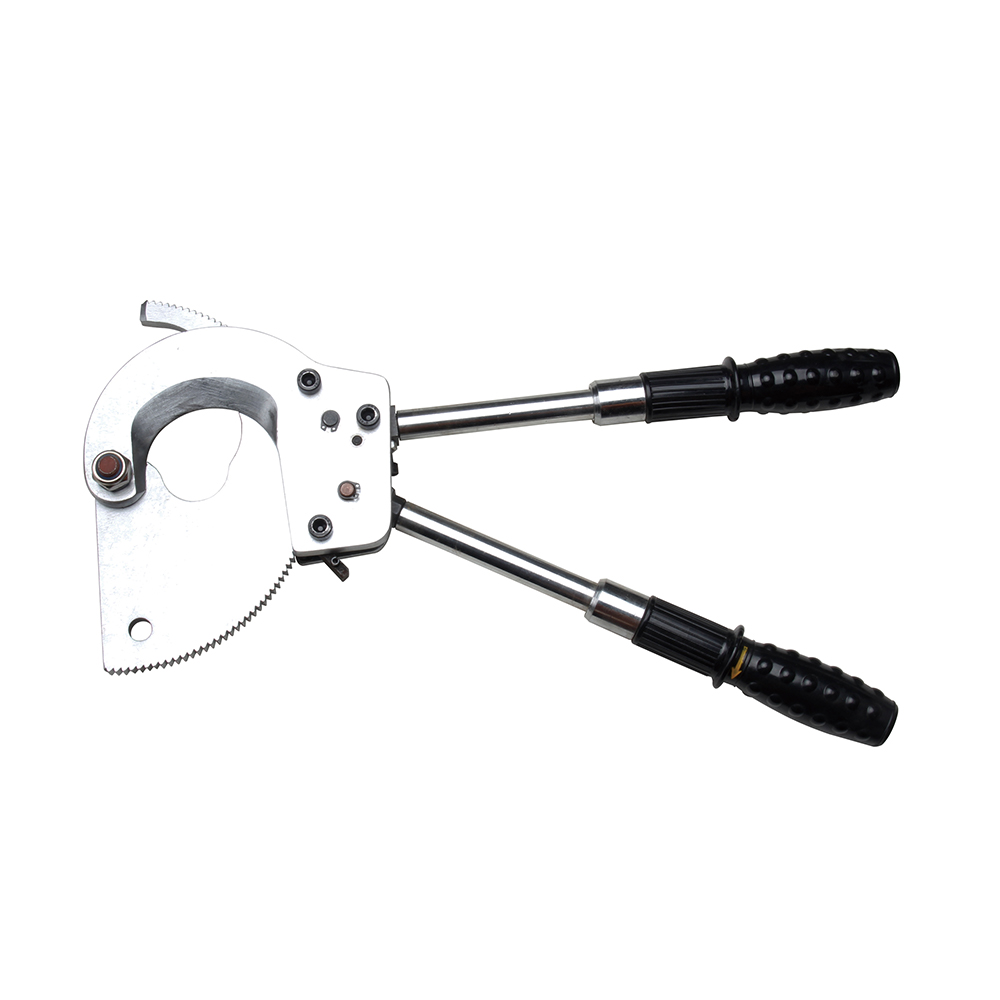
Modern power installation projects are becoming more complex as electrical networks expand, cable structures become stronger, and field conditions become more demanding. From underground power systems to industrial maintenance sites, technicians need tools that provide reliable cutting performance without depending on external power sources. This development has brought renewed attention to the role of the Manual Hydraulic Cable Cutter in professional cable preparation and maintenance work.
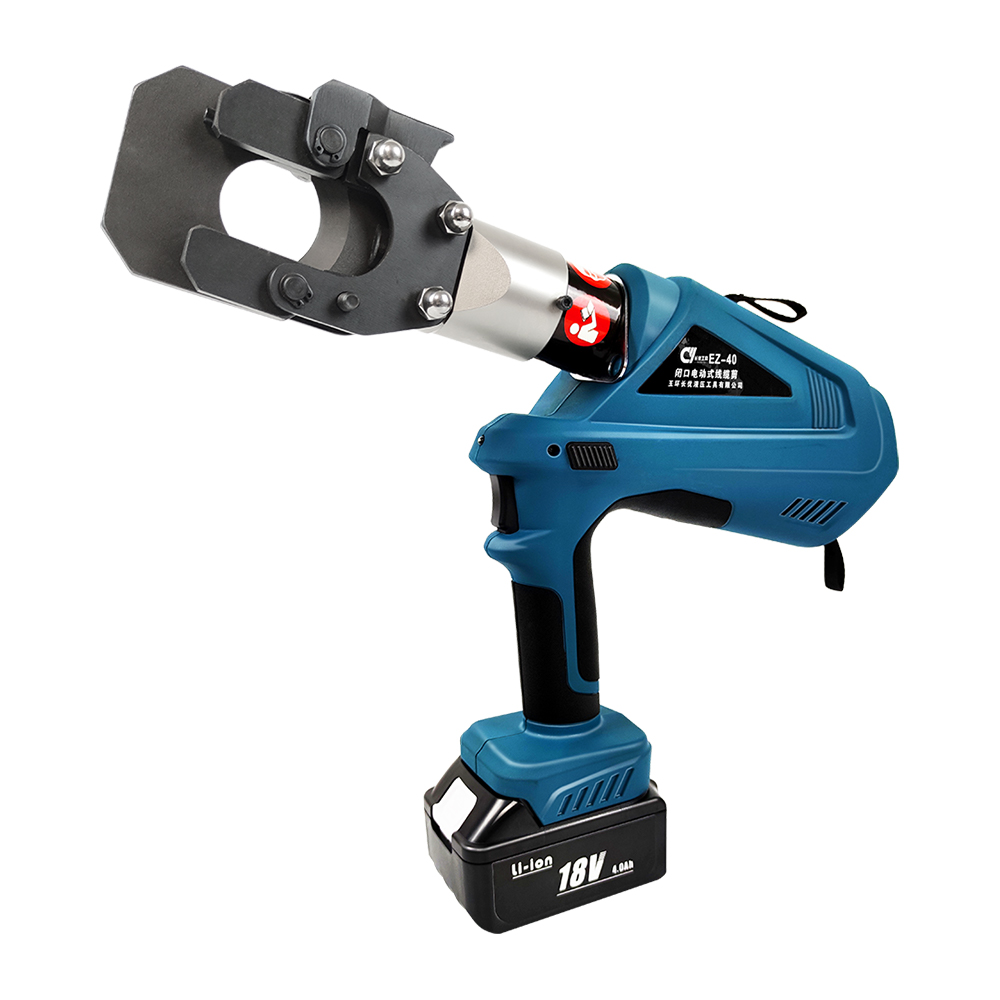
Although battery-powered and electric cutting tools continue to grow in popularity, manual hydraulic solutions remain widely used because of their portability, stable force output, and ability to operate in locations where electricity is unavailable. Many hydraulic cable cutters are designed around high-pressure hydraulic systems, with some models reaching working pressures around 10,000 psi (700 bar) and offering cutting capacities suitable for copper, aluminum, steel wire rope, and reinforced cables.
Changing Requirements in Modern Cable Installation
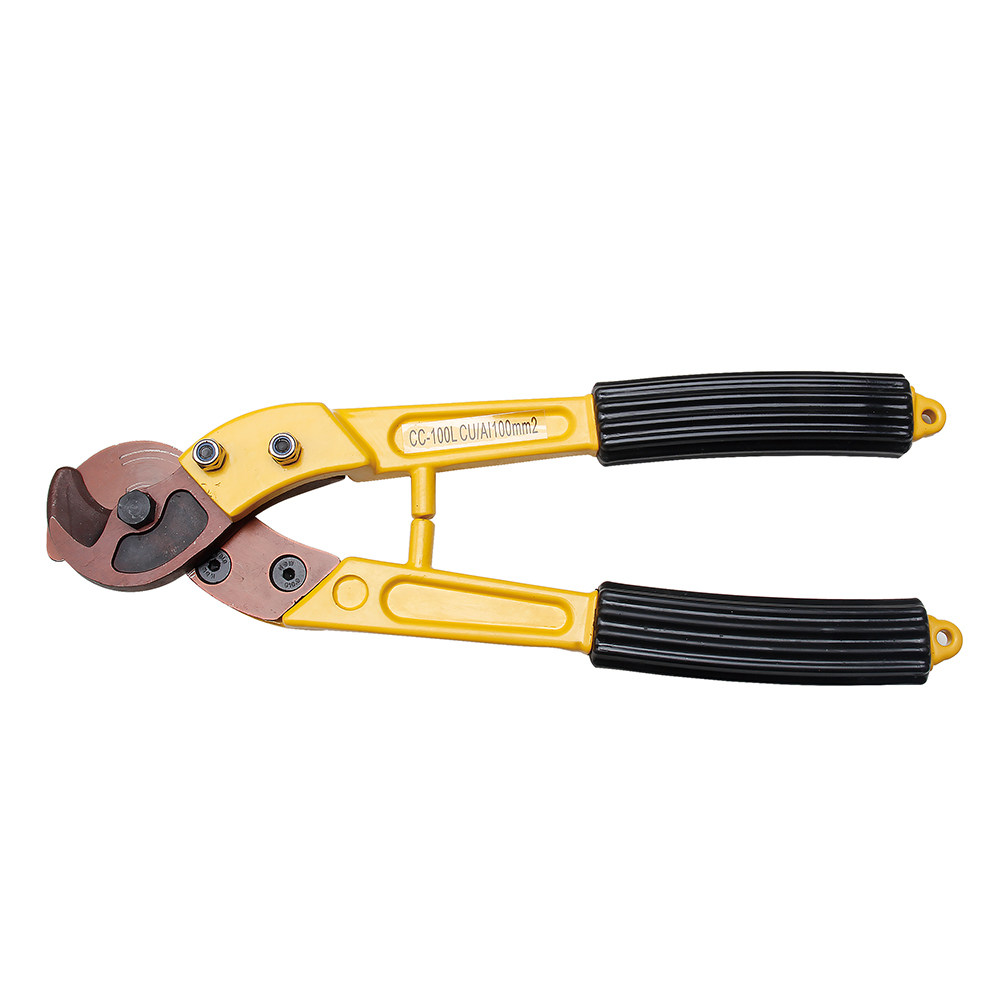
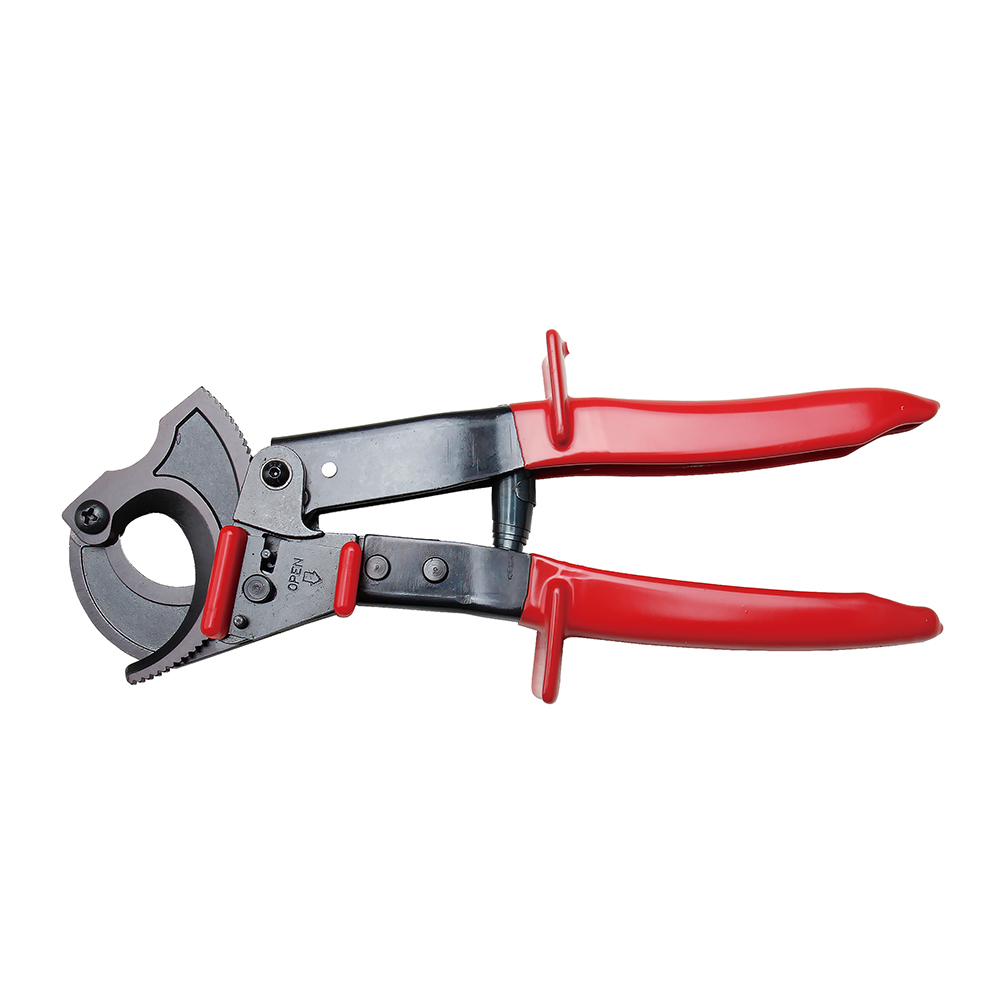
The power industry has experienced significant changes in cable design. Larger conductors, multi-layer insulation, and reinforced structures are becoming common in commercial, industrial, and infrastructure projects. Traditional hand cutters may struggle with these materials because they rely entirely on physical strength and mechanical leverage.
Modern installation teams are looking for cutting equipment that can handle challenging materials while maintaining portability. Hydraulic technology provides a solution by converting manual pumping force into powerful cutting pressure, allowing operators to work with thicker cables while reducing physical strain.
- Underground cable replacement projects requiring compact tools.
- Electrical maintenance tasks in areas without convenient power access.
- Emergency repair operations requiring fast tool deployment.
- Industrial facilities where controlled cutting is needed around sensitive equipment.
Manual Hydraulic Cable Cutter Performance Features
The structure of a hydraulic cutter determines its cutting ability, operating comfort, and service reliability. Compared with standard mechanical cutters, hydraulic models use pressurized fluid to generate stronger blade movement with less manual effort.
High Force Output With Compact Design
A typical hydraulic cutting system includes a hydraulic cylinder, pump mechanism, cutting head, and hardened blades. Some manual hydraulic cutting tools provide around 6 tons of cutting force, while professional hydraulic systems can achieve much higher output depending on the design and application requirements.
Compact dimensions are another important factor. Many portable models are designed with lightweight structures, allowing technicians to carry the tool between job locations. A smaller body size does not mean reduced capability because hydraulic pressure creates mechanical advantages during operation.
Clean Cutting Without Excessive Cable Damage
Cable preparation requires accuracy as well as power. A poor cutting process may deform conductors, damage cable layers, or create additional preparation work before installation.
Modern hydraulic cutters often use specially treated alloy steel blades designed to maintain sharp edges and withstand repeated cutting cycles. Some models feature rotating cutter heads, adjustable jaws, or open-head designs that improve positioning flexibility during field applications.
Where Manual Hydraulic Cutters Fit Into Power Projects
Despite advances in cordless technology, manual hydraulic tools continue to serve important roles across multiple industries. Their biggest advantage is independence from batteries, charging equipment, or electrical supply systems.
- Utility maintenance: Technicians can carry hydraulic cutters for transmission and distribution cable work.
- Construction projects: Installation crews can prepare cables during different stages of electrical system development.
- Industrial facilities: Maintenance teams can handle cable replacement tasks with controlled cutting force.
- Remote locations: Workers can perform cutting operations even without nearby power sources.
Safety Considerations During Cable Cutting Operations
Safety has become a key concern as cable systems increase in size and complexity. The cutting tool must match the cable type, diameter, and material characteristics. Using equipment beyond its rated capacity may reduce cutting quality and create unnecessary risks.
Professional operators usually check several factors before starting work:
- Cable diameter and conductor material.
- Maximum cutting capacity of the tool.
- Hydraulic pressure rating and component condition.
- Blade condition and proper positioning.
Hydraulic systems designed for cable cutting commonly include pressure control features to protect internal components. Regular inspection of hydraulic hoses, connectors, and moving parts also helps maintain safe operation.
Future Development Trends of Cable Cutting Equipment
The future of cable cutting tools is moving toward a combination of strength, portability, and smarter operation. While battery-powered models continue expanding, manual hydraulic solutions remain valuable because they provide dependable performance in demanding environments.
Several trends are shaping the next generation of hydraulic cutting equipment:
- Improved ergonomic designs: Manufacturers are focusing on reducing operator fatigue through better handles and balanced structures.
- Stronger blade materials: Advanced alloys and heat treatment technologies help extend cutting performance.
- Greater application flexibility: Adjustable cutting heads and interchangeable components allow one tool to serve different job requirements.
- Compact professional equipment: Field technicians increasingly require tools that combine mobility with industrial-grade capability.
A Reliable Option for Evolving Installation Demands
Power installation environments will continue changing as electrical infrastructure expands and cable designs become more advanced. Tools used in these projects must provide dependable operation while adapting to different working conditions.
The Manual Hydraulic Cable Cutter remains relevant because it combines hydraulic force, portability, and operational independence. Whether used for cable replacement, maintenance projects, or installation preparation, this type of cutting tool continues to support professionals who need controlled performance in challenging environments.
As power systems become more sophisticated, hydraulic cutting technology will continue evolving to meet the practical needs of electricians, contractors, and maintenance teams worldwide.