Uses and Operating Principles of Hydraulic Flange Spreaders and Nut Splitters and Thread Protection
Hydraulic tools have changed the way maintenance crews handle seized bolted connections and stuck flanges. Two tools often confused for each other—flange spreaders and nut splitters—serve entirely different purposes. And getting them right matters. If you swap one for the other, you could damage equipment or create a safety hazard. Here’s how each one works and when to reach for which.
What is the purpose of hydraulic flange spreaders?
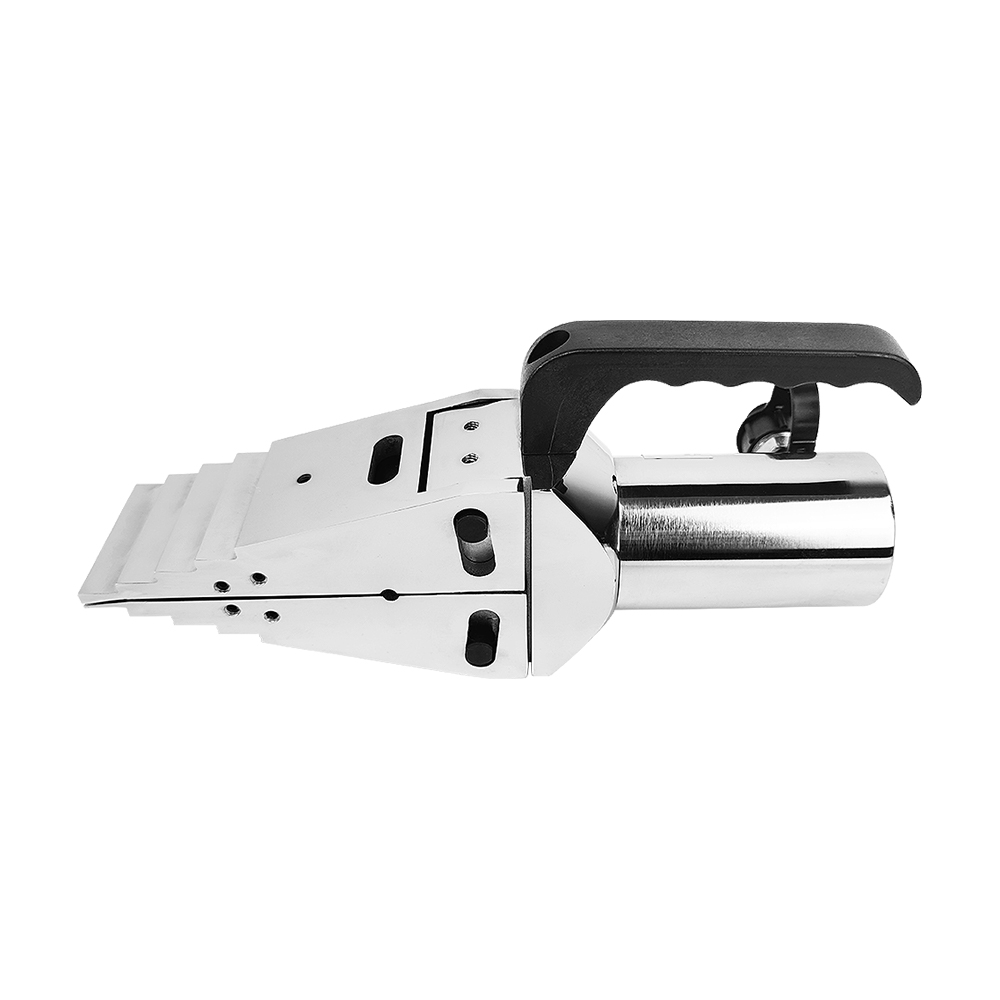
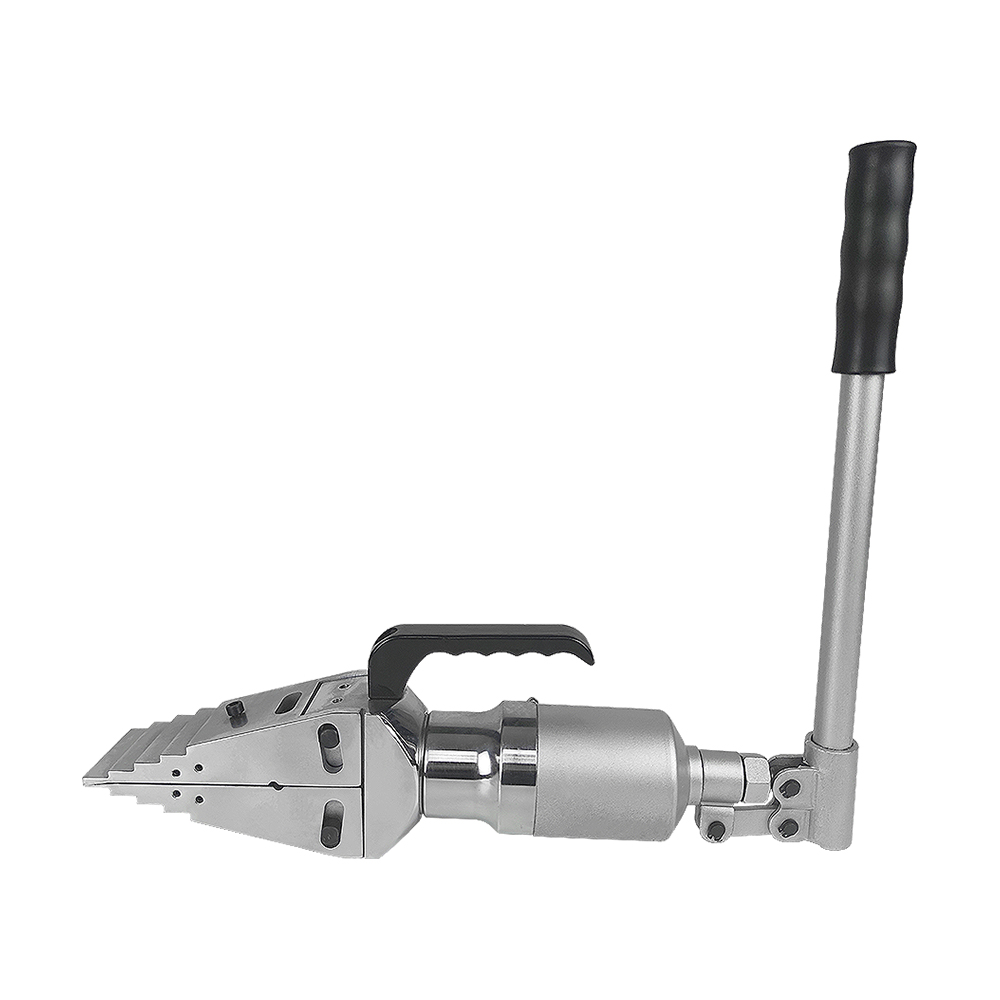
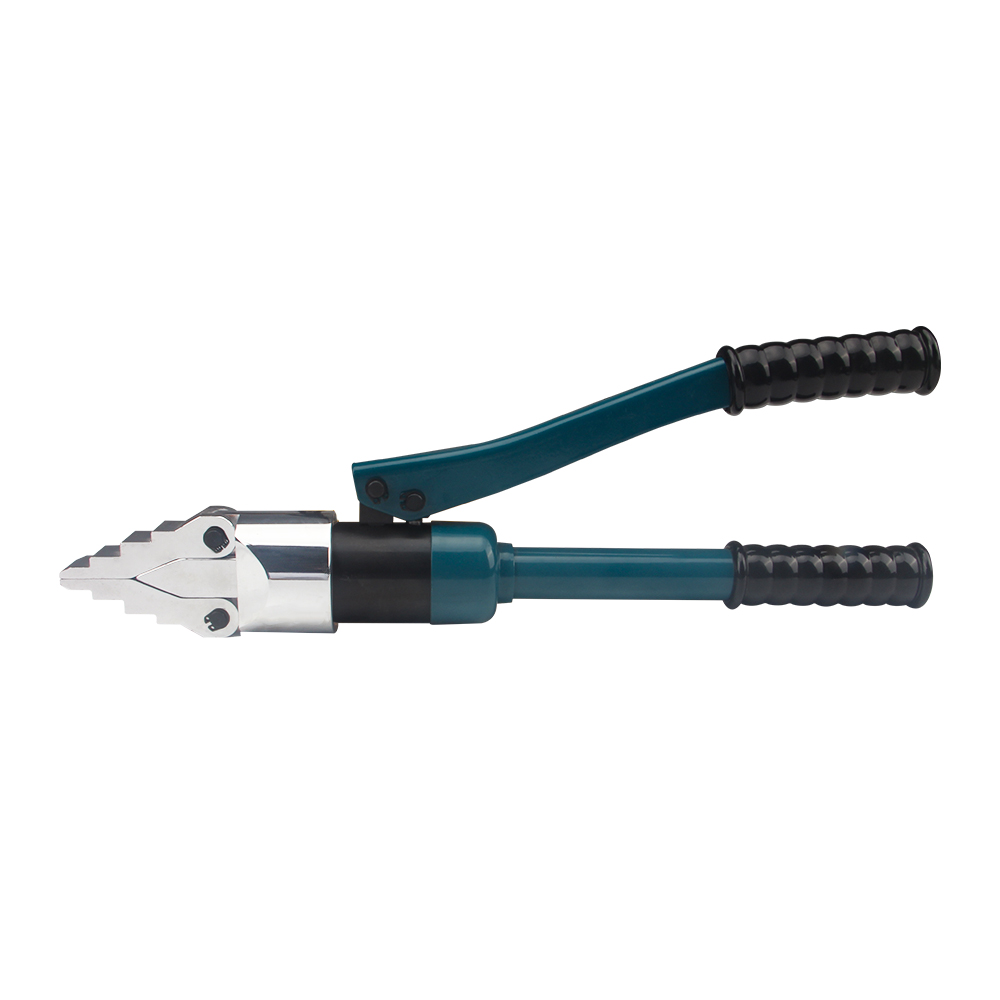
A hydraulic flange spreader does what it says on the tin: it spreads two flange faces apart. The tool uses a thin wedge that fits into the gap between flanges ( as little as 3 to 6 millimetres ) and then hydraulic pressure pushes that wedge forward, creating a controlled separation.
Primary Applications:
- Gasket replacement: When a flange joint needs a new gasket, the spreader opens just enough clearance to slide the old one out and the new one in without unbolting everything.
- Flange face inspection: Corrosion, pitting, or damage on sealing faces can be checked once the gap opens up.
- Pipe alignment and realignment: During installation or maintenance, spreaders help nudge flanges back into proper position.
- Valve removal and installation: Accessing valve connections often requires separating flanges that have been in place for years.
- Decommissioning work: Offshore platforms, refineries, and process plants use these tools when dismantling old equipment.
The key advantage is control. A flange spreader applies force gradually, in measurable steps, so you don't distort the flange faces or damage bolt holes. Spreaders also eliminate hot work—no torches, no sparks, which matters enormously in hydrocarbon environments.
Most hydraulic flange spreaders operate at the industry-standard 10,000 psi (700 bar) and deliver spreading forces ranging from about 7 tonnes up to 35 tonnes depending on the model. The tool's wedge design converts linear hydraulic force into a perpendicular spreading action, opening gaps typically up to 25–30 millimeters.
| Feature |
Hydraulic Flange Spreader |
| Primary action |
Spreads flanges apart |
| Typical force range |
7–35 tonnes at 700 bar |
| Minimum insertion gap |
3–6 mm |
| Max spread |
25–30 mm (some up to 80 mm with stepped blocks) |
| Effect on hardware |
Preserves bolts and threads when used correctly |
| Common industries |
Oil and gas, petrochemical, power generation, offshore |
Will a Hydraulic Nut Splitter Damage the Bolt or Stud Threads?
The short answer: no—when used correctly, the bolt threads stay intact.
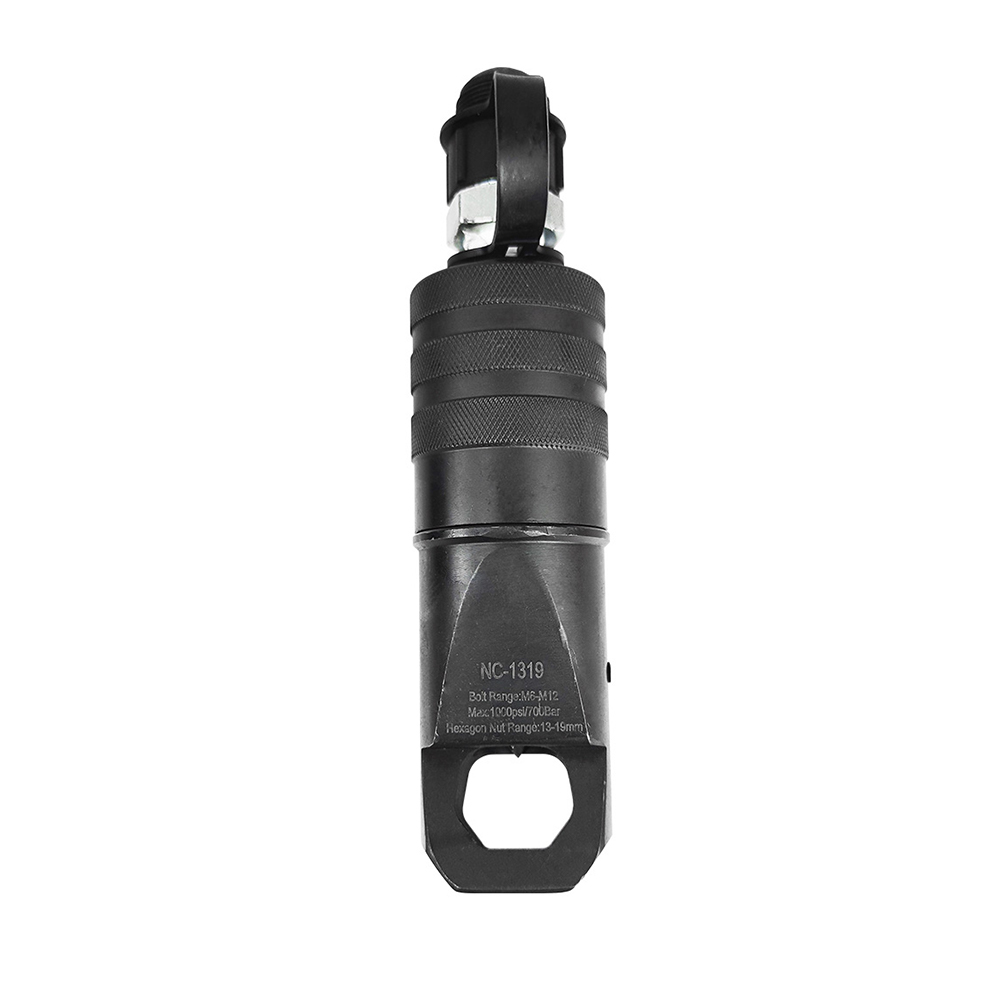
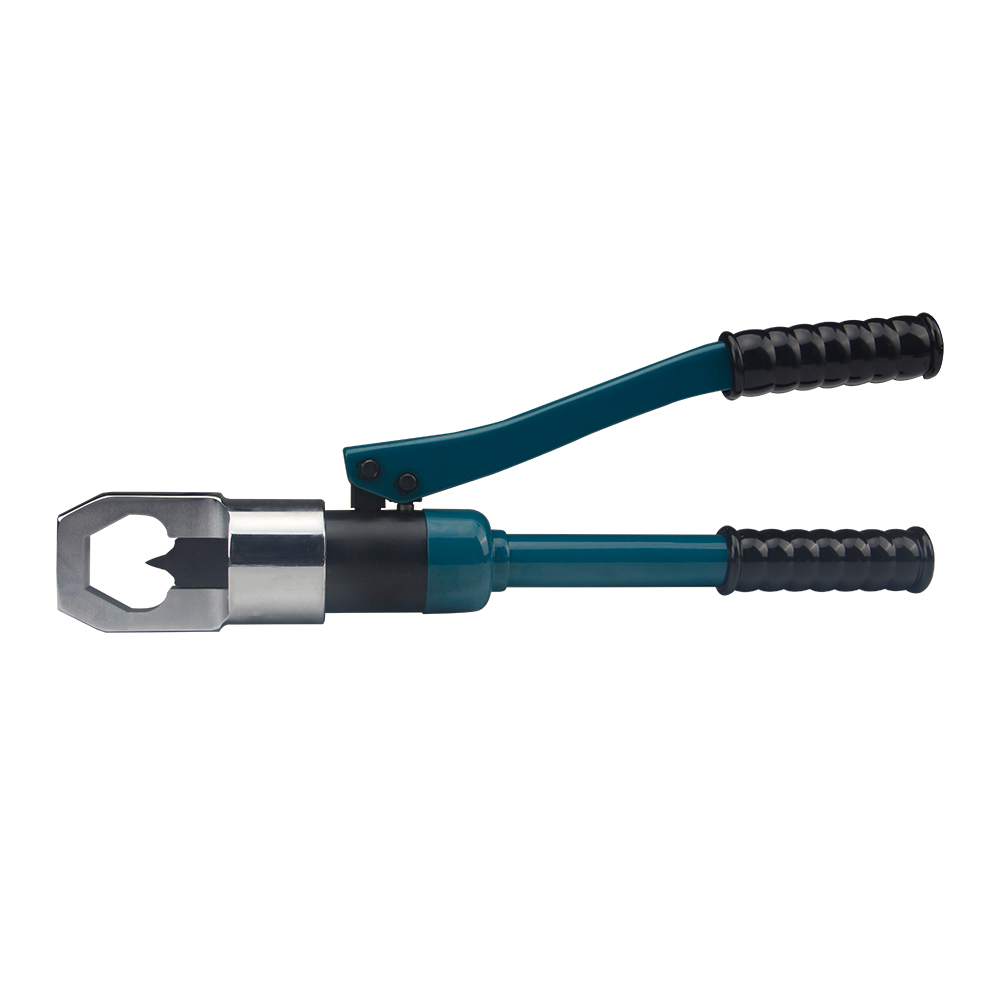
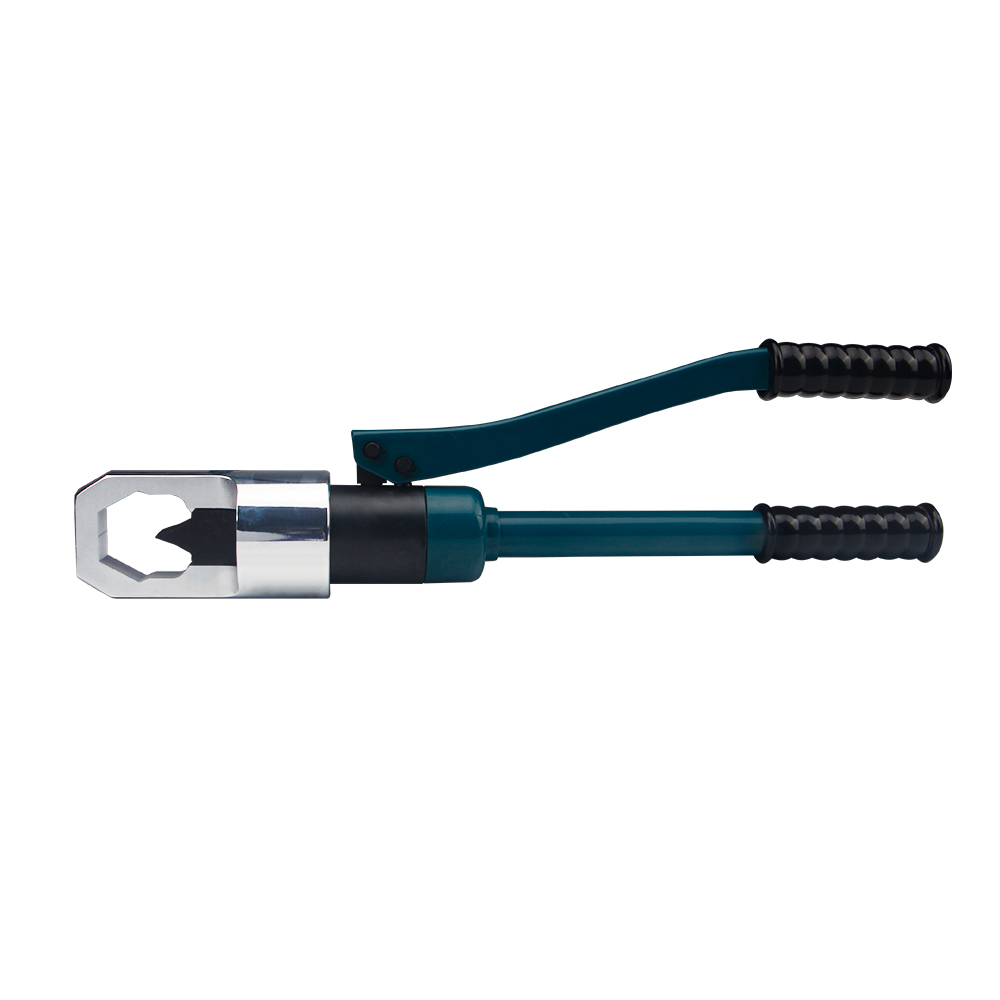
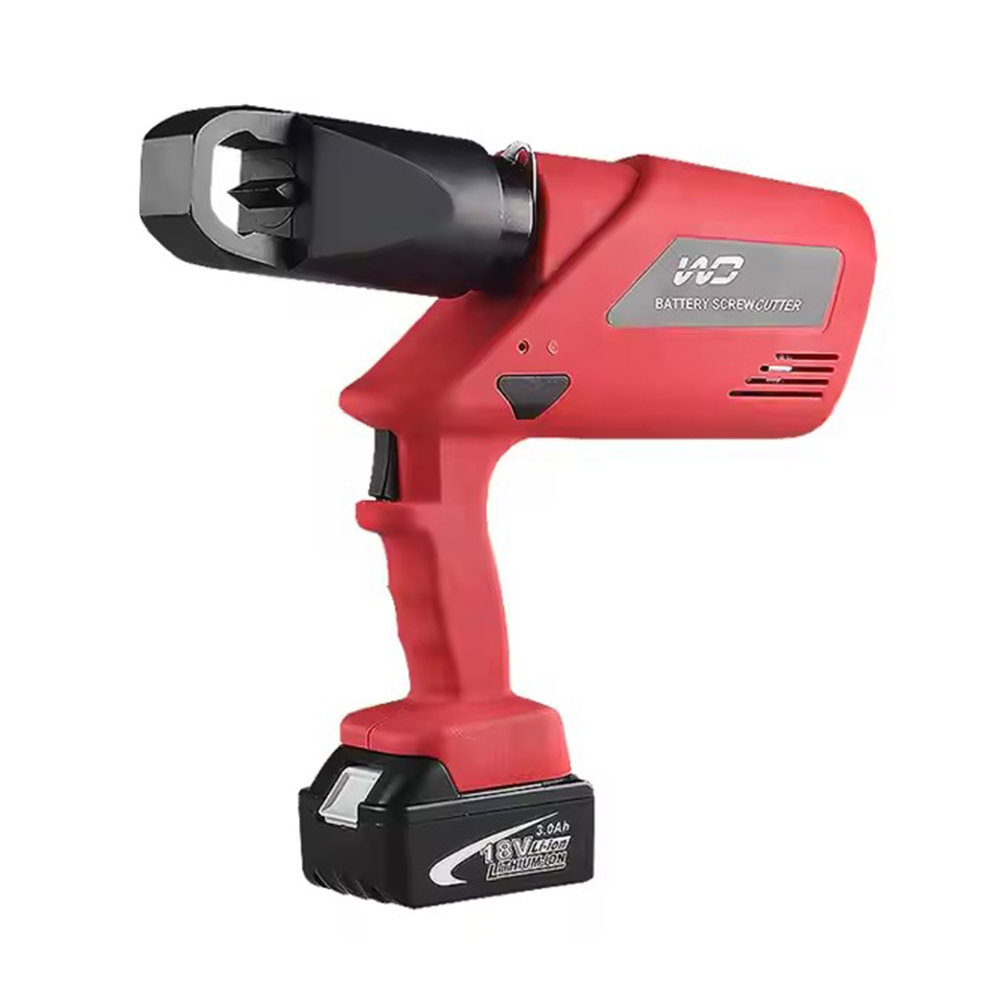
That's the whole point of the tool. A hydraulic nut splitter is designed to destroy the nut while protecting the stud or bolt underneath. The blade drives into the nut face, builds focused internal stress, and cracks the nut open along its length. The blade stops short of the thread zone.
How the design prevents thread damage:
- Blade geometry: The chisel is shaped as a short-stroke wedge that stops before reaching the thread depth. Most manufacturers design the blade travel so it cracks the nut without contacting the bolt.
- Precise control: Many models feature dial-in blade travel controls that limit how far the chisel advances. The Power Team HNS series, for instance, has a "dial-in" feature that adjusts the splitter to match the nut size, removing the guesswork.
- Operator technique: Proper positioning matters. The nut splitter must sit flush against a flat face of the nut, and the operator watches the pressure gauge to stop immediately once the nut cracks.
The only caveat: Some manufacturers note that a blade witness mark may occasionally be left on the stud. That's a superficial mark, not thread damage, and it doesn't compromise the fastener's integrity.
When a nut splitter makes sense:
- Nuts seized by heavy corrosion where penetrants and torque won't work.
- Thermal seizure on high-temperature equipment (boilers, turbines) where torches aren't allowed.
- Rounded or damaged nut faces where no socket will grip.
- Oversized fasteners that exceed the breakaway capacity of torque tools.
The typical procedure involves two cuts, 180 degrees apart. The nut cracks into two halves, the housing captures the fragments, and the stud remains ready for a new nut.
| Feature |
Hydraulic Nut Splitter |
| Primary action |
Splits and destroys the nut |
| Force range |
5–90 tonnes depending on model |
| Nut size coverage |
M6 through M48 (10–75 mm AF) |
| Effect on threads |
Threads survive; stud protected |
| Typical cuts required |
Two cuts, 180° apart |
| Common industries |
Oil and gas, shipbuilding, power generation, mining |


 English
 Español