How Often Should You Maintain a Hydraulic Punching Machine?
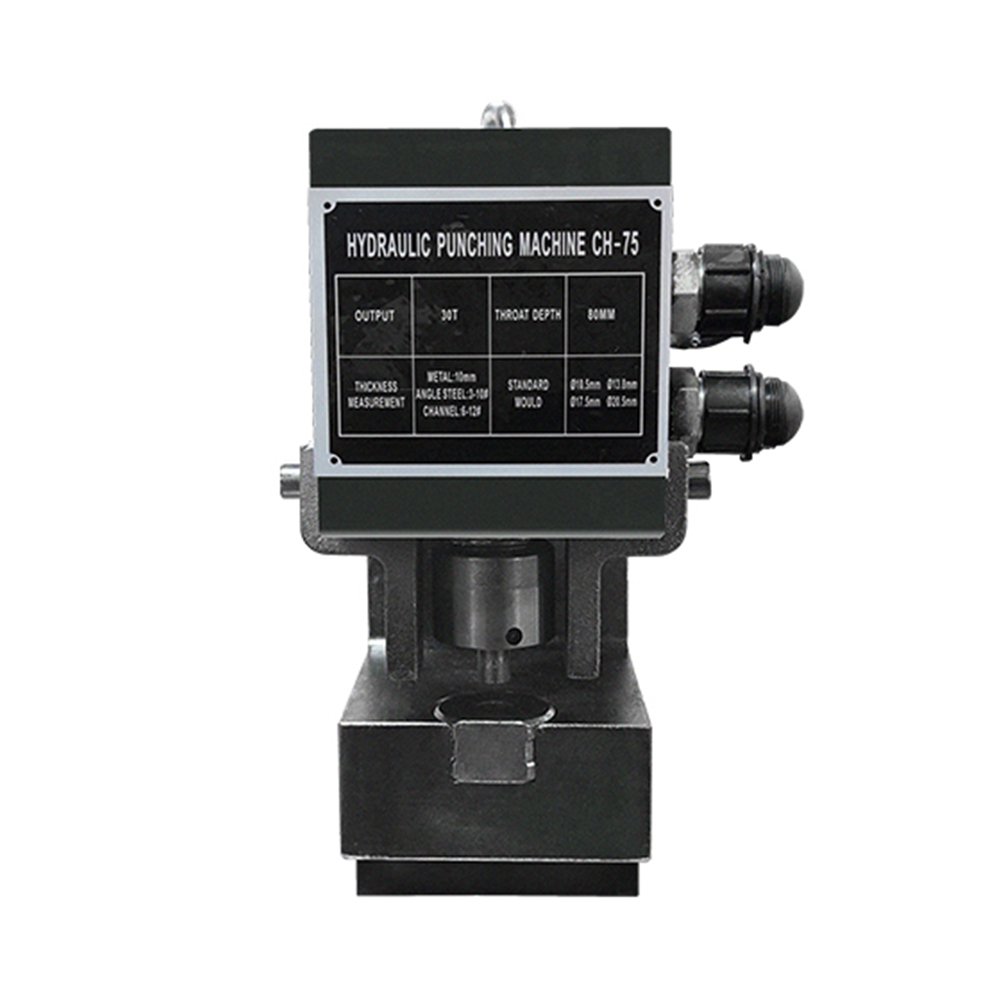
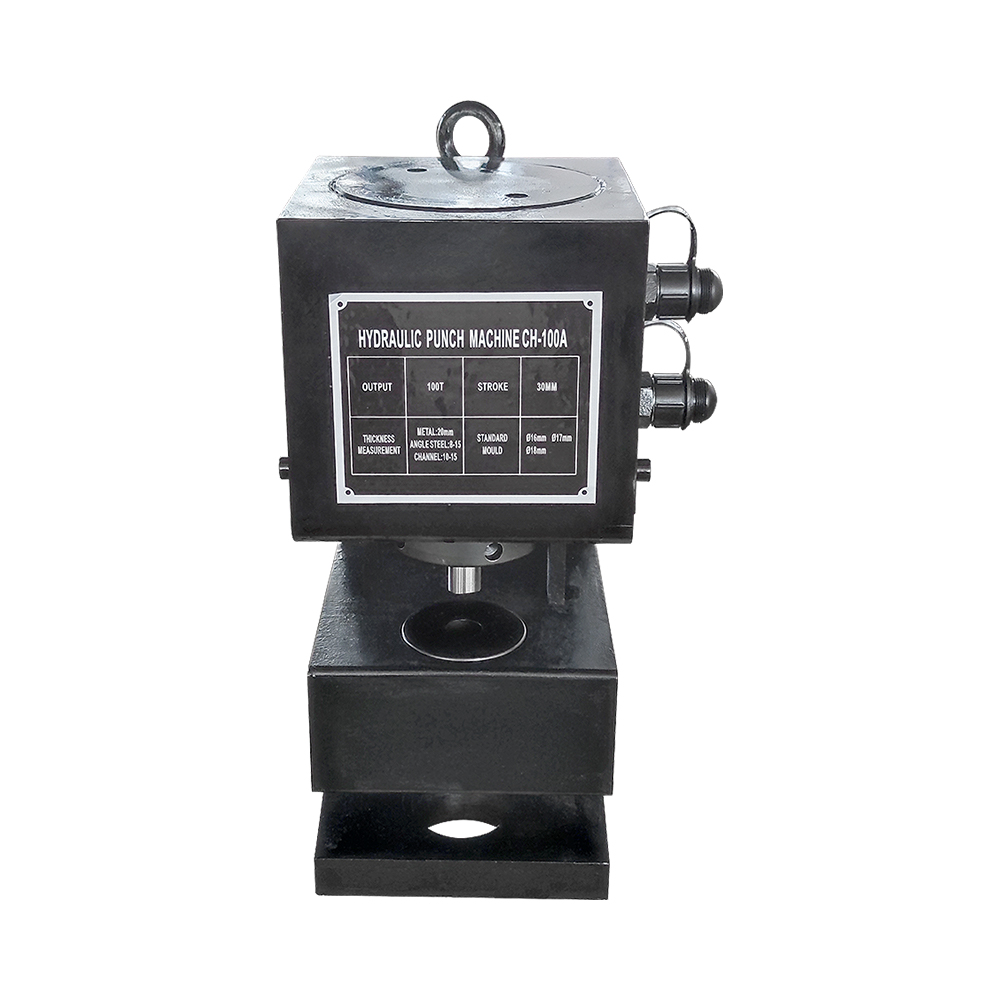
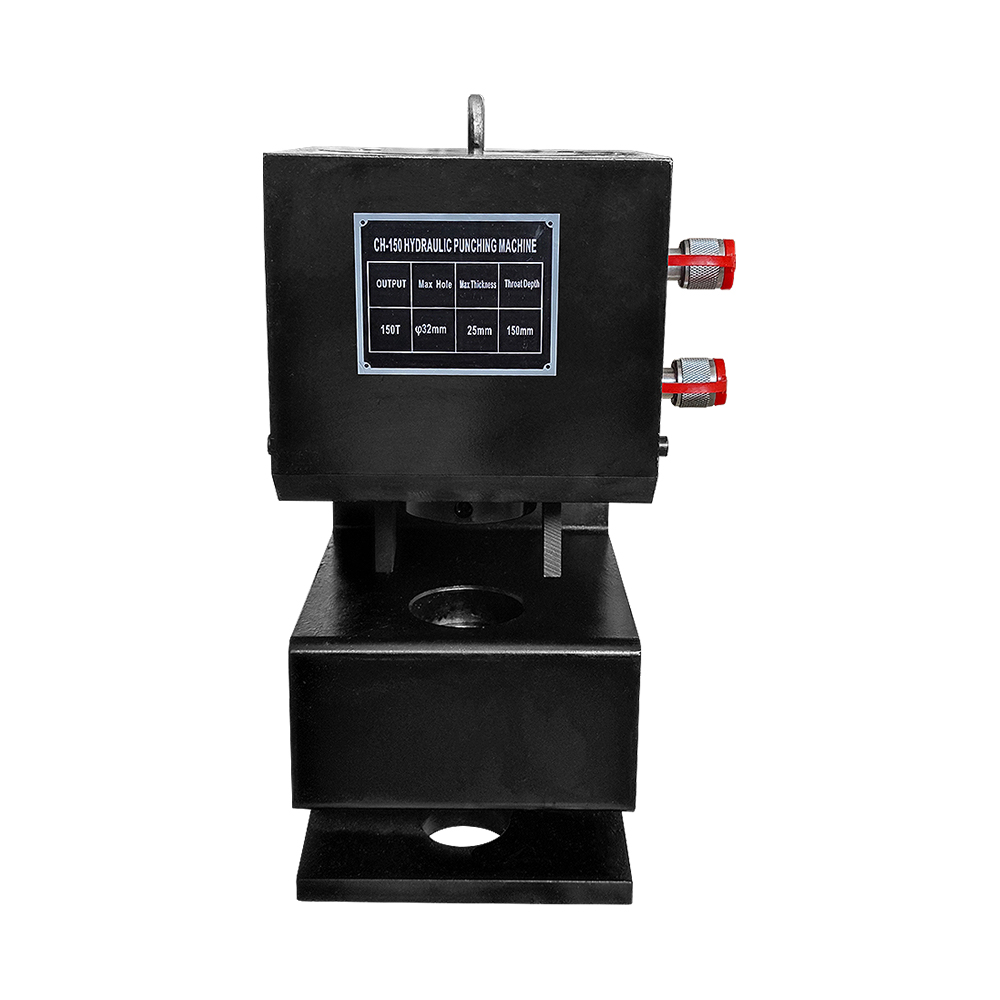
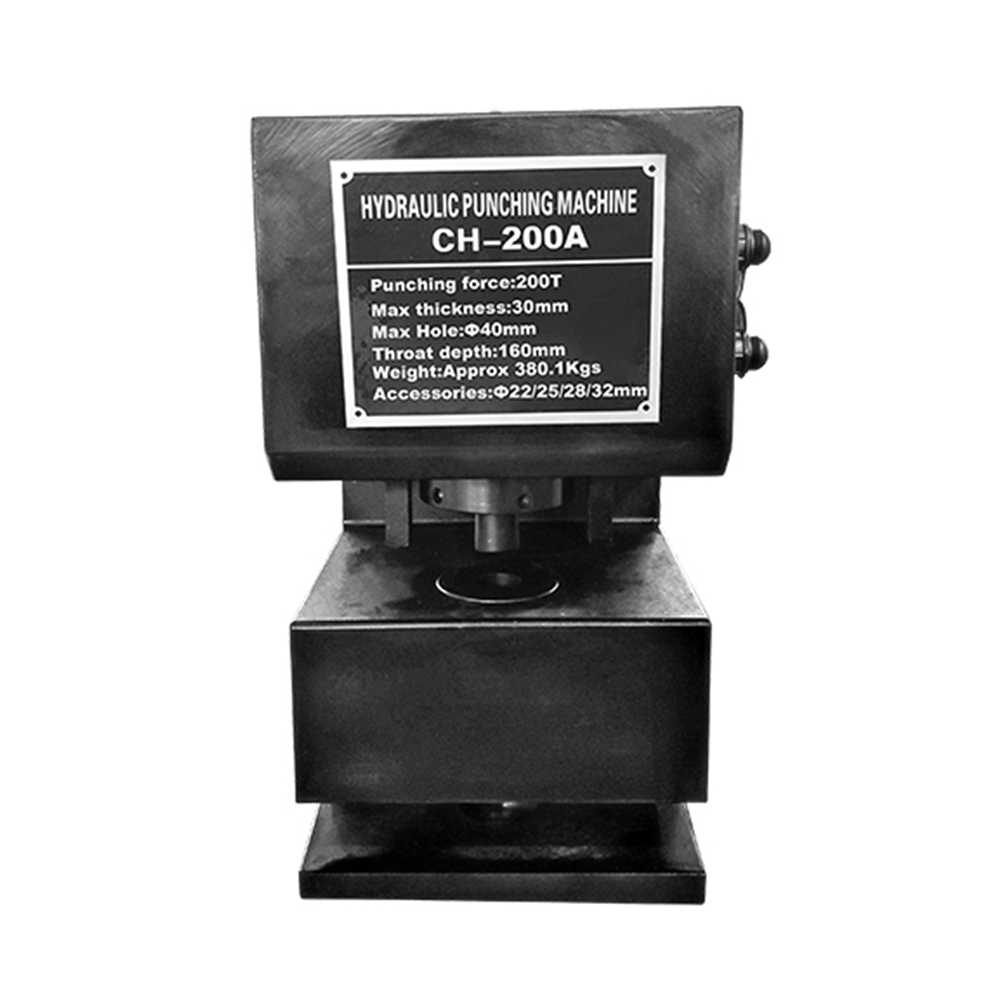
Hydraulic punching machines are really important in metal fabrication because they can punch through steel plates, angle iron and channel stock with a lot of force. However, if you do not take care of them they will not work properly. Can even be dangerous. You need to make sure your hydraulic punching machine is in good condition.
Daily Maintenance Tasks
The best way to maintain your hydraulic punching machine is to check it every day. It only takes a minute to do this. If you check your punching machine daily you can find problems before they become big issues.
- Visual Inspection: Walk around the machine and look for anything out of place—hydraulic fluid leaks, cracks, rust, or loose bolts. This simple habit catches minor issues before they become major failures.
- Fluid Level Check: Hydraulic oil is the lifeblood of the system. Check the reservoir daily and keep the level between the Full and Min marks. Low oil causes overheating and can destroy the pump.
- Clean the Machine: Remove metal chips, dust, and debris after each use. Debris accumulation hinders performance and shortens component life.
- Safety Checks: Test the emergency stop and verify all safety switches are operational.
Weekly Maintenance Tasks
These tasks take a bit more time but are critical for preventing wear and maintaining accuracy.
- Lubricate Moving Parts: Grease the rocker arm pivot, punch ram slide, and all lubrication points according to the manufacturer's schedule. Insufficient lubrication leads to premature wear and overheating.
- Inspect Tooling: Check the punch and dies for chips, cracks, dull edges, or other defects. Dull tools compromise cut quality and put extra stress on the machine.
- Check Fasteners: Verify that all bolts, nuts, and connections are tight. Loose fasteners cause vibration, noise, and alignment problems.
- Check Hydraulic Hoses and Fittings: Inspect hoses for cracks, wear, or leaks. Tighten any loose connections. One source recommends checking hydraulic hose connections every 40 hours of operation.
Monthly Maintenance Tasks
Monthly checks go deeper into the system's health.
- Inspect Hydraulic System: Check for leaks in hoses, seals, and valves. Monitor operating temperature and pressure. If oil temperature climbs above normal levels (around 48°C/118°F is a common threshold), investigate the cause—overheating damages critical components.
- Examine Filter Condition: A plugged filter forces fluid to bypass, allowing contamination into the system. Some manufacturers recommend changing the filter element every three months, depending on workload and conditions.
- Inspect Seals and Hoses: Look for signs of wear on hydraulic seals and hoses. Replace any that are cracked, brittle, or showing damage.
- Verify Punch Head Alignment: Misalignment leads to uneven tool wear and reduced accuracy. Check and adjust as needed.
Quarterly and Annual Maintenance
These longer-interval tasks require more time but are essential for machine longevity.
Every 3-6 Months:
- Replace hydraulic oil filters. Some machines require this every six months.
- Change hydraulic fluid if it shows signs of contamination—water ingress, discoloration, or metal particles.
- Re-lubricate all machine components.
Annually:
- Conduct a full machine inspection and overhaul by a qualified technician.
- Replace worn parts and recalibrate controls.
- Perform a comprehensive oil flush and replacement. Some equipment specifications recommend hydraulic oil changes after the first 3,000 hours, then every 5,000 hours thereafter.
| Maintenance Interval |
Key Tasks |
| Daily |
Visual inspection, check fluid level, clean debris, test emergency stop |
| Weekly |
Lubricate moving parts, inspect tooling, check fasteners and hoses |
| Monthly |
Inspect hydraulic system for leaks, check filters, verify alignment |
| Every 3-6 months |
Replace hydraulic oil filters, change contaminated fluid |
| Annually |
Full machine overhaul, replace worn parts, flush hydraulic oil |
Safety Precautions During Maintenance
Hydraulic punches are dangerous machines. Follow these rules every time you perform maintenance:
- Always disconnect power before working on the machine. Lock out the main electrical panel to prevent accidental startup.
- Turn off the power when changing molds or tooling.
- Wear appropriate PPE—gloves, safety glasses, and work clothing.
- Never place the top die into the bottom die during storage, as this damages the cutting edges.


 English
 Español