Everything You Need to Know About Pipe Press Tools
Pipe press tools have become standard equipment for plumbers and HVAC technicians. They create leak-free joints in seconds without flame, solder, or flux. But with so many options on the market, questions pile up fast. Which pipes can you press? Is a battery-powered tool worth the extra cost? What about maintenance? Here's what you actually need to know.
What Types of Pipes Can Be Connected with a Pipe Pressing Tool?
Most modern press tools handle the common materials you'll find in residential and commercial plumbing. The key is using the right jaw for the right pipe.
Copper: This is the most common application. Press tools work with both hard and soft copper tubing, typically from ½ inch up to 2 inches or more.
Stainless Steel: Press systems handle 304 and 316L stainless steel pipes, commonly used in commercial kitchens, medical gas lines, and corrosive environments. Stainless requires specific jaws—don't use copper jaws on stainless.
PEX and Multilayer Composite (MLCP): Cross-linked polyethylene and multilayer pipes are increasingly popular for water distribution and radiant heating. Press tools with the correct jaws make quick work of these connections.
Carbon/Black Steel: Used in gas lines and some industrial applications, carbon steel can also be pressed with the right tool and jaws.
| Pipe Material |
Typical Applications |
Jaw Requirement |
| Copper |
Water supply, HVAC |
ProPress-style jaws |
| Stainless Steel (304/316L) |
Medical gas, commercial kitchens, corrosive environments |
Stainless-specific jaws |
| PEX / Multilayer |
Potable water, radiant heating, hydronics |
PEX/MLCP-specific jaws |
| Carbon/Black Steel |
Gas lines, industrial piping |
MegaPress-style jaws |
Short answer: it depends on how much you use it. Both have their place.
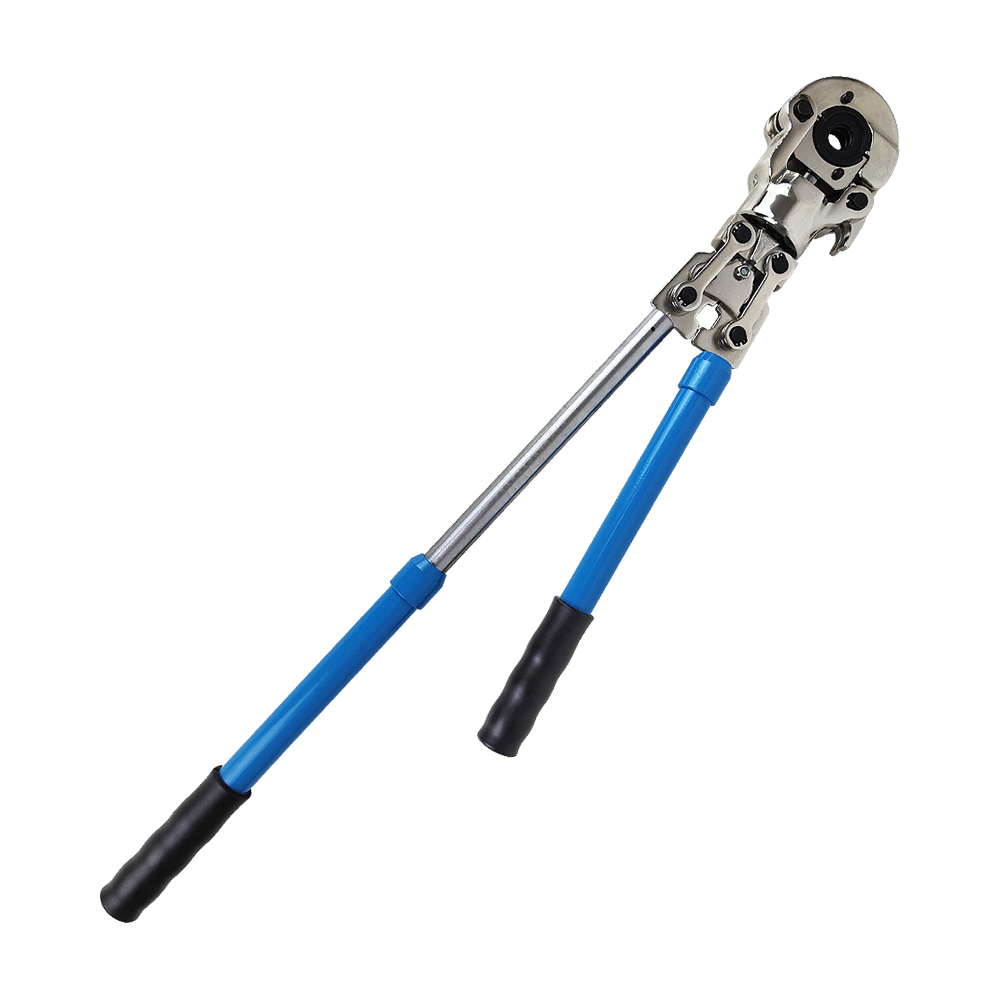
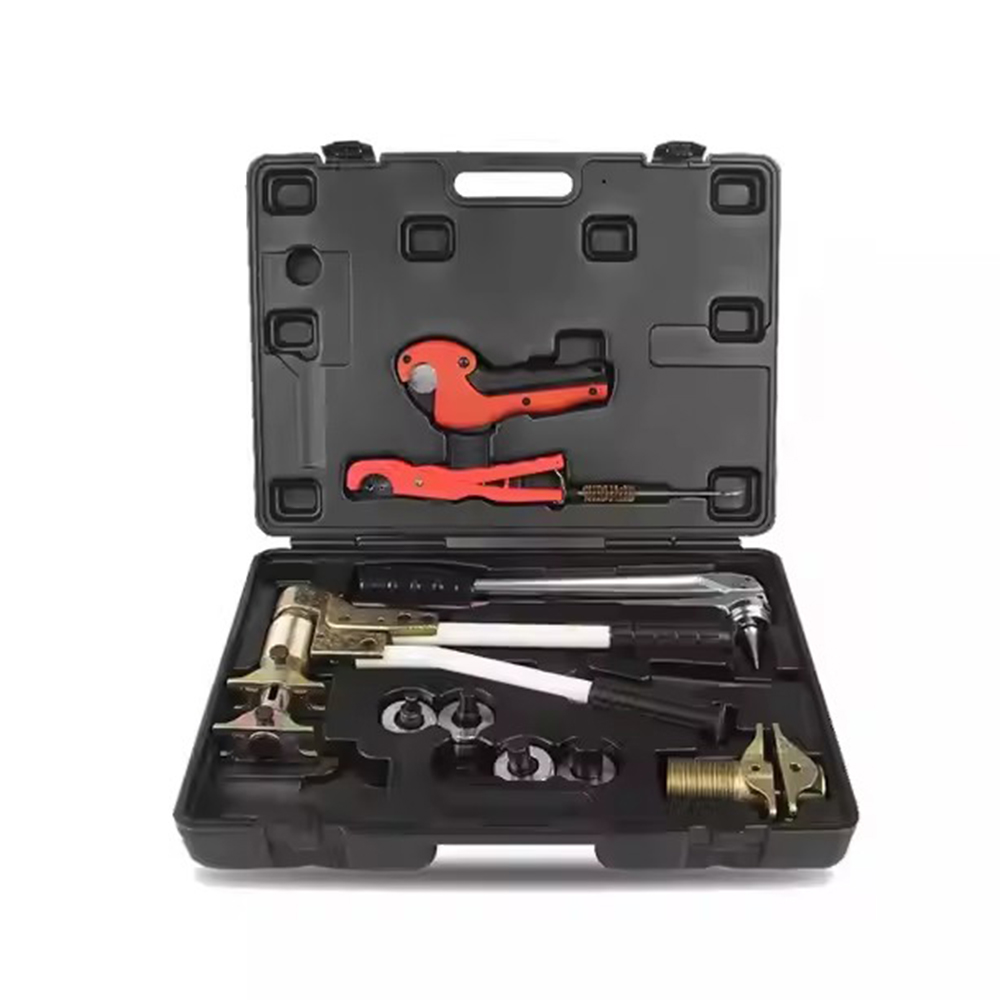
Manual Press Tools are simpler and lighter on the wallet. They operate through leverage, squeezing the fitting and pipe together by hand force. Some models feature 360-degree rotating heads for tight spots. The downsides? Physical effort. Doing more than a handful of connections in a row will wear you out, and fatigue leads to inconsistent crimps. Manual tools also tend to have smaller diameter capacity—typically topping out at 1¼ inches.
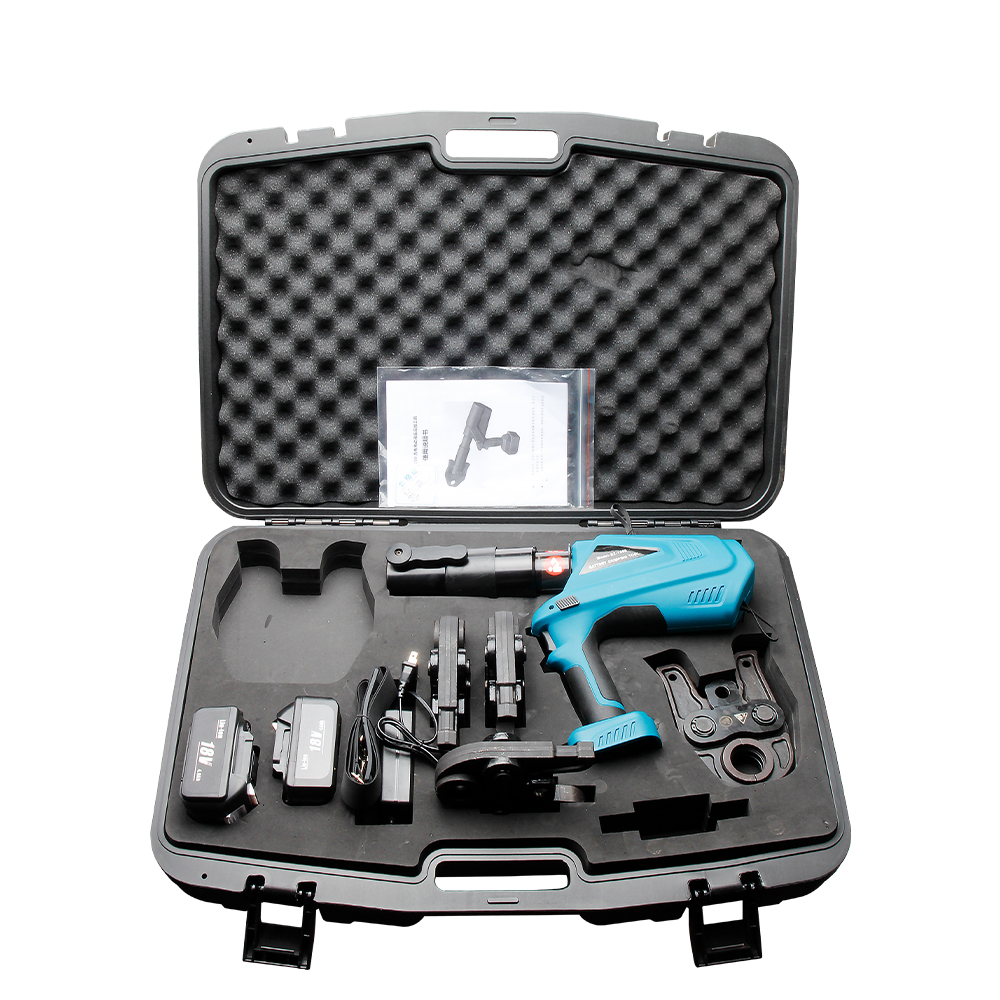
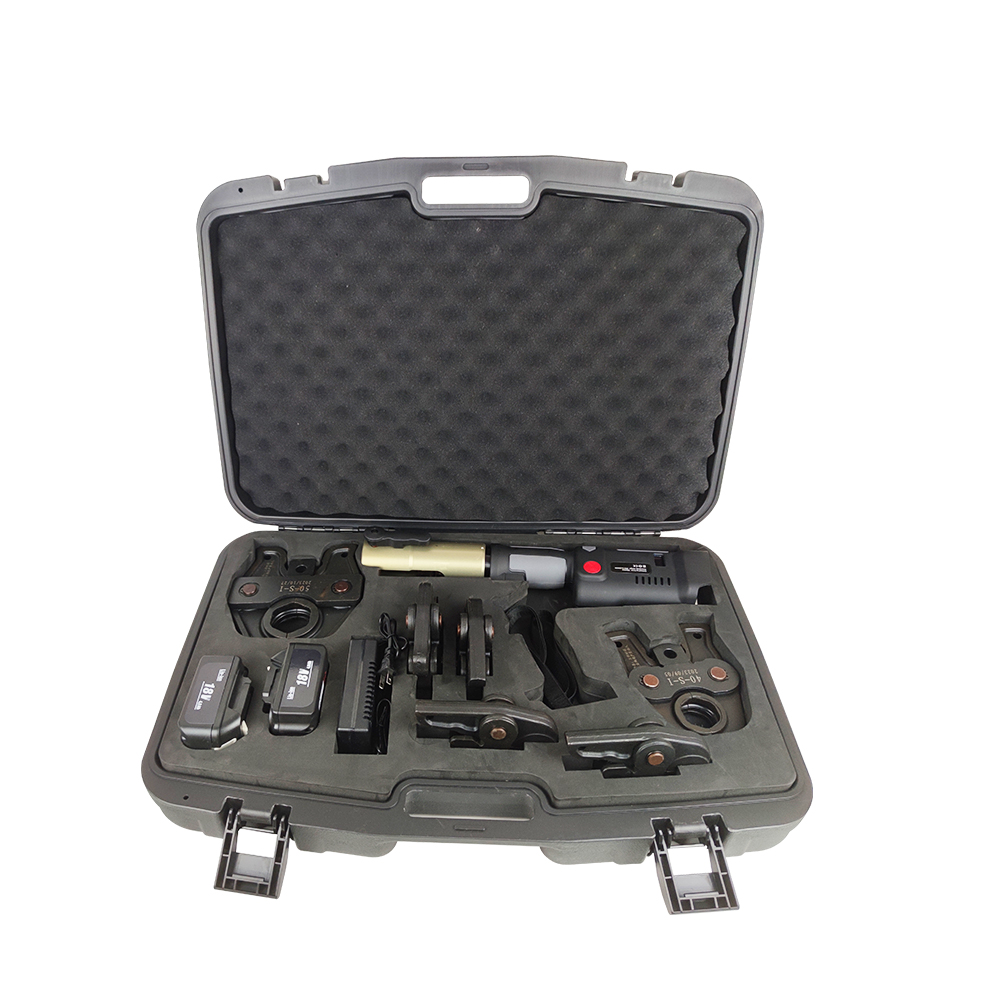
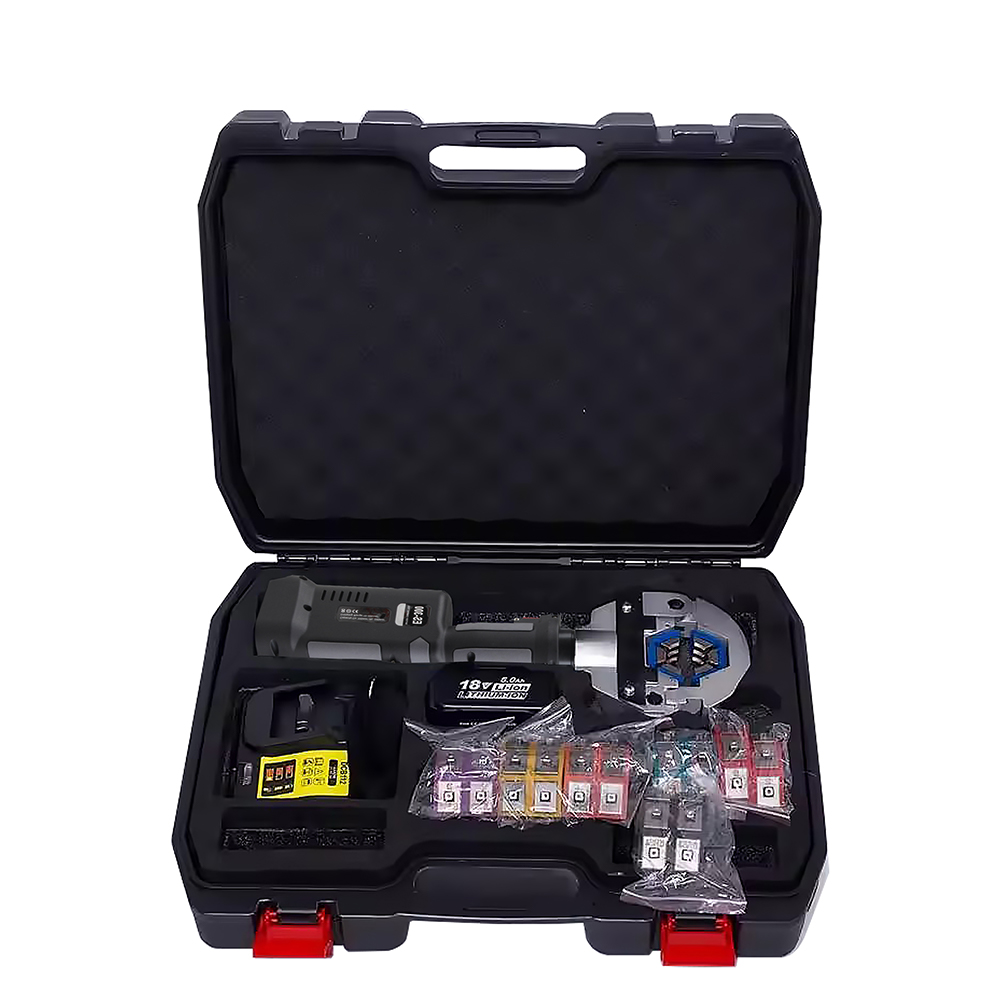
Battery-Powered Press Tools deliver consistent force with minimal physical strain. Press cycles take 3 to 7 seconds. They handle larger diameters—some models go up to 4 inches. The upfront cost is substantially higher, and you're tied to battery charging.
| Feature |
Manual Press Tool |
Battery-Powered Press Tool |
| Physical effort |
High (leverage required) |
Low (hydraulic/electric does the work) |
| Speed per press |
Slower, depends on operator |
3-7 seconds per press |
| Maximum diameter |
Typically up to 1-1/4" |
Up to 4" or more |
| Cost |
Lower upfront |
Higher upfront |
| Best use |
Occasional use, small jobs, tight budgets |
Daily use, large projects, production work |
For a plumber doing multiple joints daily, a battery-powered tool pays for itself in reduced fatigue and faster work. For a homeowner doing one bathroom renovation, a manual tool or even traditional soldering might make more sense.
This is where things get tricky. Press fittings aren't universal. Different manufacturers have their own profiles, and your tool's jaws need to match the fitting brand.
Major fitting systems include Viega ProPress, Elkhart, and Conex. These are widely used in North America. Your press jaws must be the correct profile for the fitting system you're using. Some jaw sets are labeled "V-profile," "M-profile," or "TH-profile" depending on the fitting manufacturer's specifications.
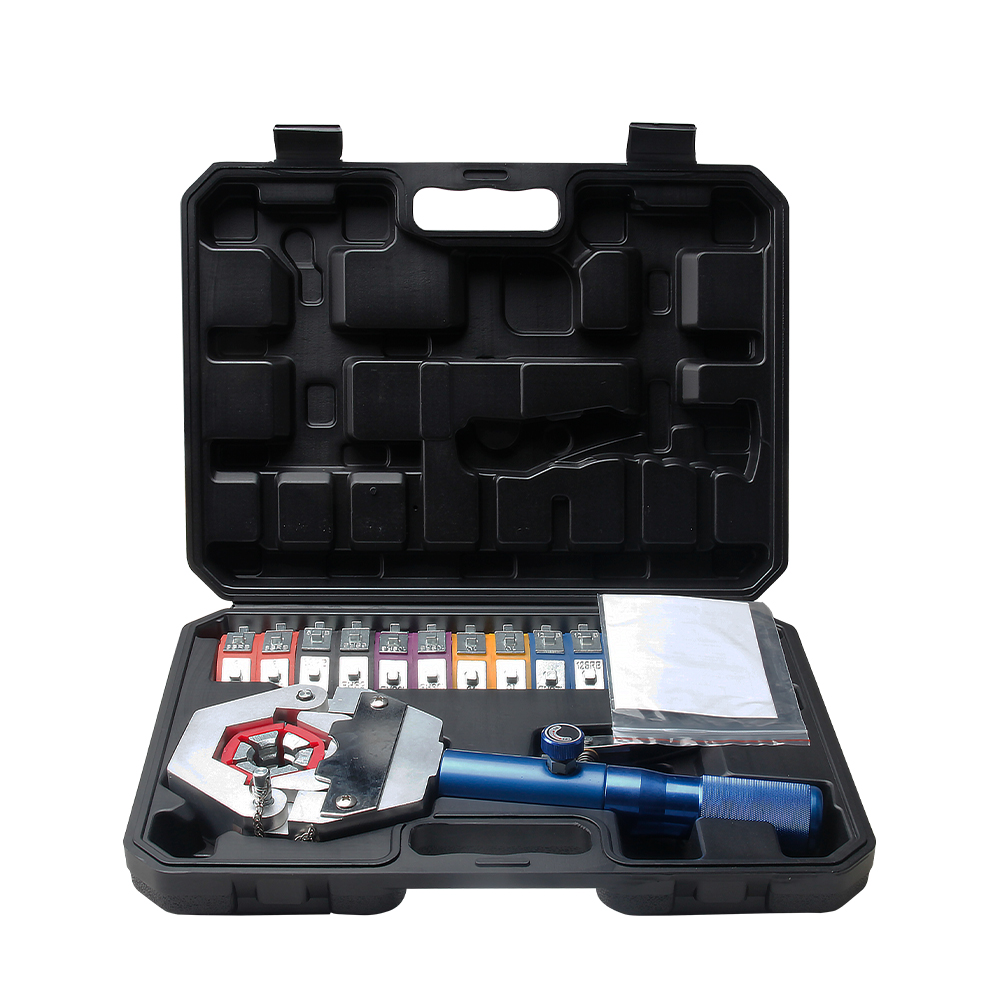
The good news: most reputable press tools accept interchangeable jaws. You buy one power unit and swap jaws as needed for different brands or pipe sizes. For copper fittings, common jaw sizes range from ½ inch to 2 inches, with some systems going larger.
What Materials Can a Plumbing Press Fitting Tool Work With?
A plumbing press fitting tool can work with multiple materials, but only if you have the correct jaw for each material. The tool itself doesn't know the difference—the jaws do the work.
The main categories are:
- Copper tubing: Most common, widely supported.
- Stainless steel pipe: Requires stainless-specific jaws, typically with higher press force.
- PEX and MLCP: Requires PEX/MLCP jaws; these often accommodate 16mm–32mm sizes.
- Carbon steel pipe: Used in gas applications; requires MegaPress-style jaws.
One tool body with multiple jaw sets can handle all of these. That's why professionals often buy a bare tool and invest in a jaw collection.
Regular maintenance keeps a press tool reliable and extends its service life. Fortunately, these tools aren't high-maintenance—but they do need attention.
Daily or before each use :
- Check the press jaws for visible damage, cracks, or wear. If you see defects, don't use the tool.
- Clean pressing contours with compressed air to remove debris and metal shavings.
- Lubricate pins and moving parts with a light spray lubricant. Coating the pressing contour with lubricant helps prevent corrosion and ensures smooth operation.
Periodic service:
- Annual professional service is recommended for most professional-grade tools.
- Some brands have service indicators. For example, a red LED may trigger after a certain number of cycles (often 10,000) indicating it's time for a factory service.
Battery care:
- Remove the battery before cleaning or maintenance—basic safety, but easy to forget.
- Store lithium-ion batteries in a cool, dry place. Don't leave them on the charger indefinitely.
Pressing force varies significantly by tool model, and it's directly related to the diameter and material of the pipe you're pressing.
Smaller, compact tools deliver around 15–19 kN (kilonewtons), suitable for domestic copper and PEX up to about 1 inch. Mid-range tools produce 25–32 kN and handle most residential and light commercial work. Heavy-duty cordless tools can push 32 kN or more, handling stainless steel and pipe up to 2 inches or larger.
Here's a rough guide:
| Tool Class |
Press Force |
Typical Capacity |
| Compact / light-duty |
15–19 kN |
Copper & PEX up to 1" |
| Standard professional |
25–32 kN |
Copper up to 1-1/4", stainless up to 1" |
| Heavy-duty / large diameter |
32+ kN |
Stainless up to 2", carbon steel up to 2" |
Some tools offer higher force for larger diameters—for instance, the RIDGID RP 350 delivers 32 kN (7,200 lbs) and handles up to 2-inch copper and stainless steel. For specialized large-diameter stainless work, specialized tools go even higher.
Before buying, check the manufacturer's spec for the maximum pipe material and size the tool can handle. The press force number alone doesn't tell you everything—it's the combination of force, jaw design, and material compatibility that determines what the tool can actually do.


 English
 Español