Hydraulic Cable Cutters Explained: Care, Buying Tips, and Cutting Limits
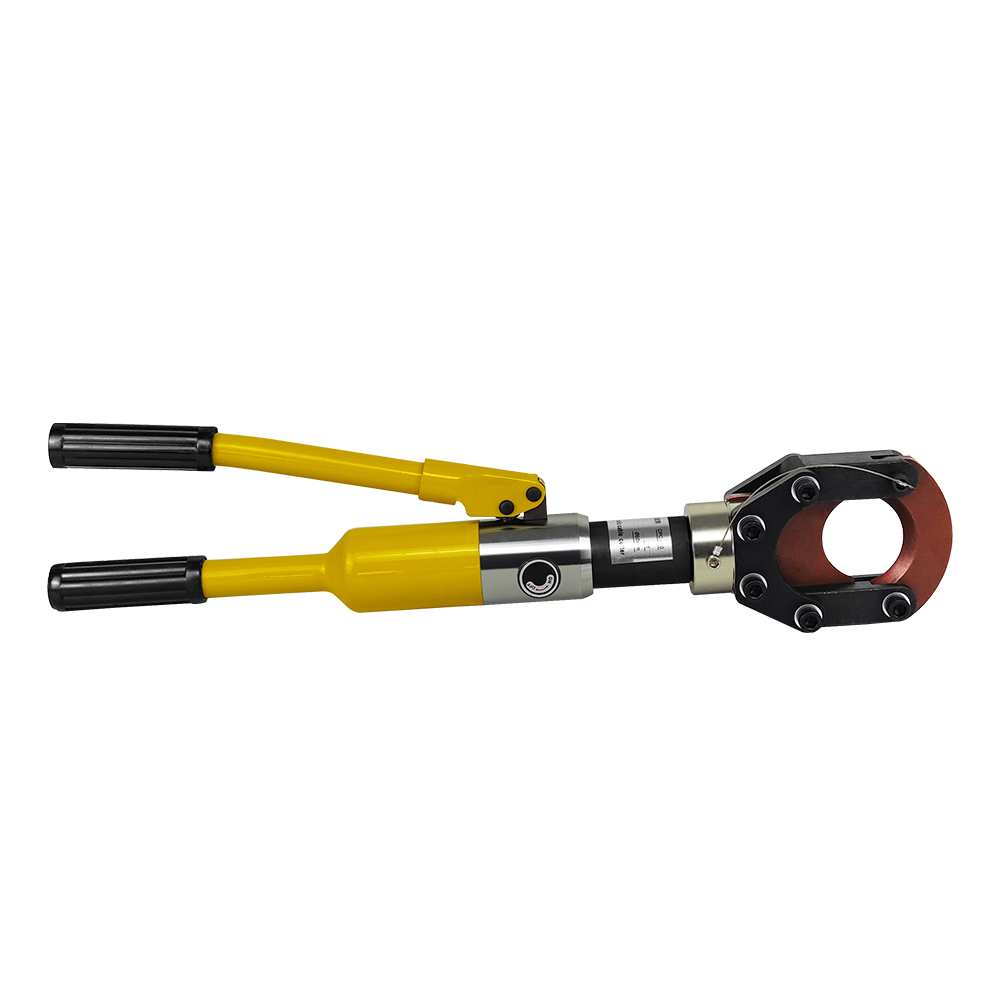
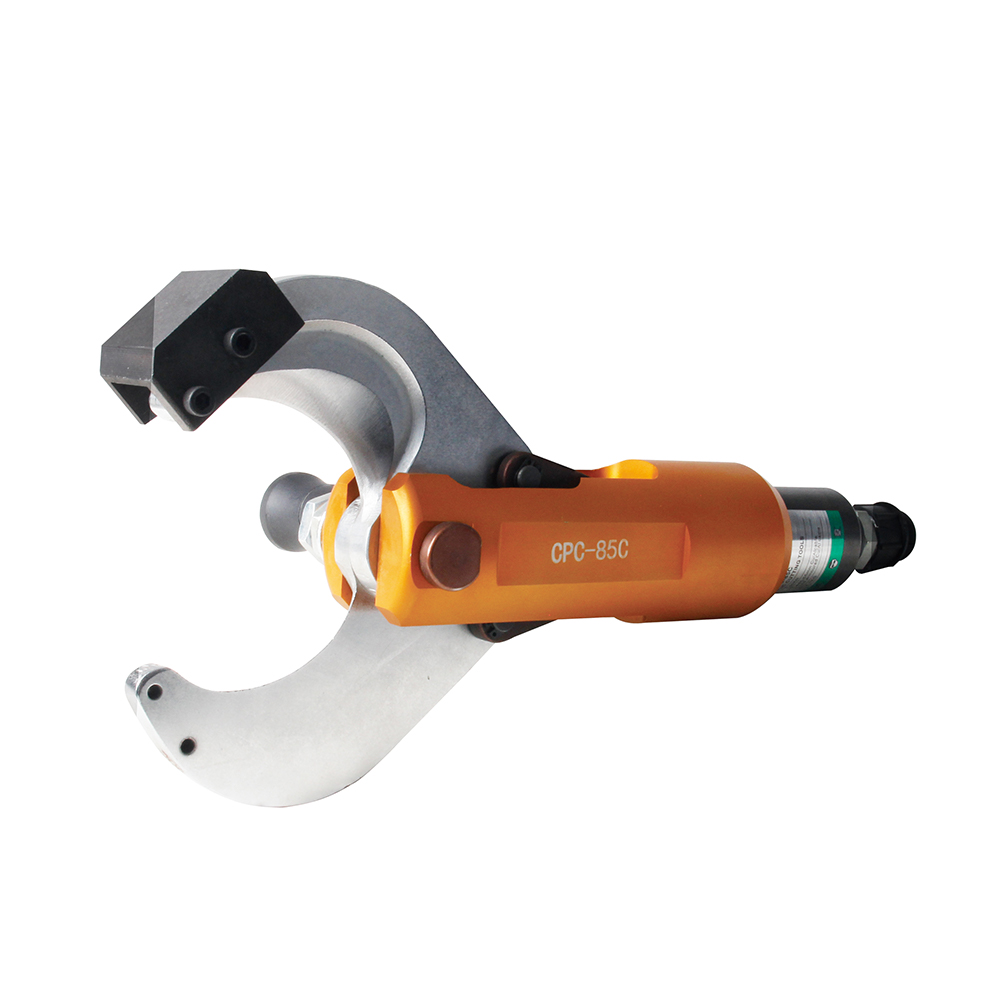
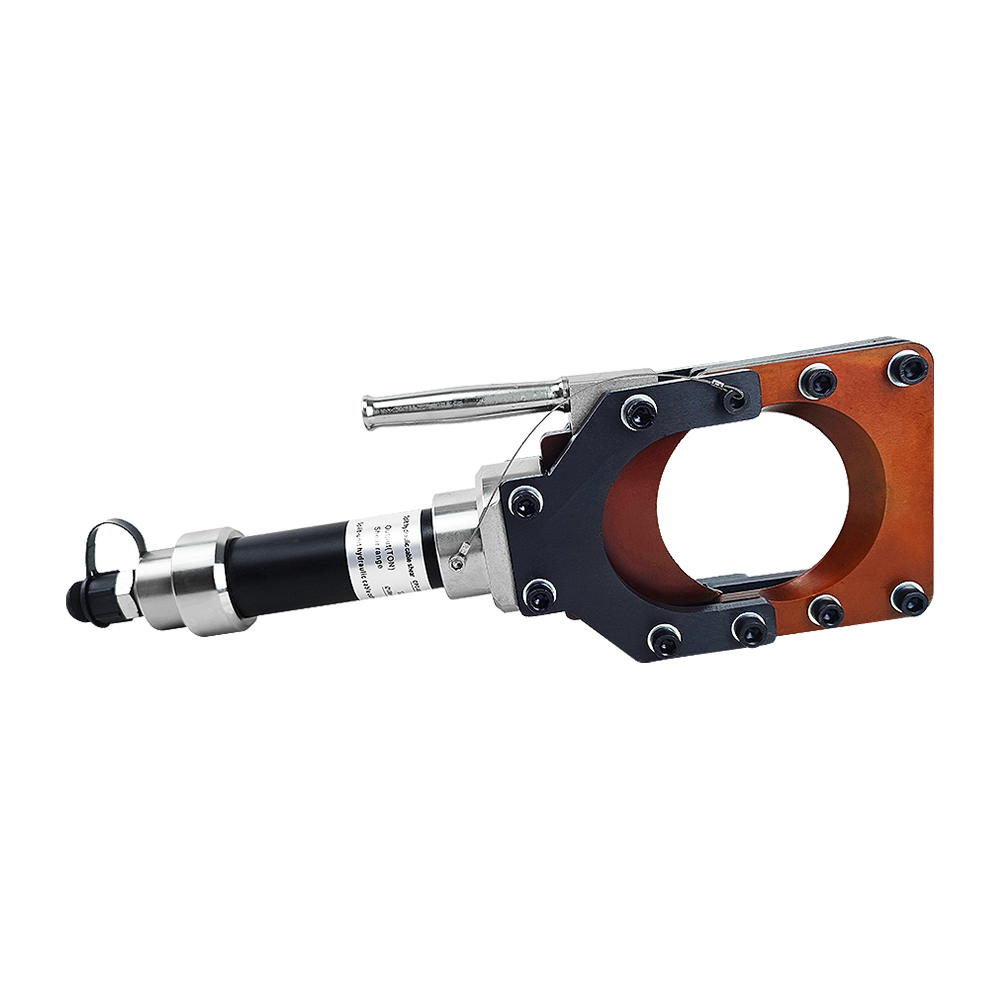
Hydraulic cable cutters are really great for saving your arms from getting tired, on the job. When you are working with copper feeders in a substation or fixing aluminum conductors on a utility pole these tools make it a lot easier to deal with heavy cables. Now let us talk about what you need to know to keep cable cutters working properly how to choose the right one and what they can actually handle.
How Do You Take Care of a Hydraulic Cable Cutter So It Lasts a Time?
Hydraulic cable cutters work hard and it shows after a while.. If you do a few simple things they will keep cutting well for years.
Daily Inspection and Cleaning
You should check the blades of your hydraulic cable cutter every morning before you start work. Look for any damage, edges or anything else that does not look right. When you are done working use a cloth to wipe away the metal dust and dirt that builds up around the part of the cable cutter that does the cutting. This dirt can really hurt the blades of your cable cutter faster than you think it will.
Fluid Management
The hydraulic fluid matters more than most people realize. Low fluid means weak cuts. Dirty fluid means worn seals. Some shops change it out once a year; others go by cut count—roughly 8,000 cycles is a common rule of thumb. Either way, stick with the oil grade the manual calls for. Substitutes cause more trouble than they solve.
Lubrication and Storage
Keep pivot pins and ram surfaces lightly oiled. Not dripping—just enough to stop rust and keep things sliding smoothly. When the tool isn't in use, store it somewhere dry. Battery models? Pop the pack out if it's sitting for weeks. That's it, really. None of this is complicated, but skipping it costs you money down the road.
| Maintenance Task |
Frequency |
Why It Matters |
| Inspect blades for damage |
Daily |
Prevents poor cuts and tool strain |
| Wipe down cutting head |
After each use |
Removes abrasive debris |
| Check hydraulic fluid level |
Weekly |
Maintains full cutting power |
| Replace hydraulic oil |
Annual or 8,000 cuts |
Prevents seal wear and contamination |
| Lubricate pivot points |
Monthly |
Reduces friction and rust |
| Store in dry place |
Always |
Prevents corrosion |
The biggest mistake buyers make? Oversizing for the work they actually do. If you're mostly cutting 50mm copper, you don't need a 125mm beast that wears your arms out by lunch.
Cutting Capacity and Material Compatibility
Start with the cable types you handle daily. Copper and aluminum are standard. Steel-reinforced or armored cable? That's a different conversation—some cutters won't touch them.
| Tool Class |
Max Diameter |
What It's For |
| Compact |
Up to 35-44mm |
Tight spots, control panels, telecom |
| Medium-Duty |
44-75mm |
Plant maintenance, substations |
| Heavy-Duty |
75-125mm |
Transmission lines, big utility work |
Battery Life and Ergonomics
Battery life is about runtime, not just specs. A tool that claims 150 cuts might deliver 80 on heavy cable—actual use varies. Look for packs that charge fast; one or two hours beats waiting half a day. Ergonomics separate good tools from great ones. Balanced weight matters. A head that rotates 350 degrees is a lifesaver when you're crammed into a manhole.
Safety Features
If you work near live gear, insulated handles and trigger locks aren't optional. Automatic pressure release prevents overloading. Remote operation capability is worth considering for underground vault work.
Portability and Freedom
Simple answer: because you can't always drag a cord or a compressor to where the work is. Cordless cutters go up on ladders, down in trenches, out to remote pole lines. You grab the tool and go. No hunting for an outlet. No tripping over hoses. That kind of freedom changes how you schedule a day.
Reduced Operator Fatigue
They also save your hands. Manual cutters on 4/0 cable are a workout—not in a good way. Hydraulic does the pushing; you just aim and squeeze. Workers get less tired, and tired workers make mistakes.
Cleaner Cuts and Better Terminations
The cuts themselves come out cleaner, too. Hydraulic pressure doesn't waver the way hand force does. Clean cable ends mean better terminations, fewer callbacks, and less waste.
Safety in Confined Spaces
In tight quarters, the cordless setup is safer. No cable to snag. No air hose to whip around. Some newer models even let you trigger them from a short distance when you're dealing with underground vaults—worth considering if that's your world.
What Is the Maximum Copper Cable Size a Hydraulic Cutter Can Cut?
There's no single answer—it depends entirely on the class of tool you're looking at.
Compact and Medium-Duty Cutters
Smaller units top out around 35mm. That covers most panel work, lighting feeders, and telecom bundles. Step up to a mid-range cutter and you're looking at 50 to 75mm. That handles the bulk of industrial and commercial electrical work.
Heavy-Duty and Extra-Heavy Cutters
For serious transmission jobs, heavy-duty hydraulic cutters push to 95mm. A few top-end models go all the way to 125mm in copper and aluminum. That's big enough for most high-voltage feeders you'll ever run into.
| Class |
Max Cut (Copper/Aluminum) |
Who Buys It |
| Compact |
Up to 35mm |
Panel builders, telecom crews |
| Mid-range |
50-75mm |
Plant electricians, contractors |
| Heavy |
95mm |
Utility crews, renewable energy sites |
| Extra-heavy |
125mm |
Transmission line work |
Important Caveat
Just watch the fine print. That max diameter usually assumes copper or aluminum conductors. Steel armor, wire-reinforced cable, or solid steel strands? Those numbers drop. Always check against what you actually cut before you commit.


 English
 Español