How to Use a Ratchet Cable Cutter Safely: A Step-by-Step Guide
Ratchet cable cutters are a shop-floor favorite for good reason. They turn what used to be an arm-wrestling match with thick copper into a few easy squeezes. But they're not magic—and they're not forgiving of carelessness. Here's what you actually need to know to use one safely and keep it working for years.
1. Before You Even Pick It Up
Here's the one rule that trumps everything else: treat every cable as if it's live until you prove otherwise. Non-insulated ratchet cutters have exposed metal parts. Put one of those on a hot circuit, and you're looking at arc flash, burns, or worse.
Lockout/tagout isn't paperwork—it's what keeps you upright. Verify the circuit is dead with a tester you trust. If you can't confirm it, walk away and grab an insulated tool. No cable is worth the gamble.
2. A Quick Once-Over Before Cutting
Take ten seconds and look at the tool. Seriously—just look at it.
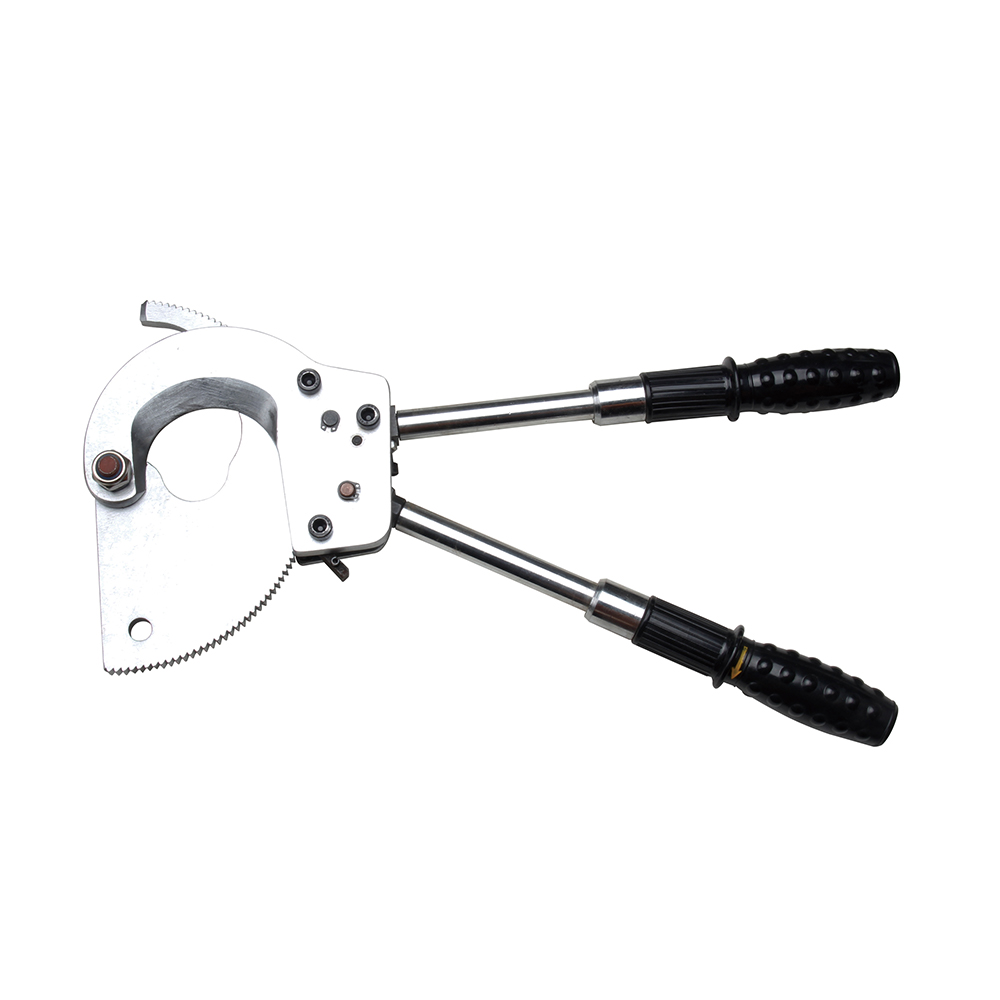
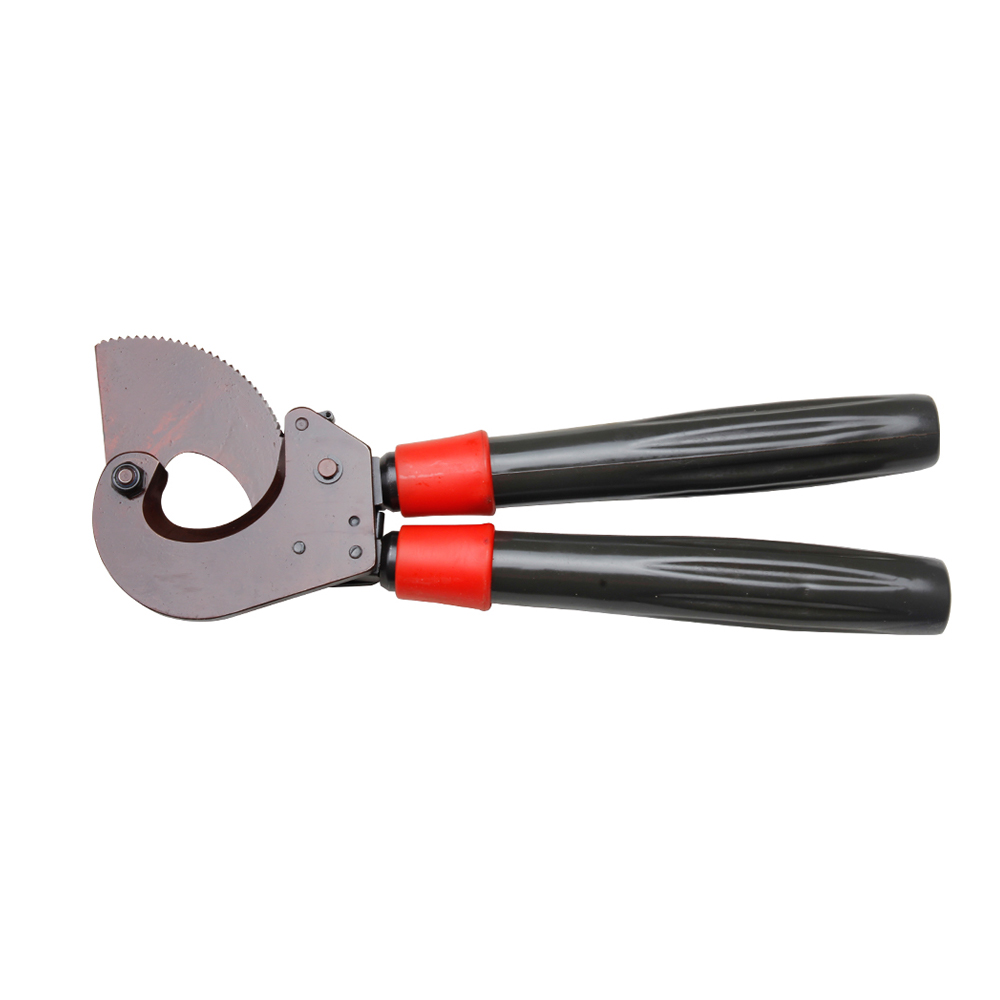
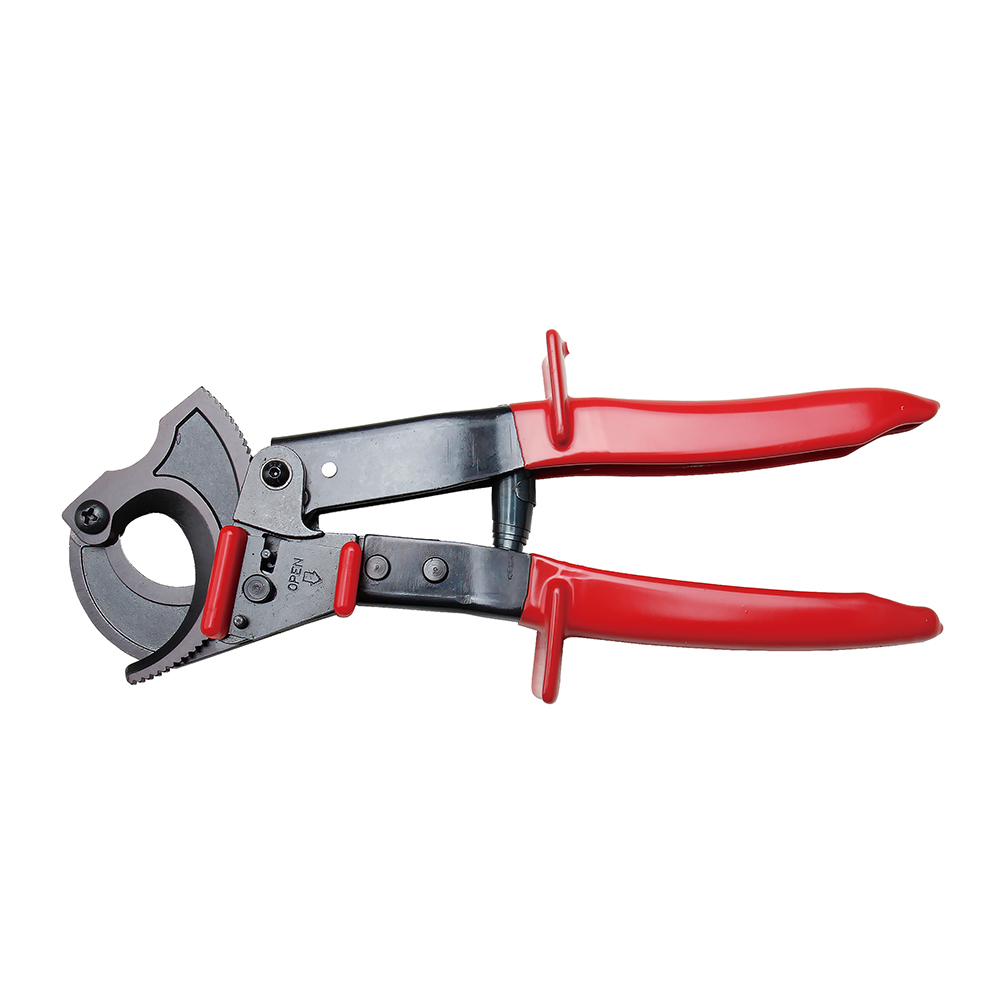
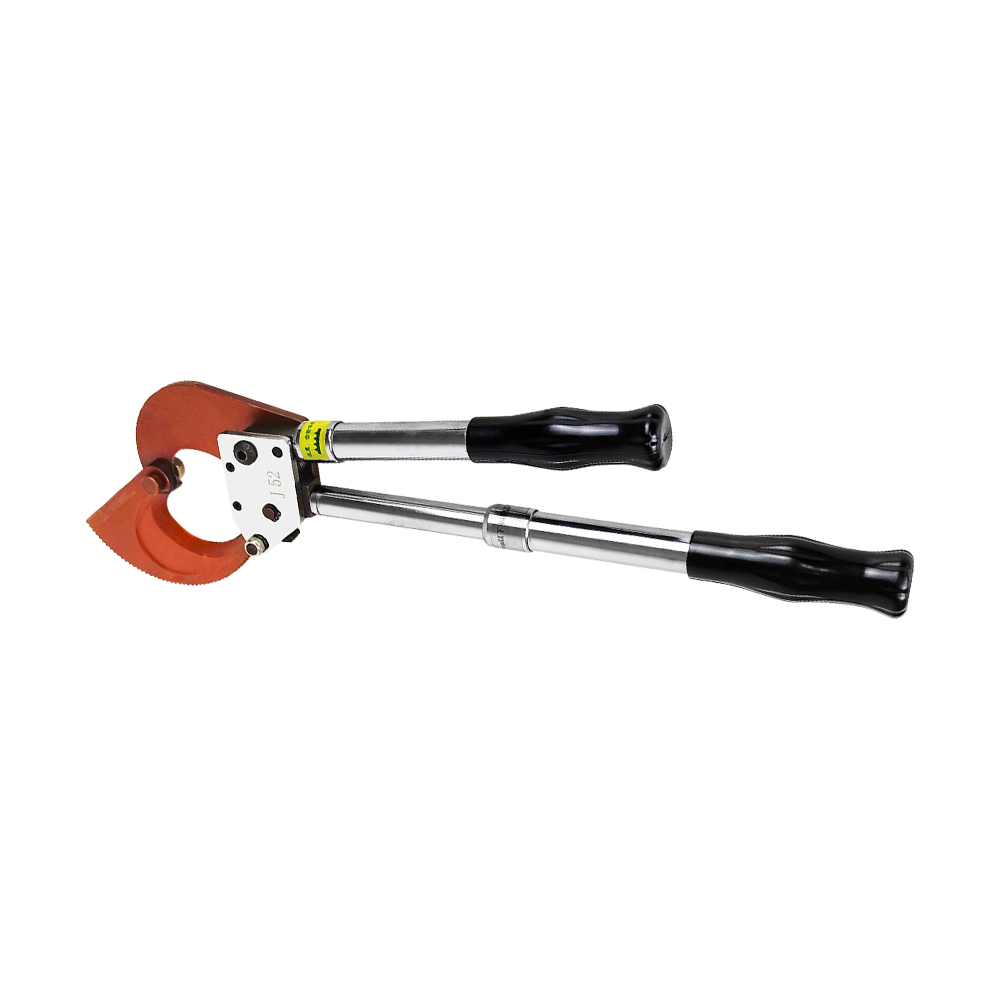
The blades should be clean, sharp, and free of chips or gouges. The ratchet should click through its motion without sticking. If you see rust, cracked handles, or a bent jaw, that tool is done until it gets repaired or replaced. Don't be the guy who tries to "make it work."
Some models need a handle extension or a lock released before they're ready. Check the manual if you're not sure—every model has its own little quirk.
3. The Right Way to Make the Cut
Once you've got a dead cable and a good tool, here's the actual cutting process:
- Set the cable deep in the jaws. Shove it all the way back against the fixed blade. If it's sitting near the tip, you're asking for a bad cut or a slipped cable.
- Engage the ratchet. Close the jaws until they just touch the insulation. On some cutters, you'll hear a click when the pawl catches. That's your signal that you're locked in.
- Pump, don't force. Squeeze the handles until you hear the ratchet advance. Then open them fully and squeeze again. Each pump drives the blade a little deeper. Keep going until the cable drops. This isn't a one-and-done squeeze—it's a rhythm.
- If it jams, stop forcing it. Ratchet cutters have a release lever for exactly this situation. Find it, flip it, and the jaws open. Trying to muscle through a stuck cut is how you break teeth or send a blade flying.
4. What This Tool Can (and Cannot) Handle
Know the limits before you start. Here's a quick reference:
| Safe to Cut |
Keep It Away From |
| Copper cable (stranded or solid) |
Live wires—ever, period |
| Aluminum cable |
Steel cable or wire rope |
| Communication cables (up to spec) |
ACSR—the steel core will shatter blades |
| Anything within the tool's rated diameter |
Anything bigger than the tool's max rating |
Check your tool's specs. Most have the max cable diameter stamped right on the jaw. Respect that number. Exceeding it doesn't just wear the tool—it can snap the ratchet teeth mid-cut.
5. Keeping It Alive: Basic Maintenance
These tools are built to last. They still need some care. Here is what you need to do:
Wipe the tool down after you finish using it. If you do not the copper shavings and grit will get into the ratchet. Cause problems. It only takes a couple of seconds to wipe it down with a rag and this will save you a lot of trouble.
Put oil on the parts that move. You should put a drop of light machine oil on the hinge of the blade and the ratchet. This will keep everything working. Do not put much oil you just need enough to keep the metal parts from getting stuck.
Store the tool in a dry place. Water is bad for the tool. If you leave it in a toolbox or, in the back of a truck overnight it will get rusty. Rust will stop the ratchet from working. Make the blades dull. All you need to do is wipe the tool down and put it in a place.
| Maintenance Task |
How Often |
Why Bother |
| Wipe clean with dry cloth |
After each use |
Keeps grit out of the ratchet |
| Lubricate pivot points |
Weekly or as needed |
Reduces wear and cutting effort |
| Inspect blades for nicks |
Before each use |
Prevents bad cuts and tool damage |
| Store in dry location |
Always |
Prevents rust and corrosion |
| Check quick-release function |
Monthly |
Ensures you can abort a stuck cut |


 English
 Español