Hydraulic Jacks in Industry: Understanding Load Capacity, Cylinder Action Types, and Hollow Plunger Function
Hydraulic cylinder jacks are used where heavy items need to be moved. You see them in shops on construction sites and in plants.. Many people still do not understand the basics of hydraulic cylinder jacks. They want to know how the lifting capacity of cylinder jacks works why one hydraulic cylinder jack goes back down differently than another hydraulic cylinder jack or if a hollow plunger on a hydraulic cylinder jack can really pull things. Here is some useful information that answers four questions about hydraulic cylinder jacks.
What Factors Determine the Lifting Capacity of a Hydraulic Cylinder Jack?
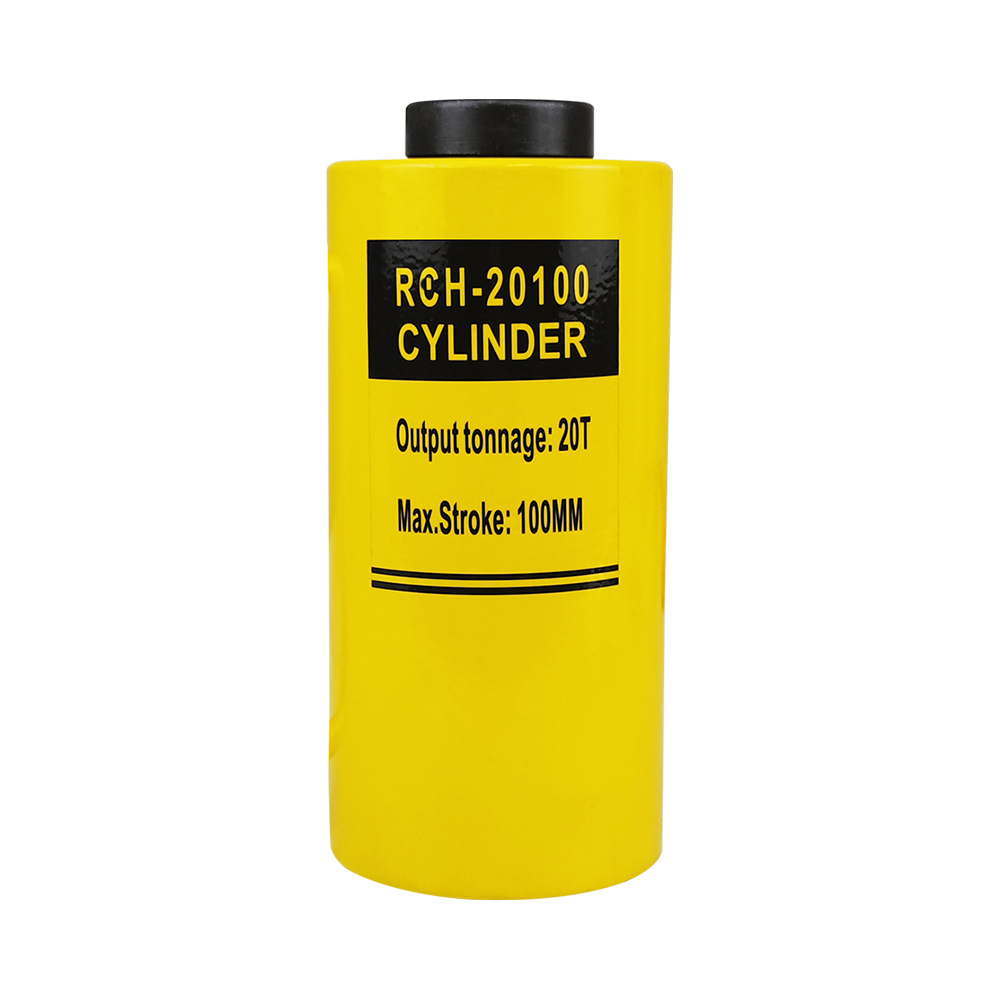
The lifting capacity of a hydraulic cylinder jack is not a number that is put on the side of the hydraulic cylinder jack. It is based on important things about the physical world and how hydraulic cylinder jacks work.
The Hydraulic Advantage
Pascal's Law drives the whole thing. Push a small piston, that pressure travels through the fluid and pushes on a bigger piston. The area difference between those two pistons gives you mechanical advantage—sometimes over 250 to 1. That's why a few pounds of pump effort can lift a car.
What Actually Affects Capacity:
- Piston size: More cylinder area relative to pump area means more force. This is the main design variable.
- System pressure: Most industrial gear runs at 10,000 psi. Higher pressure boosts capacity, but everything has to be built to take it.
- Tilt angle: Jacks aren't always perfectly vertical. As they extend, the angle changes, and some of that force goes sideways instead of up. Stay under 50 degrees tilt for safe operation.
- Material strength: Cylinder walls, seals, and rods all have limits. Rated capacity assumes the structure can handle the load without bending or leaking.
- Side loads: If the load isn't centered, bearings and wear bands have to manage that sideways force. Too much side load binds the piston and wears things out fast.
The rated capacity assumes ideal conditions—straight up, centered load, no surprises. Push past that and you're asking for trouble.
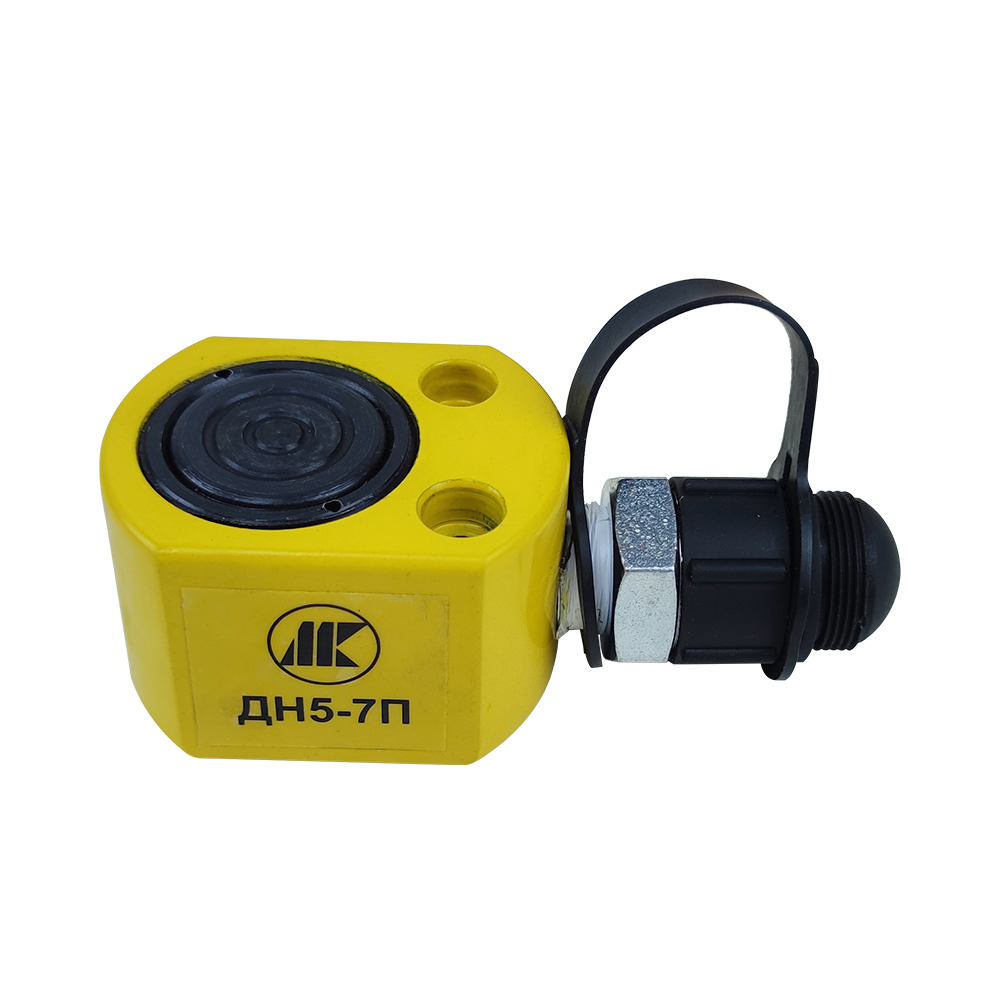
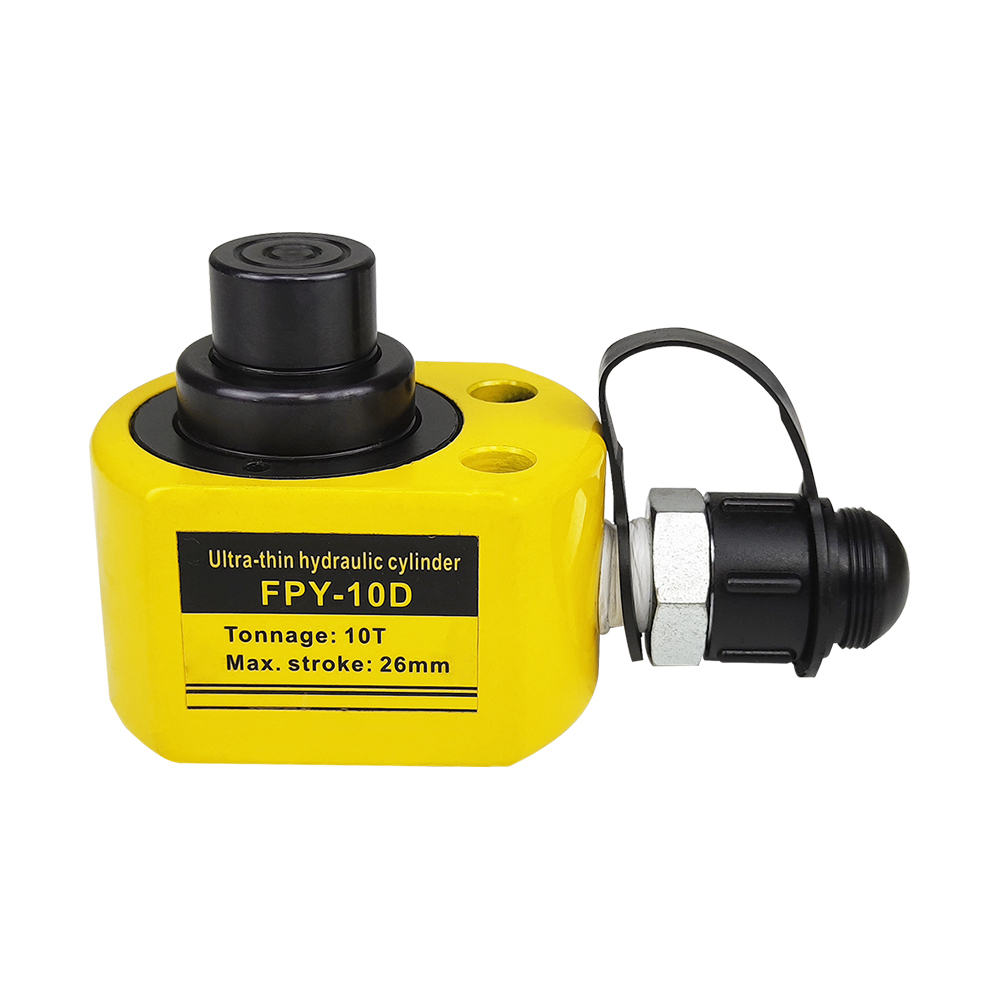
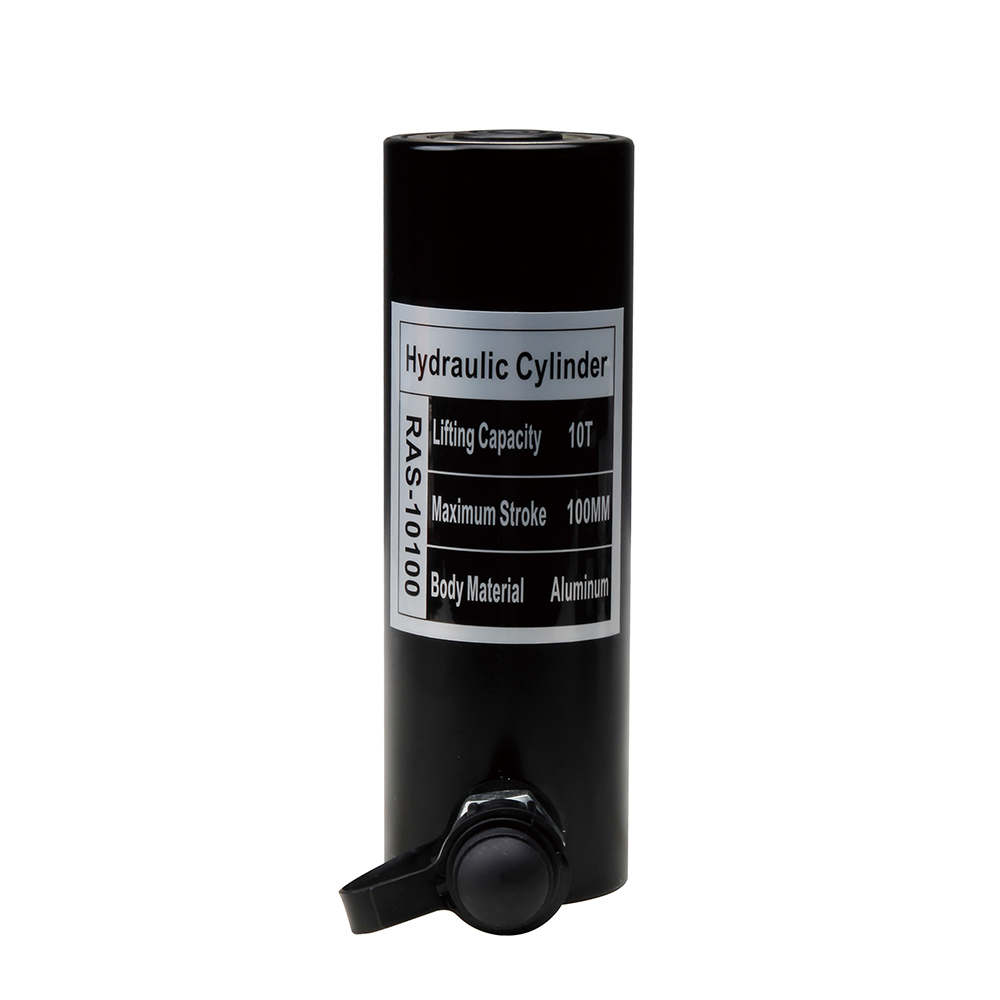
Single-acting cylinders only take fluid on one side—usually the bottom. Pressure pushes the plunger out. Retraction is a different story.
When you release the pressure, the oil flows back to the reservoir. But the plunger doesn't automatically go back in. Something has to move it.
Common Retraction Methods:
| Method |
How It Works |
Where You See It |
| Spring return |
A coil spring inside shoves the piston back when pressure drops. |
Most portable jacks, bottle jacks, shop presses |
| Gravity return |
The load's own weight pushes the plunger down. |
Vehicle lifts, vertical applications |
| Load return |
External force (not necessarily full load) pushes it back. |
Big industrial cylinders without springs |
Spring-return jacks are the easiest to use—they snap back on their own, which speeds up repeated work. But that spring also fights the extension a little, so you lose a small amount of lifting force.
Watch out: If a jack relies on gravity or load return and there's no weight on it, it won't go all the way down. You'll have to push it back manually.
This choice affects what you can do with the jack and what it costs.
Single-Acting
Fluid goes in one port. The plunger extends under pressure and retracts passively.
- Best for: Lifting, jacking, pressing. Bottle jacks and most floor jacks are single-acting.
- Pros: Simple, light, fewer seals to leak, costs less.
- Cons: Can't pull, can't retract under power.
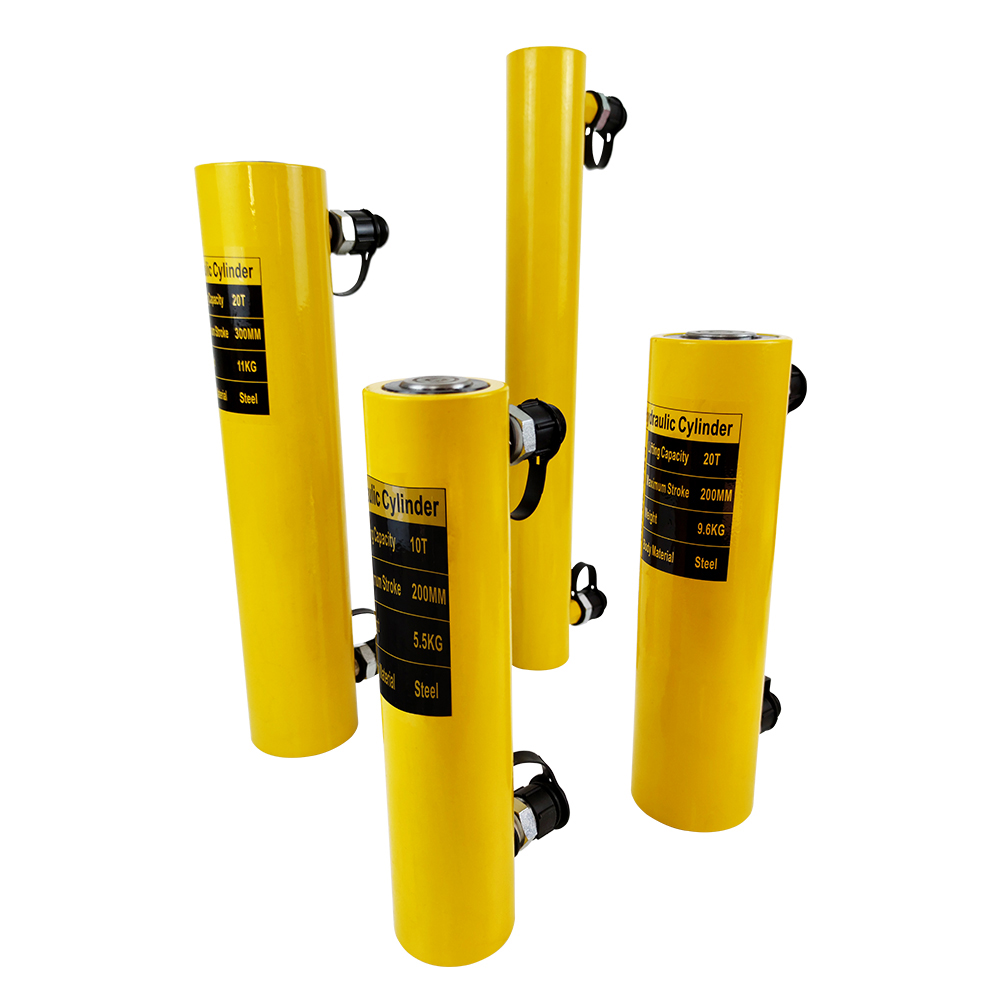
Double-Acting
Fluid goes in two ports—one to extend, one to retract. The pump has to run both ways.
- Best for: Heavy construction, bridge work, any job where you need powered retraction.
- Pros: Full control in and out, can push and pull, faster cycling.
- Cons: More parts, more cost, needs a pump with two ports.
| Feature |
Single-Acting |
Double-Acting |
| Ports |
One |
Two |
| Retraction |
Spring, gravity, or load |
Hydraulic pressure |
| Can it pull? |
Usually not |
Yes |
| Complexity |
Simple |
More involved |
| Typical cost |
Lower |
Higher |
If you're just lifting things, single-acting does the job. If you need to hold position under power or pull as well as push, go double-acting.
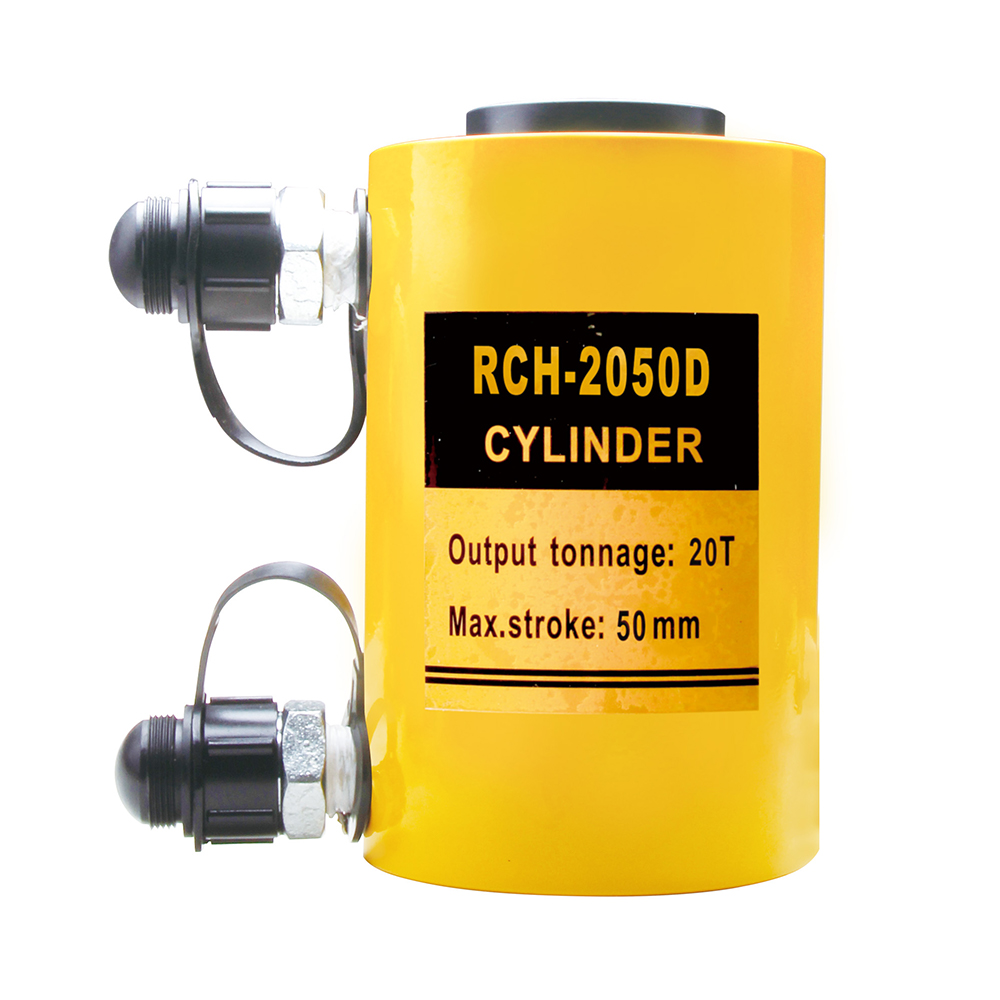
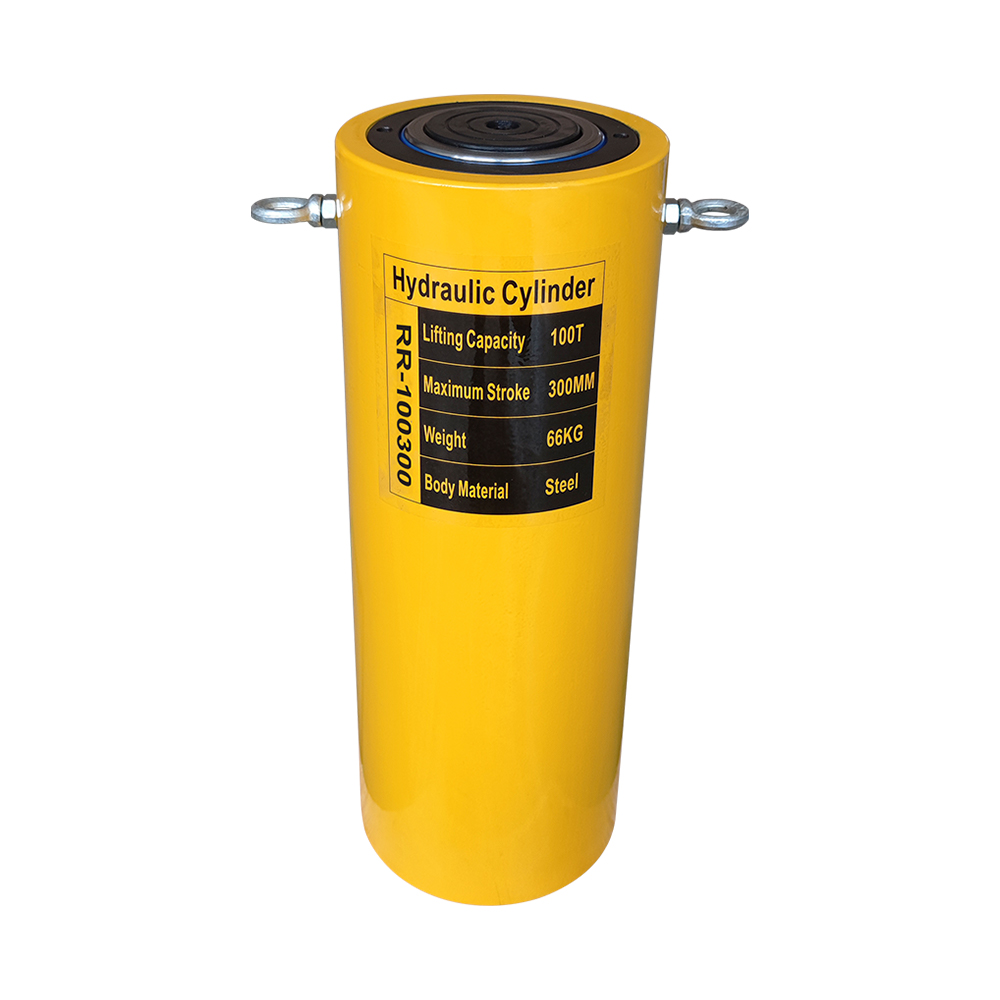
Yes—that's exactly what they're made for. Hollow plungers have a hole straight through the middle. That hole lets you run a rod, cable, or bolt right through the piston.
Pushing with a hollow plunger works just like any other jack. Pressure extends the plunger, and it pushes against whatever's in front of it.
Pulling with a hollow plunger uses that center hole. You pass a threaded rod through, attach it to the workpiece (like a bearing or gear), and when the plunger extends, it pulls the workpiece toward the cylinder. It's a controlled, powerful pull in a compact package.
Common uses:
- Pulling bearings and gears off shafts
- Tensioning rebar or anchor bolts
- Pulling pipes together for welding
- Stretching fasteners for torque testing
Here's the catch: A single-acting hollow plunger with spring return can still pull—the pulling happens during the extension stroke. The spring just resets it afterward. If you need to pull and then release under full control, you want a double-acting hollow plunger. That gives you powered retraction as well.


 English
 Español