How to Choose a Hydraulic Toe Jack: Key Factors for Safe and Efficient Lifting
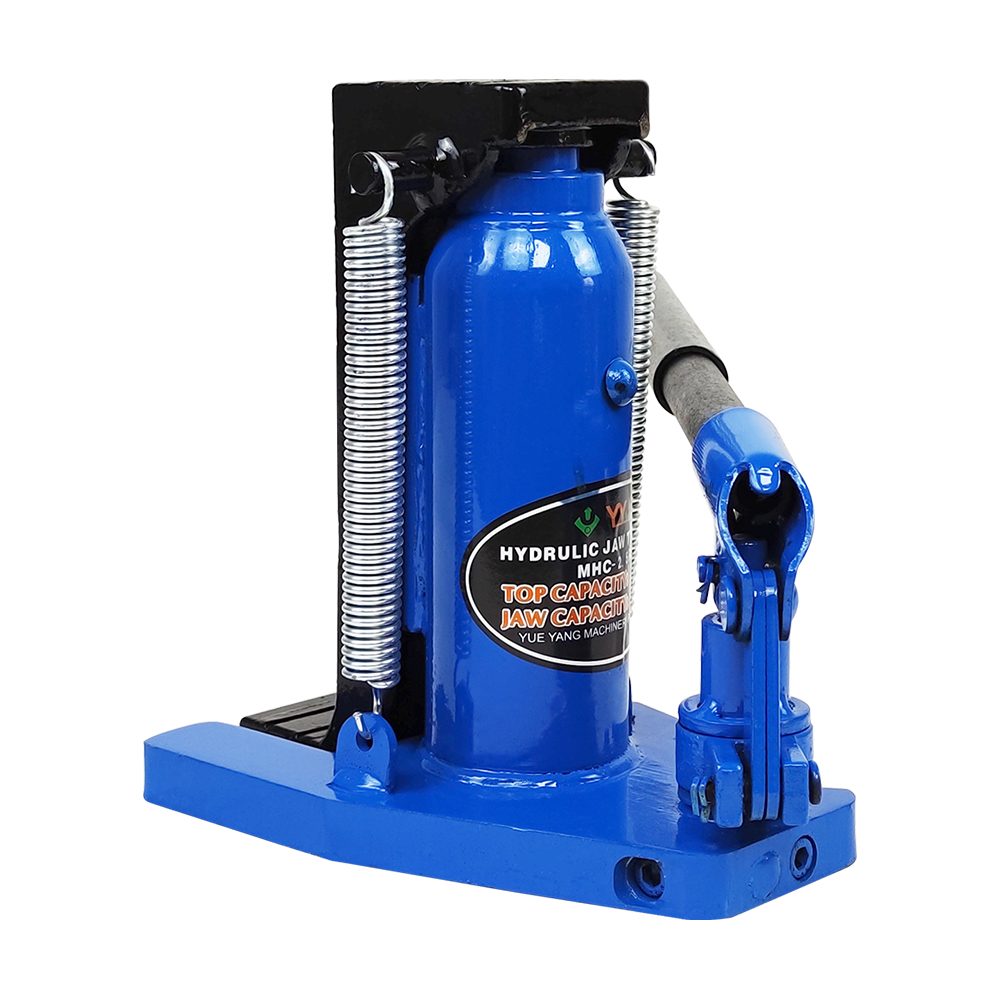
A hydraulic toe jack is a specialized lifting tool designed to slide under heavy machinery with minimal ground clearance and raise it safely and precisely. Unlike a bottle jack, which lifts vertically, a toe jack uses a low-profile horizontal "toe" to access loads that sit close to the floor. Selecting the right model involves more than just picking a tonnage rating—you need to evaluate capacity, clearance, lifting height, build quality, and safety features. This guide breaks down the essential considerations.
1. Start with the Load: Capacity and Clearance
The two most critical dimensions for any lifting job are the weight of the load and the gap between it and the floor. Get either wrong, and the tool is either unsafe or useless.
Capacity: Match the Rating to the Real Load
Toe jacks typically have two different capacity ratings: one for lifting with the toe and a higher one for lifting with the top head. Always check the toe capacity, as this is the primary lifting point for low-clearance work.
- Toe capacity ratings range from 2.5 tons (5,000 lbs) to over 25 tons for heavy industrial use.
- Rule of thumb: Choose a jack with at least 20% more capacity than your heaviest expected load to provide a safety buffer.
- Capacity example: A jack with a 5-ton toe capacity typically has a 10-ton head capacity.
Minimum Toe Height and Clearance
This is the most common deal-breaker. The "minimum toe height" is the distance from the floor to the top of the toe when the jack is fully lowered. It must be lower than the gap under your load.
| Model Type |
Min. Toe Height |
Toe Capacity |
Typical Use |
| Compact / Light-Duty |
As low as 16–18 mm (0.6–0.7 in) |
2–2.5 tons |
Small machines, repair shops -- |
| Standard Industrial |
22–32 mm (0.9–1.3 in) |
5–10 tons |
CNC machines, presses, shipyard work -- |
| Heavy-Duty |
Up to 32 mm (1.3 in) |
15+ tons |
Large presses, turbines, heavy rigging |
If the toe doesn't physically fit under the equipment, the jack's tonnage rating doesn't matter.
2. Evaluate Lifting Height and Stroke
The "stroke" is the distance the toe or head can travel upward. The "maximum lifting height" is the sum of the minimum height plus the stroke.
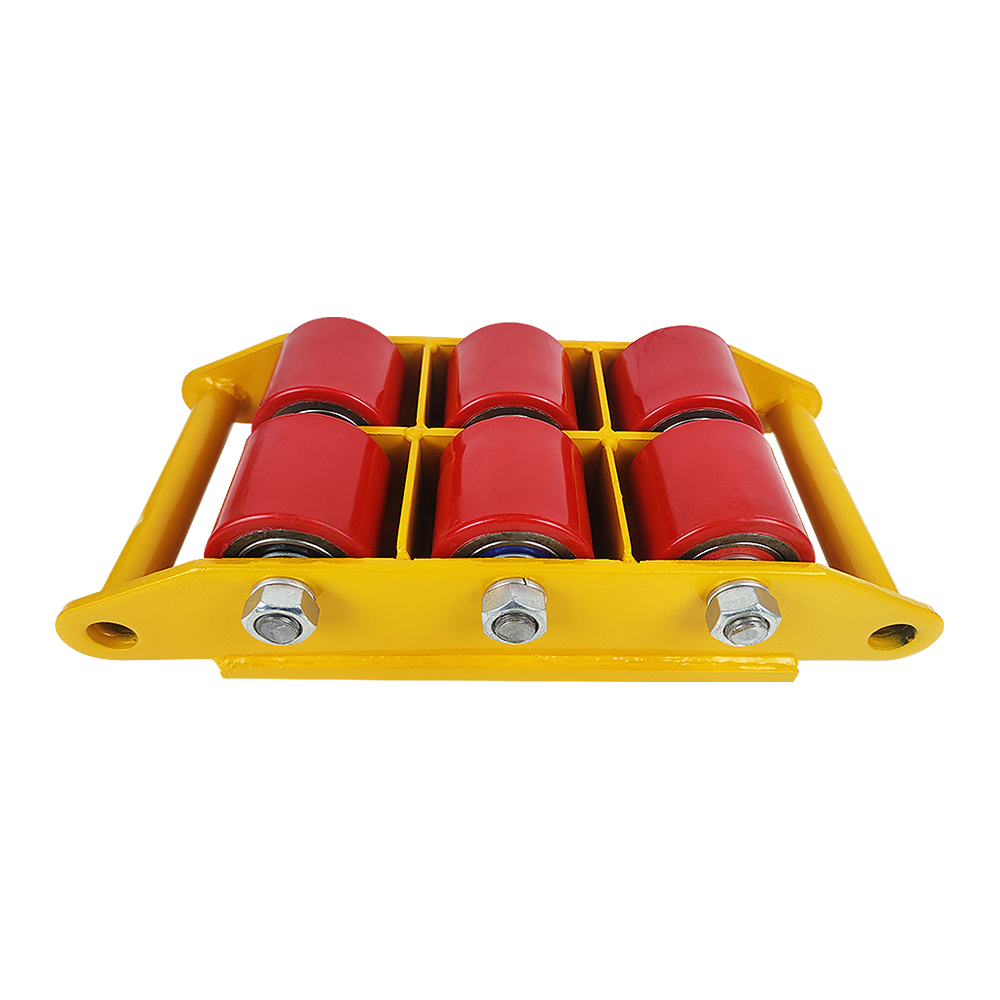
- Short lifts (4–5 inches): Often sufficient for sliding machinery skates or dollies underneath.
- Medium lifts (5–6 inches): Good for routine maintenance, allowing workers to access equipment undersides.
- Higher lifts (6–8+ inches): Needed for leveling equipment on uneven floors or significant repositioning.
3. Assess Build Quality and Key Features
Heavy industrial environments demand durable construction. Look for jacks that can withstand years of hard use.
- Core materials: High-quality carbon steel bases, hardened and chrome-plated rams to resist corrosion, and electrically welded construction to prevent leaks.
- Dual lifting points: Many toe jacks feature both a toe for low-clearance work and a top head for when you have more vertical space. The head capacity is often double the toe capacity.
- Portability: Built-in carrying handles or integrated wheels make moving the jack around a large facility much easier.
- Handle design: A 360° rotating pump handle socket lets you operate the jack from any position, which is invaluable in tight or cluttered workspaces.
4. Prioritize Non-Negotiable Safety Features
Lifting tons of steel is inherently risky. Any jack you consider must have robust safety mechanisms to protect operators and equipment.
- Overload protection valve: This safety feature prevents the jack from lifting a load that exceeds its rated capacity, reducing the risk of structural failure or accidents.
- Spring-assisted return and over-travel protection: Ensures the ram retracts smoothly when the release valve is opened and prevents damage from over-extension.
- Stability: Wide base plates and non-slip feet help keep the jack stable on the shop floor or in the field.


 English
 Español