The Essential Guide to Battery Cable Crimping Tools
Battery cable crimping tools are really important for people who work with electrical systems. This includes people who work in car shops and people who install panels. Battery cable crimping tools help make connections that can withstand a lot of movement, temperature changes and high power usage. This guide will answer six questions to help you pick the right battery cable crimping tool and keep it working well.
What Size Battery Cable Crimping Tool Do I Need for 1/0, 2/0 and 4/0 AWG Battery Cables?
Big battery cables need a lot of force to connect them properly. You cannot use crimpers for 1/0, 2/0 or 4/0 AWG battery cables. You need to use a hydraulic battery cable crimping tool.
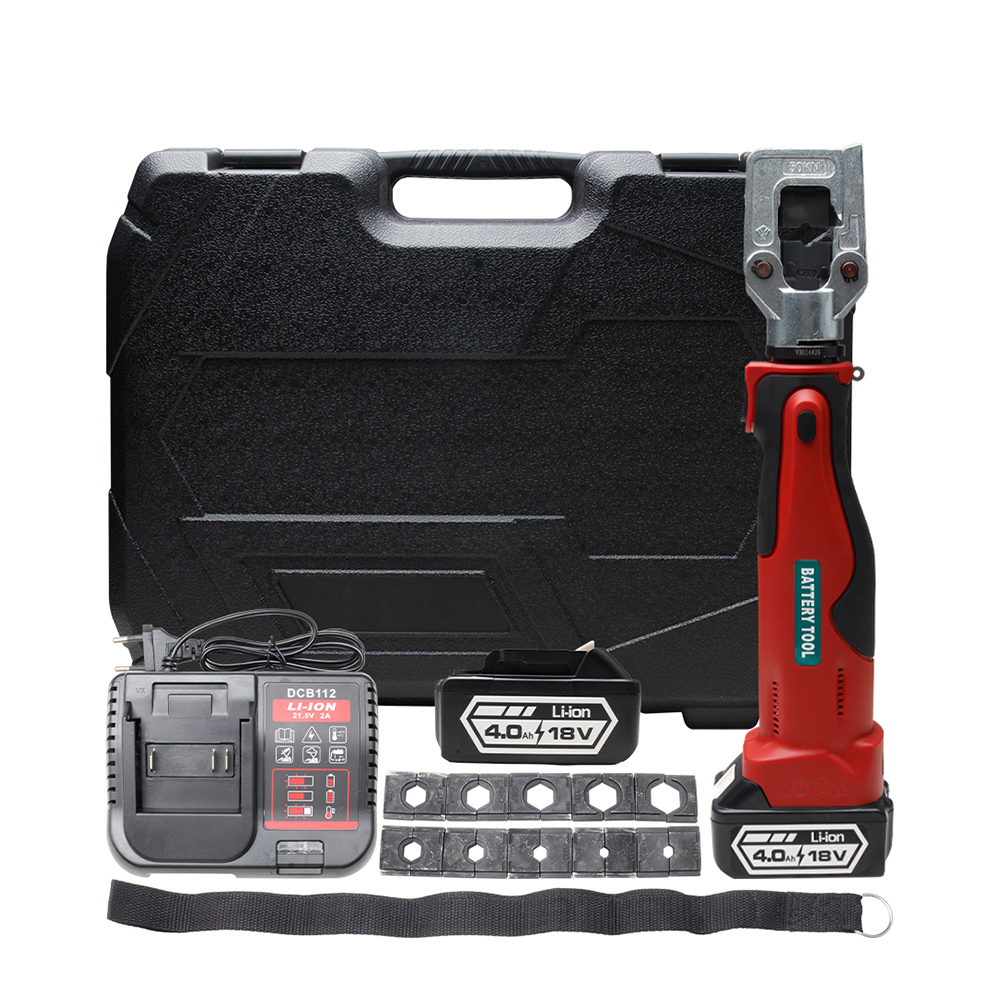
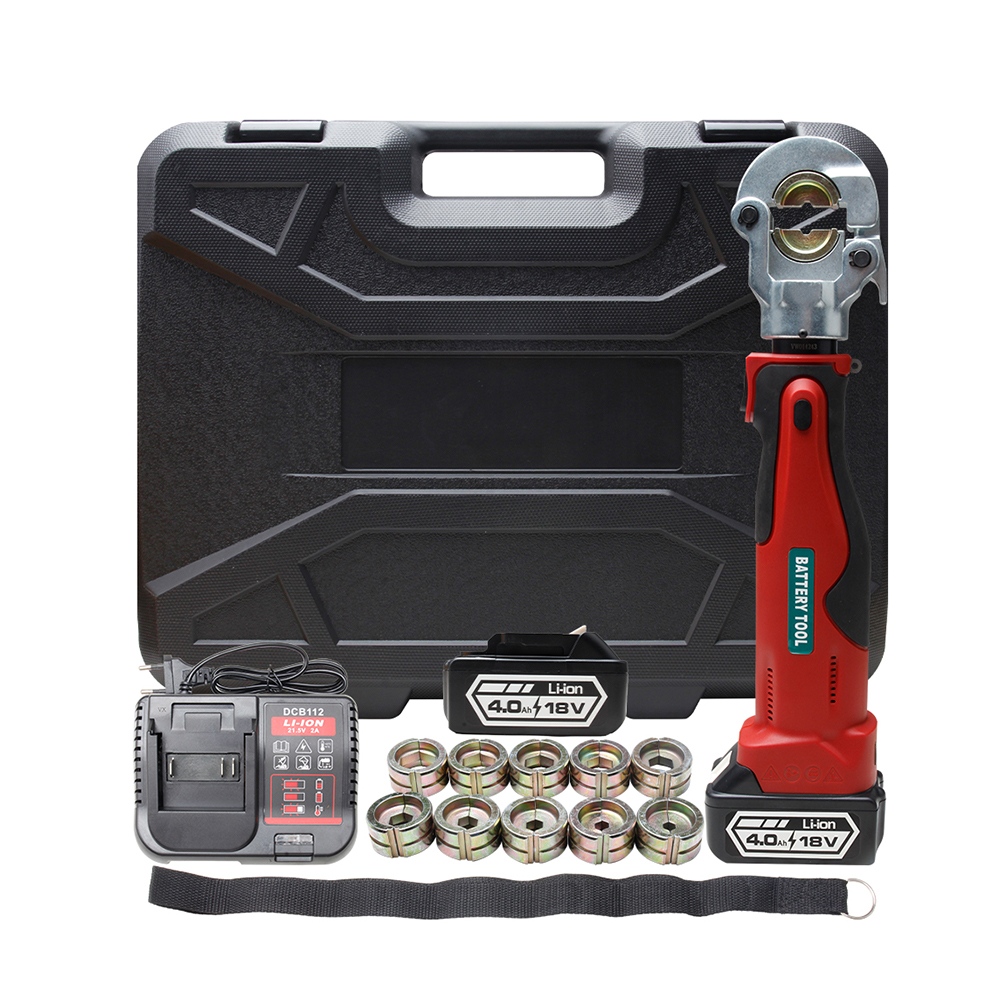
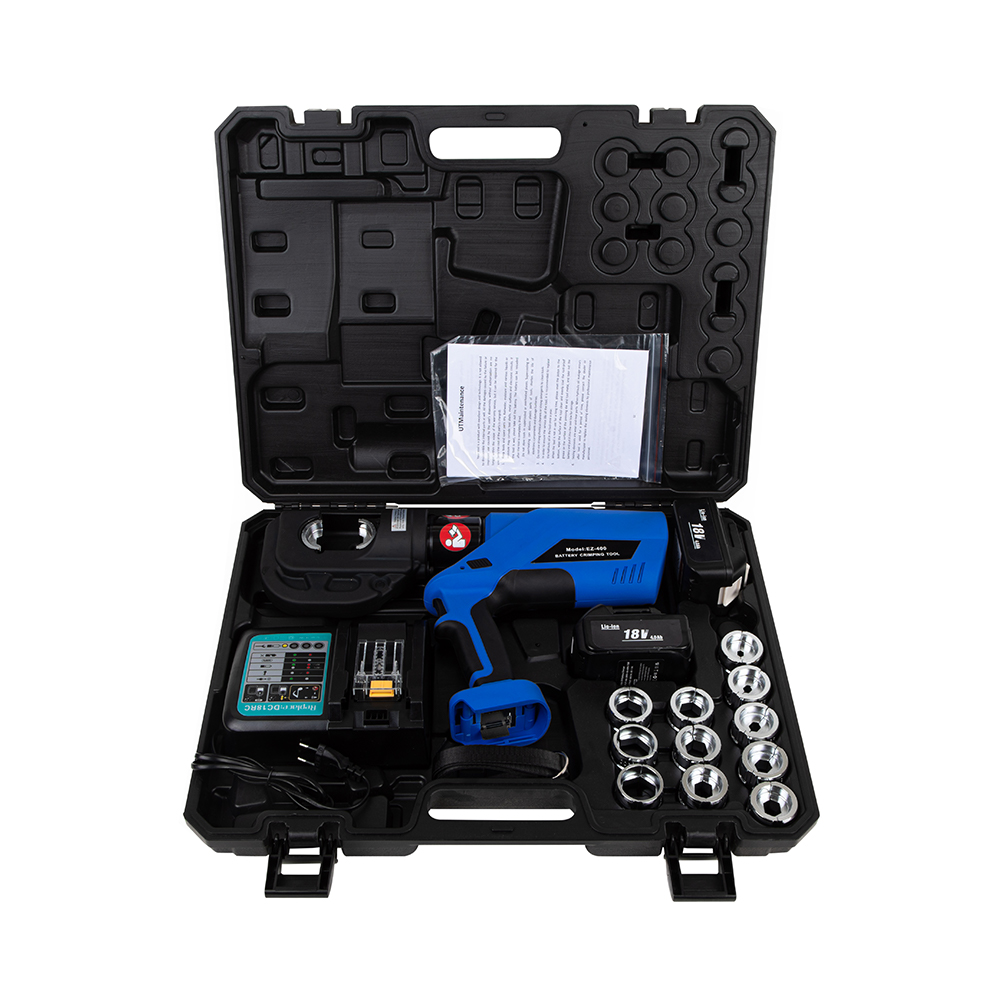
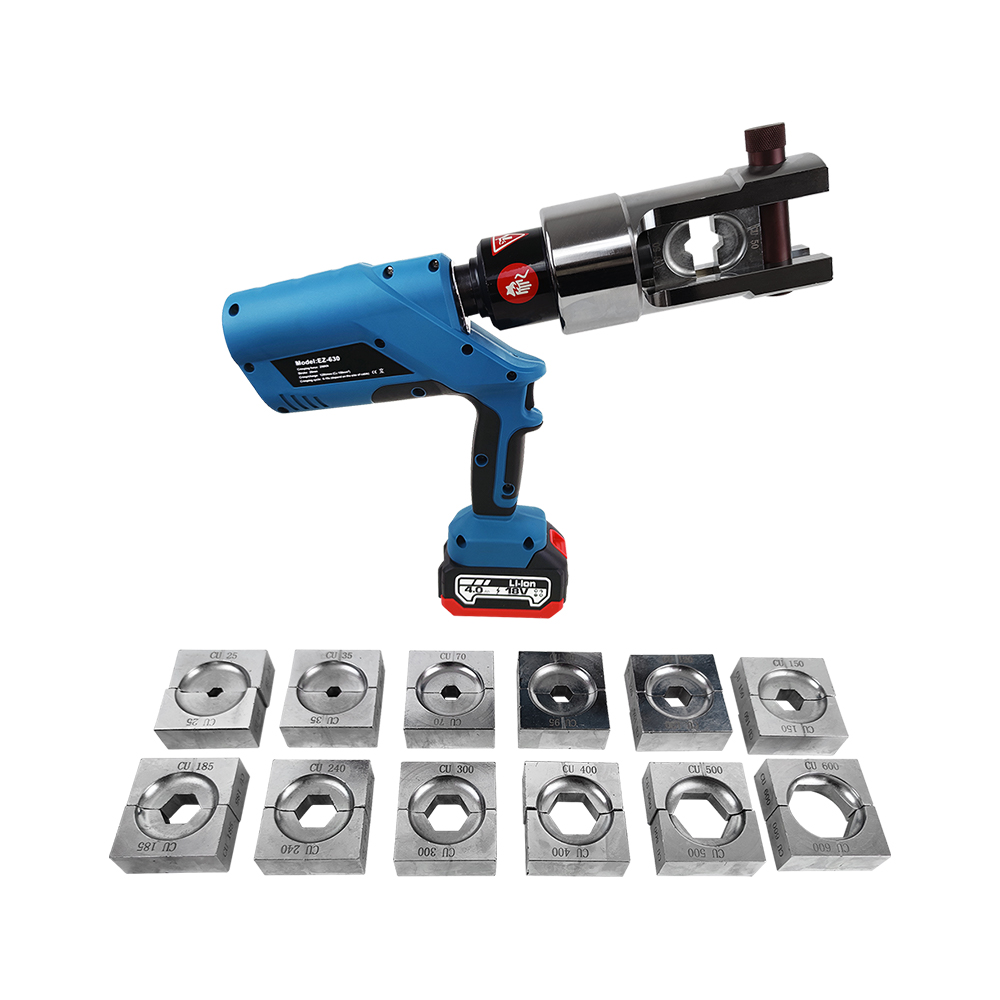
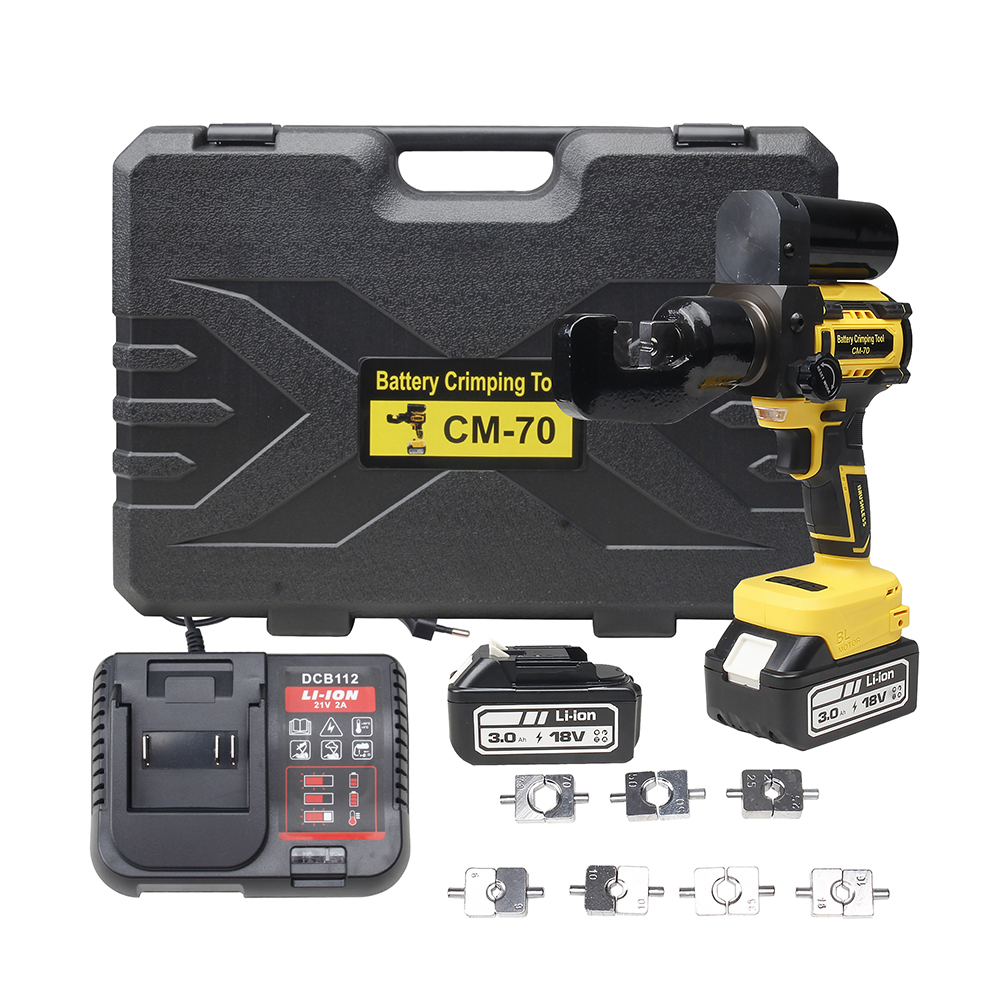
Most hydraulic battery cable crimping tools can handle battery cables from AWG 8 to 4/0. A typical hydraulic battery cable crimping tool comes with eight sizes of dies. These sizes are 10, 16 25 35 50 70 95 and 120 mm². These sizes are similar to AWG 8 6 4 2 1/0 2/0 3/0 and 4/0 battery cables. Some battery cable crimping tools only go up to 1/0 so make sure to check the details before you buy a battery cable crimping tool.
| Cable Size (AWG) |
Approx. mm² |
Tool Needed |
| 8 AWG |
10 mm² |
Manual or hydraulic |
| 6 AWG |
16 mm² |
Manual or hydraulic |
| 4 AWG |
25 mm² |
Manual or hydraulic |
| 2 AWG |
35 mm² |
Hydraulic recommended |
| 1/0 AWG |
50 mm² |
Hydraulic required |
| 2/0 AWG |
70 mm² |
Hydraulic required |
| 3/0 AWG |
95 mm² |
Hydraulic required |
| 4/0 AWG |
120 mm² |
Hydraulic required |
One thing people overlook: the tool's rated range matters, but so does die quality. Cheap dies wear out faster and produce inconsistent crimps. If you're doing this work regularly, spend a bit more on a known brand.
A Battery Operated Hydraulic Crimping Tool is really simple. It has a battery that makes a motor work. This small motor drives a pump. The hydraulic pump then pushes a ram forward. The ram goes forward. Squeezes the terminal onto the cable. The Battery Operated Hydraulic Crimping Tool uses the pump to get a lot of force. This force is what squeezes the terminal onto the Battery Operated Hydraulic Crimping Tools cable.
Here's what happens when you pull the trigger:
- The motor spins up and drives the pump.
- Pistons pressurize hydraulic fluid.
- That fluid pushes the ram forward against the die.
- Once the crimp reaches full force, the motor cuts off automatically.
- A release valve lets the ram retract.
Some tools have an auto-retract feature that backs the ram off partway, so you can reposition without cycling all the way back. Handy when you're doing multiple crimps in tight spaces.
The ergonomics have improved a lot recently. Older pistol-grip designs put a lot of strain on your wrist. Newer tools balance the weight along a straight axis—battery at the back, head at the front. The weight sits naturally in your palm rather than pulling downward.
Loose terminals are frustrating, but they usually come down to one of four issues:
| Root Cause |
What Goes Wrong |
How to Avoid It |
| Poor crimp quality |
Tool doesn't apply enough pressure |
Use the right die; don't cheap out on tools |
| Wrong die size |
Die too large = weak compression |
Match die to terminal markings |
| Nicked wire strands |
Damaged strands don't fill the barrel |
Strip carefully—don't cut into copper |
| Vibration |
Bolted connections shake loose over time |
Use lock washers or torque to spec |
Heat is the telltale sign. A loose connection creates resistance, resistance creates heat, and enough heat will melt a battery post right off. If you feel warmth at a terminal after running a load, something's wrong.
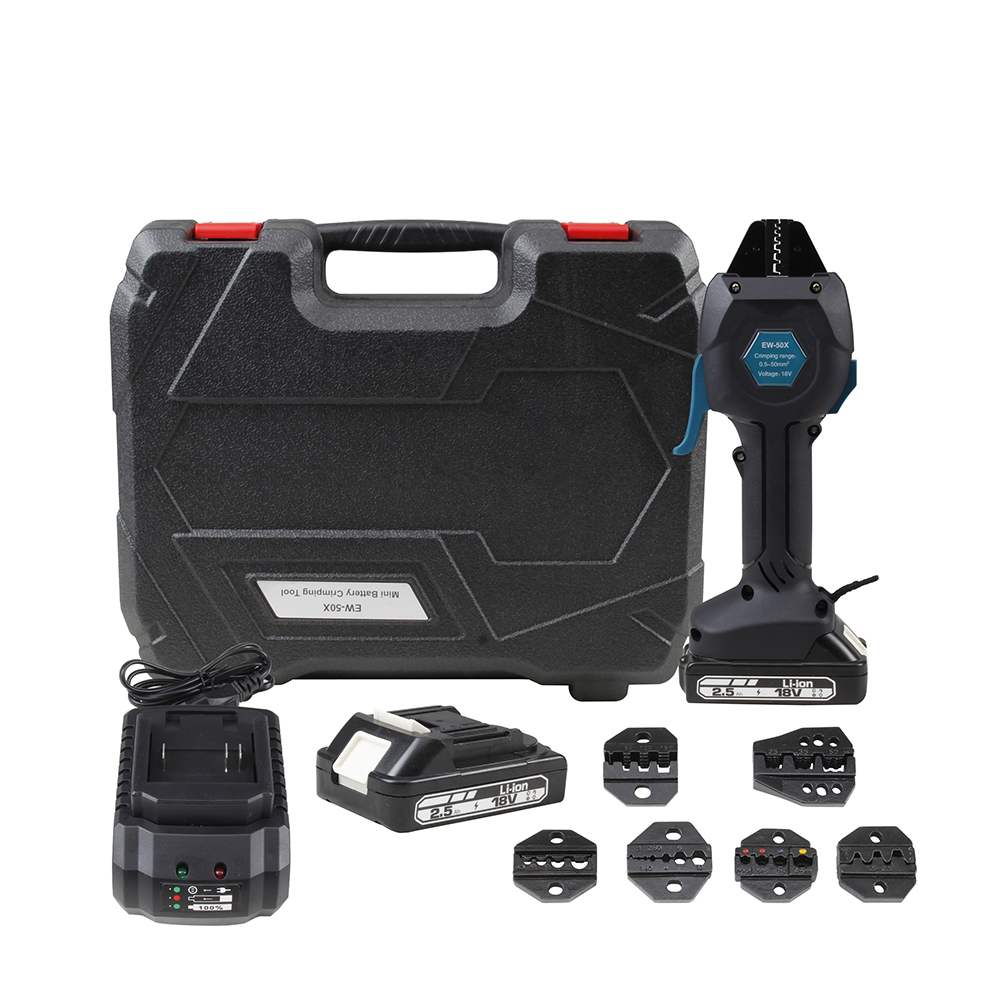
It depends on the tool. Manual crimping pliers typically handle AWG 16 through 6—fine for small wiring jobs and light automotive work.
Heavy-duty manual crimpers with rotating dies often go from AWG 8 through 1/0. But you'll put some muscle into the larger sizes.
Hydraulic units cover the widest spread. Consumer models often handle 16–300 mm² (roughly AWG 6 through 300 MCM). Professional crimpers can handle tubular lugs up to 240 mm² and DIN copper lugs from 6–185 mm².
Never use a tool outside its rated range. It'll either fail to compress properly or damage the dies.
Portable battery crimpers show up wherever you need to make heavy connections without wall power.
- Electrical contractors: Terminating high-voltage cables, building panels, doing field repairs.
- Auto and truck shops: Battery cables, starter leads, ground straps.
- Industrial plants: Motor leads, switchgear connections, maintenance work in hard-to-reach spots.
- Marine work: Boat wiring where shore power isn't available.
- Field service: Some portable crimpers are designed specifically for hydraulic hose repair—one model crimps a half-inch hose in about 60 seconds.
The big advantage is obvious: you take the tool to the work, not the work to the tool. That saves time and keeps equipment downtime to a minimum.
Hydraulic tools aren't set-and-forget. A little routine care goes a long way.
- Battery: Use the manufacturer's charger. Don't run the battery completely flat—lithium-ion packs prefer partial discharges. Store them somewhere cool and dry. Some tools won't even start a crimp cycle if the battery is too low to finish it.
- Hydraulic fluid: Check the level per the manual. Replace the oil every few years or as specified. Use the recommended type—mixing fluids can wreck the seals.
- Cleaning: Wipe the tool down after use. Pay attention to the die area—metal shavings and dirt build up there. That debris can prevent full die closure and scratch sealing surfaces.
- Dies: Inspect them regularly for cracks or wear. Worn dies produce bad crimps and stress the hydraulic system. Replace them when they show signs of damage.
- Calibration: For critical work, get the tool calibrated annually. Some newer models have USB ports that store crimp data for verification.
Task When Why
| Task |
When |
Why |
| Charge battery |
As needed, avoid full drain |
Ensures complete crimp cycles |
| Check fluid |
Per manual schedule |
Keeps ram force consistent |
| Clean tool |
After each job |
Protects seals and dies |
| Inspect dies |
Weekly or before big jobs |
Catches wear early |
| Calibrate |
Annually |
Confirms spec compliance |


 English
 Español