Hydraulic Pullers Demystified: Types, Sizing, and Why They Beat Manual Alternatives
Stuck bearings, seized gears, and stubborn pulleys are a fact of life in any maintenance shop. When brute force fails—or worse, damages the component—hydraulic pullers offer a controlled, powerful solution. This guide covers the main types, how to pick the right size, and the real advantages of switching to hydraulic power for extraction work.
What Are the Different Types of Hydraulic Pullers Available?
Hydraulic pullers aren't one-size-fits-all. They come in several configurations, each designed for specific jobs, access conditions, and tonnage requirements.
By Jaw Configuration
- 2-jaw pullers: Better suited for low-tonnage work, round components, or tight spaces. The two-point grip works well for smaller bearings and gears, but can create uneven loading and may need extra securing to prevent the part from spinning.
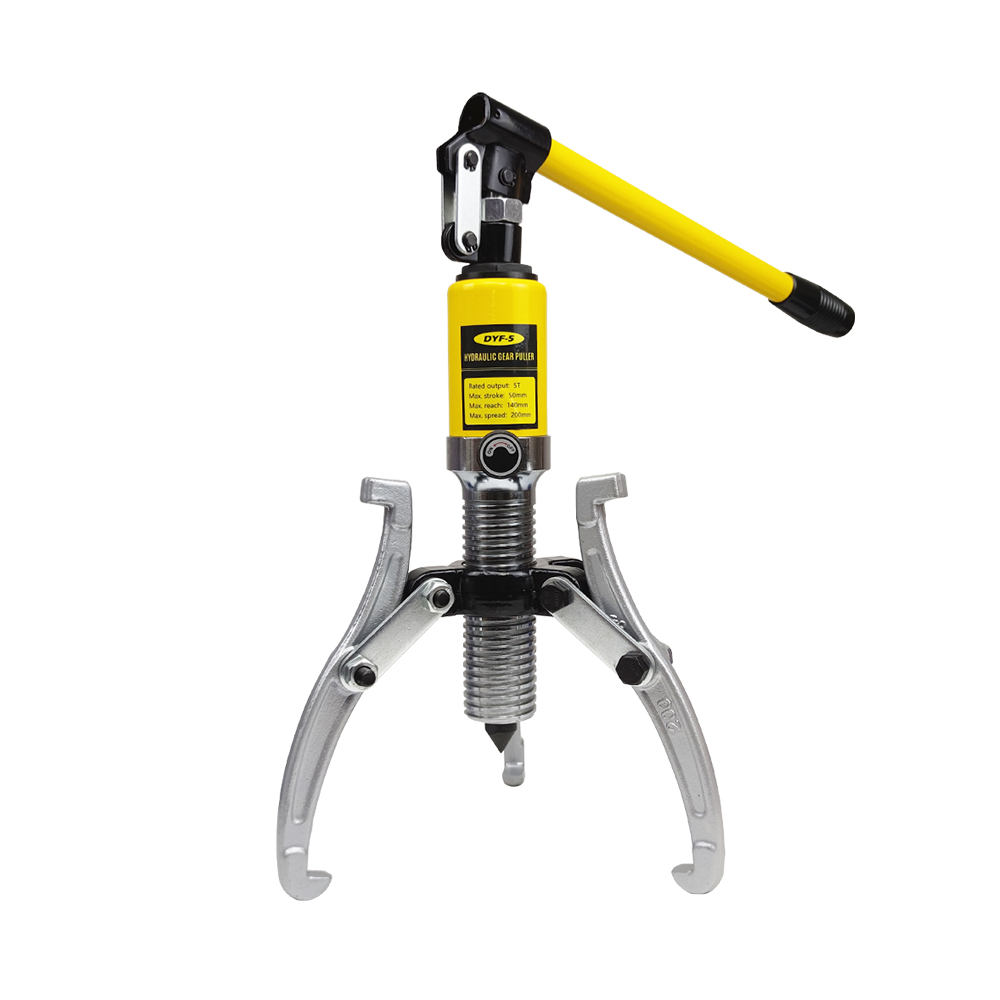
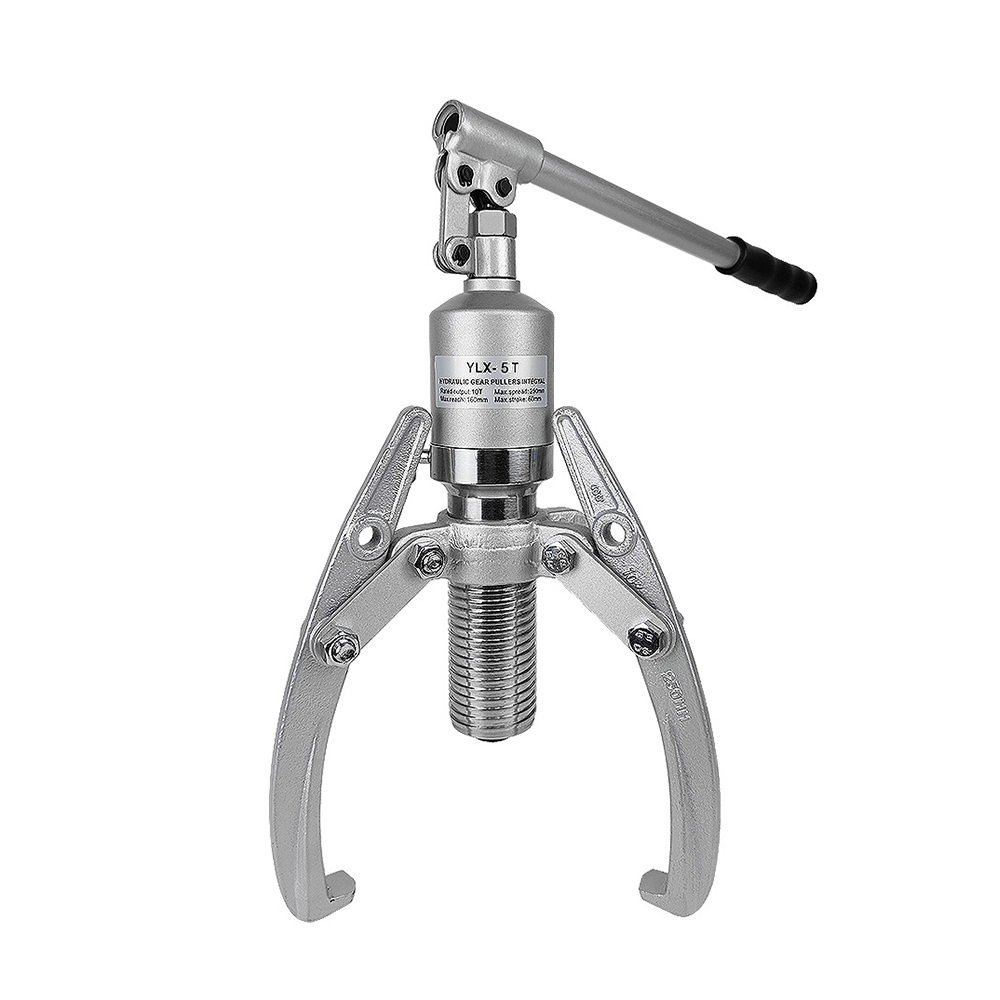
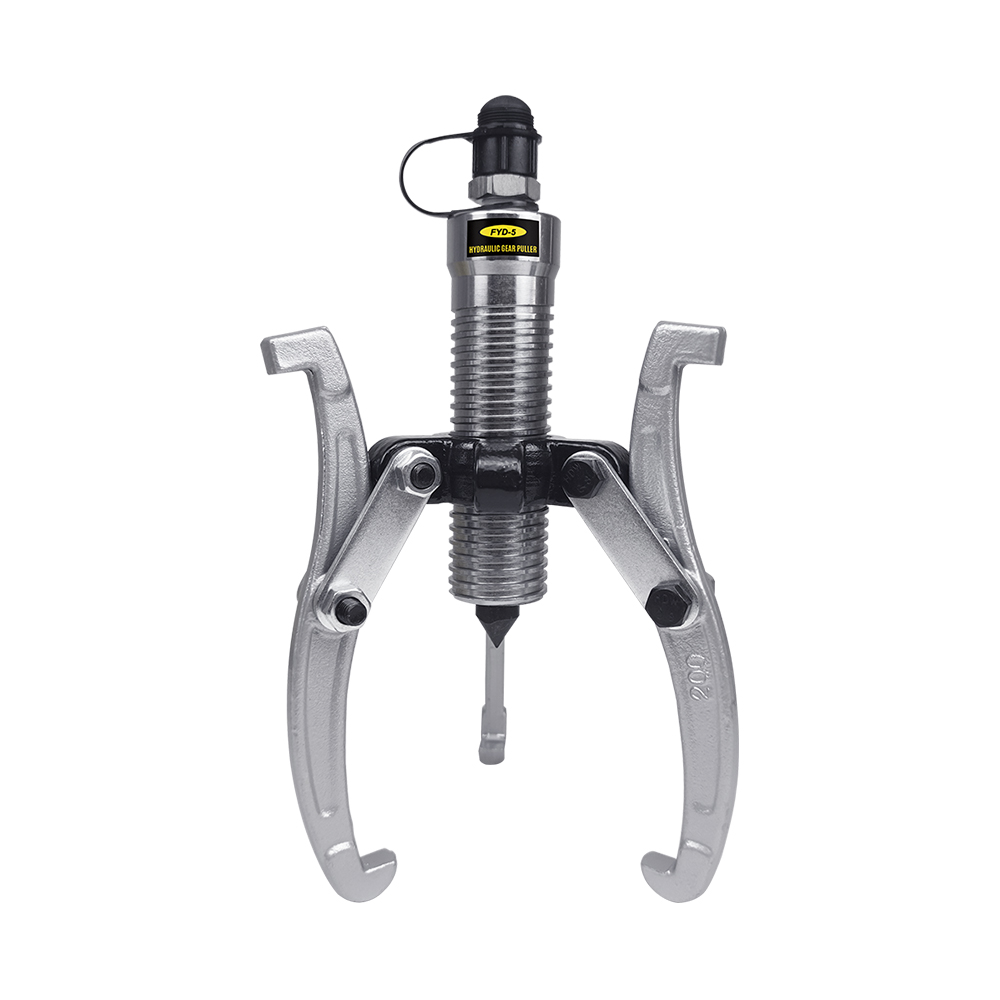
- 3-jaw pullers: The go-to choice for heavy-duty applications. Three points of contact distribute force evenly around the component, reducing the risk of distortion and providing a more stable, concentric pull. If you have the room, a 3-jaw setup is generally safer and more reliable.
By Design and Application
- Hydraulic bearing pullers: Purpose-built for bearing removal. These often include specialized attachments to grip the inner or outer race without damaging the shaft or housing.
- Hydraulic gear pullers: A more universal tool designed for gears, pulleys, flywheels, and sprockets, in addition to bearings.
- Heavy-duty and high-tonnage pullers: For industrial work—wind turbine main shafts, large marine components, and mining equipment—pullers with capacities from 50 up to 300 tons are available, often with wheeled frames for mobility.
| Type |
Best Use Case |
Typical Capacity |
| 2-Jaw Puller |
Confined spaces, small components |
Low to moderate |
| 3-Jaw Puller |
Heavy-duty work, large bearings, balanced pulling |
High tonnage |
| Bearing Puller |
Removing inner/outer bearing races |
Varies |
| Gear Puller |
Pulleys, gears, flywheels, general extraction |
5–50+ tons |
Choosing the wrong puller slows the job down and can damage parts. Sizing involves three main factors: reach, spread, and force.
Reach – This is the depth the jaws need to extend to grip the component. The puller's reach must be equal to or greater than the distance from the shaft end to the part you're removing.
Spread – This is the maximum opening width of the jaws. It must accommodate the outside diameter of the bearing, gear, or pulley you're extracting.
Force (Tonnage) – The required pulling force depends on several variables. A rusted part, a large contact area, or an interference fit with heavy surface contact requires significantly more tonnage. A common rule of thumb is to choose a puller whose force screw diameter is at least half the shaft diameter. When in doubt, go with the next size up—an undersized puller struggles and wastes time. Many hydraulic pullers are offered in capacities ranging from 5 tons for lighter automotive work up to 15 tons for demanding industrial maintenance.
The move from mechanical to hydraulic pulling comes down to three clear benefits: control, safety, and efficiency.
Controlled, Damage-Free Removal
Mechanical pullers rely on a force screw that you turn manually, often with a wrench or breaker bar. This creates a twisting, jerking action that can shock the component or the shaft. Hydraulic pullers apply force through a smooth, linear ram action. The controlled, gradual force reduces the risk of scoring shafts, cracking bearing races, or distorting gears.
Significantly Higher Force with Less Effort
For stubborn or large components, the force required exceeds what a technician can generate with a manual screw. Hydraulic pullers use a pump and cylinder to multiply force—a small handle stroke generates tons of pulling power. Models commonly offer capacities up to 15 tons for shop use. This efficiency speeds up jobs and reduces technician fatigue.
Versatility and Operator Safety
Many hydraulic pullers support both horizontal and vertical operation, allowing you to work on components in any orientation without straining. Adjustable jaw configurations (2 or 3-jaw) make one tool adaptable to multiple jobs. Plus, the controlled hydraulic action eliminates the need for hammering, heating, or prying—methods that are risky to both the operator and the parts. Using a 3-jaw setup further improves stability and load distribution.


 English
 Español