Pipe and Tube Bending: Choosing Equipment and Troubleshooting Hydraulic Systems
Bending a metal pipe can be a job. It looks simple. It is not. You can end up with a pipe that is wrinkled or cracked. This is a waste of time and money. To do the job right you need to pick the machine for the work you are doing. You also need to know what can go wrong when you are using equipment. Here is a practical breakdown of how to bend a metal pipe. Bending a metal pipe is a task that requires the machine and some knowledge of metal pipe bending.
The selection of hydraulic or mechanical bending is based on the material, volume and physical demands of the job. It's about matching tool capability to what you actually bend day to day.
When Mechanical Benders Make Sense
Mechanical benders—manual lever or ratchet-type units—generate force through physical leverage or geared mechanical advantage rather than hydraulic pressure. They're a solid fit for:
- Light to medium workloads, including copper plumbing tube, thin-wall aluminium, and electrical conduit.
- Smaller diameters, typically up to about 22mm outside diameter.
- Occasional or mobile work where portability matters and you don't have power nearby.
- Hobbyist or DIY projects where budget is a concern and volumes stay low.
When Hydraulic Benders Are the Better Call
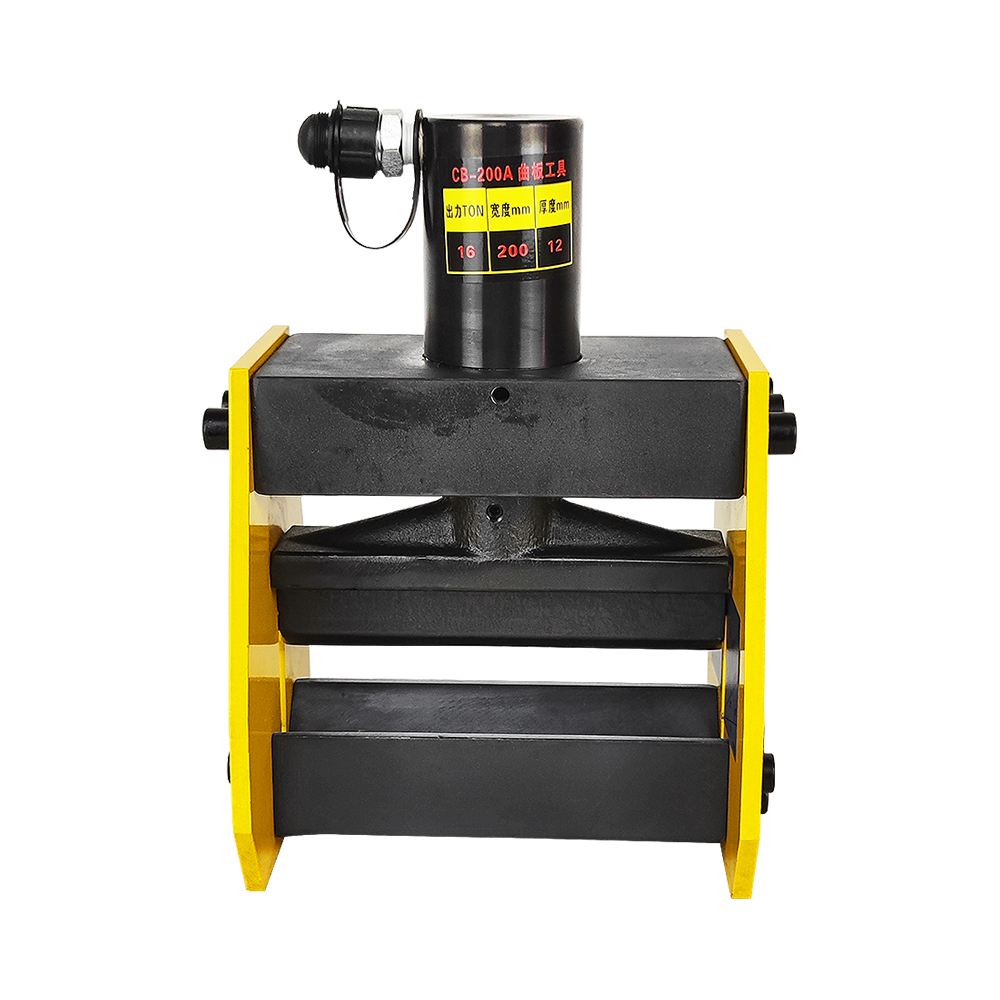
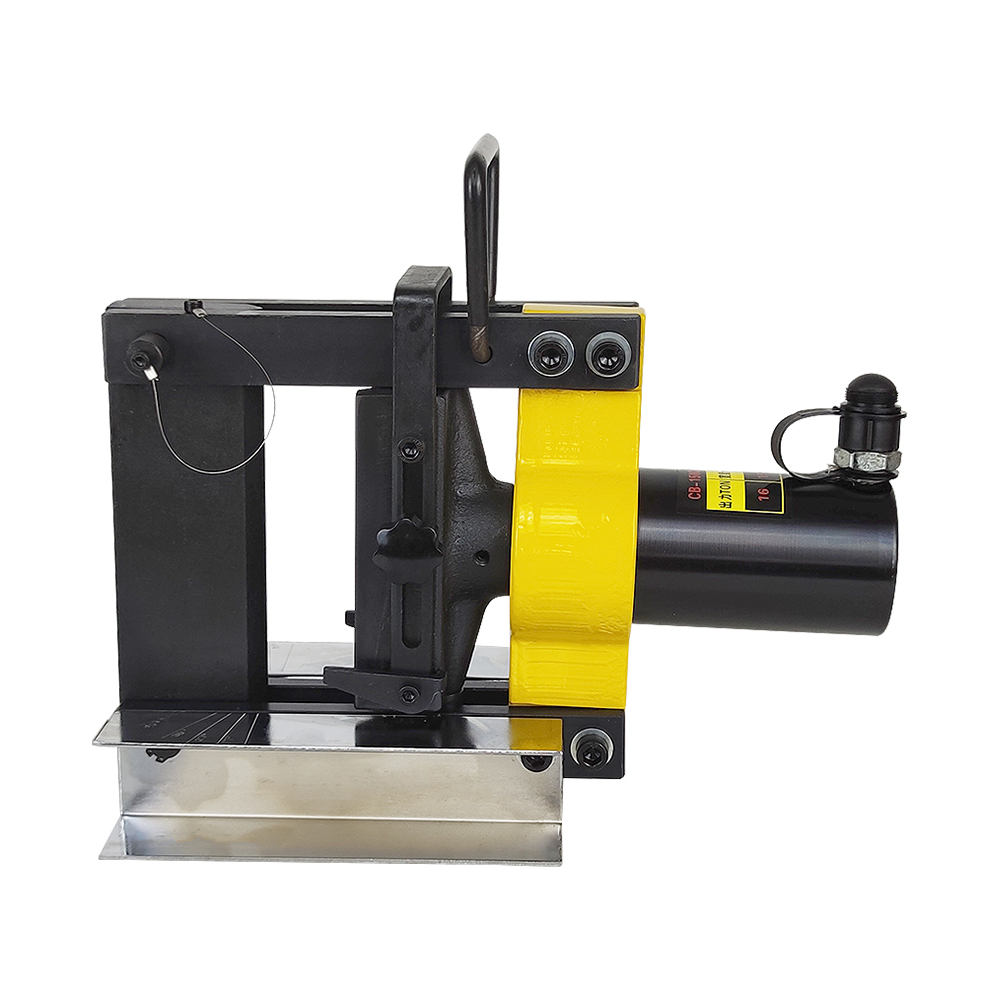
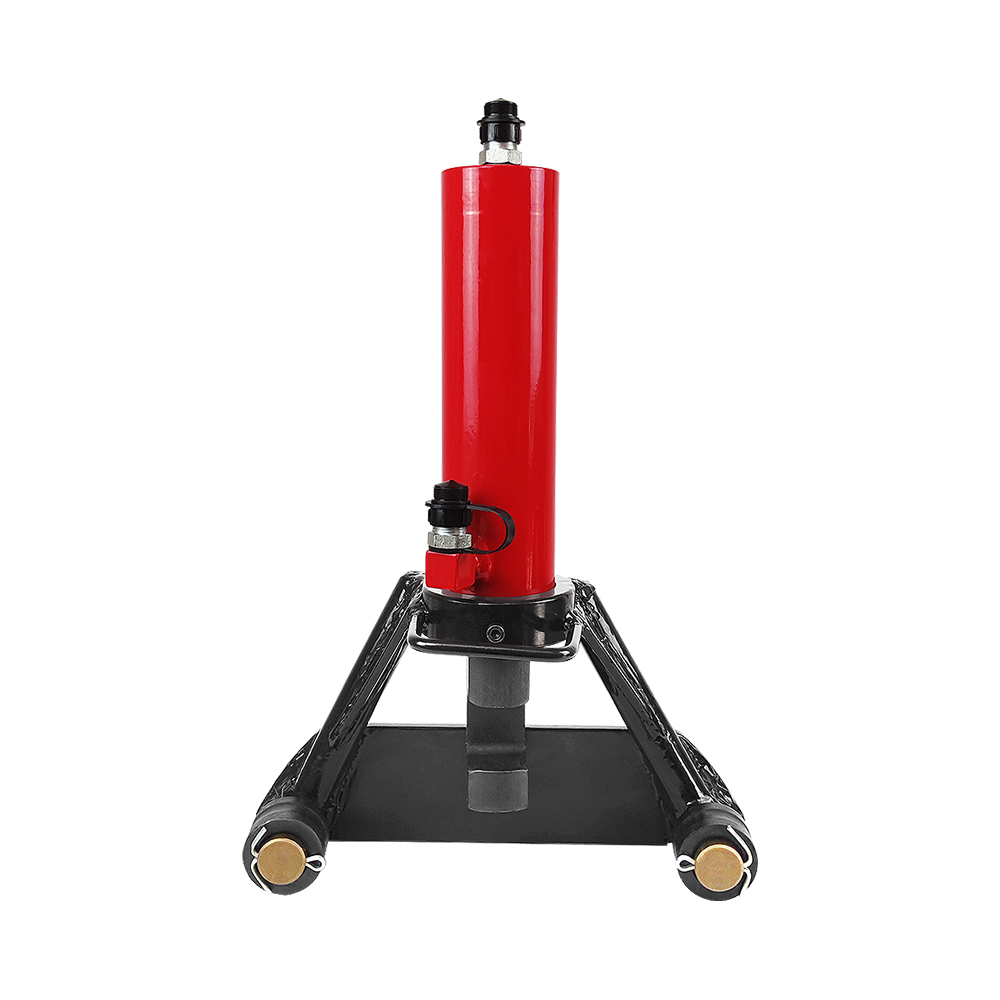
Hydraulic benders use pressurised fluid to drive a cylinder, delivering significant force with minimal operator effort. They become necessary when manual methods hit their limit:
- Heavier-gauge and thick-wall pipe that would exhaust an operator on a manual bender.
- Larger diameters, handling pipe from 20mm up to 50mm and beyond.
- High-volume production where repeatability matters and operator fatigue can't be a factor.
- Industrial and structural fabrication where precision and material integrity are non-negotiable.
| Feature |
Mechanical Bender |
Hydraulic Bender |
| Power Source |
Manual force / leverage |
Hydraulic fluid pressure |
| Typical Capacity |
Up to ~22mm soft tube |
20mm – 50mm+ heavy pipe |
| Key Advantage |
Portable, no power needed |
High force, consistent results |
| Best Fit |
Hobby, maintenance, soft materials |
Production runs, steel, thick walls |
| Accuracy |
Operator dependent |
More repeatable and precise |
Even with the right hydraulic machine, things go sideways. Most failures trace back to a handful of recurring issues.
Material Deformation
Wrinkling on the inner radius, flattening of the cross-section, or outright cracking are signs that the pipe itself is failing under stress. Common causes:
- Insufficient internal support: without a mandrel inside the tube, the wall collapses.
- A bend radius too tight for the material—general rule is to keep the radius at least twice the pipe diameter.
- Excessive speed or force, especially with materials that aren't very ductile.
Hydraulic System Performance Issues
The hydraulic circuit itself is a frequent trouble spot:
- The pipe slips during bending, the clamping force is insufficient. Typically caused by worn clamp parts, low pressure or oil contamination on clamp surfaces.
- Slow, jerky or vibrating movement is caused by unstable pressure or air in the system. Low oil levels or dirty fluid are the usual suspects.
- Often inaccurate bending angles are caused by calibration drift, worn sensors, or differences in material hardness that the machine was not adjusted for.
Tooling Wear and Mechanical Degradation
Dies, bending rolls, and guide rails take a beating over time:
- Worn rolls or deformed dies damage the pipe surface and kill precision.
- Increased clearance in guide rails creates abnormal noise and reduces ram accuracy. Regular cleaning and lubrication go a long way.
Springback Compensation
Materials naturally spring back after bending—they try to return to their original shape. If you don't account for this, you'll consistently come up shallow. The fix is overbending by about 1 to 2 degrees to compensate for elastic rebound.


 English
 Español