Hydraulic Tools in Shipbuilding: Applications, Power Sources and OEM Testing
Much of what goes on in a modern shipyard is driven by hydraulics. Whether moving multi-ton hull sections or tightening critical bolted joints, hydraulic tools provide force and control that simply cannot be achieved manually. This guide will cover the types of equipment used, the role of hydraulic pumps and what reliability testing means for OEM tools in marine applications.
Shipbuilding consists of large pipes, steel plates and huge structural assemblies. Hydraulic tools are popular because of their power-to-size ratio and their ability to hold position under load without constant power input.
Lifting and Positioning Equipment
- Hydraulic jacks and cylinders – Used for lifting hull blocks, aligning sections during assembly, and supporting loads during welding. Synchronized systems can lift and position entire modules with accuracy.
- Hydraulic gantries and skidding systems – Move heavy assemblies across slipways or along tracks. Push-pull cylinders slide modular units into place with fine control.
- Strand jack systems – Employ multiple high-strength cables tensioned by hydraulic cylinders, used for launching platforms and raising complete ship sections.
Metal Fabrication Tools
- Plate bending rolls – Hydraulically powered rollers curve steel plates into hull shapes. Some shipyard rolls handle plates up to 36 feet long.
- Hydraulic presses and flanging machines – Form stiffening members and structural shapes without heating, saving time and energy.
- Punching and shearing equipment – Cut frames to length and punch bolt holes through thick nickel steel plates.
Bolting and Fastening Tools
- Hydraulic torque wrenches – Deliver controlled tightening of large bolts in propulsion systems and structural joints. Powered by electric or air-driven pumps.
- Hydraulic bolt tensioners – Apply precise tensile force to bolts, avoiding the friction errors that affect torque-only methods.
- Nut splitters and cutters – Remove corroded or seized nuts without damaging threads.
Pipe and Cable Tools
- Hydraulic pipe benders – Form piping runs for onboard systems, often handling multiple bends on a single pipe.
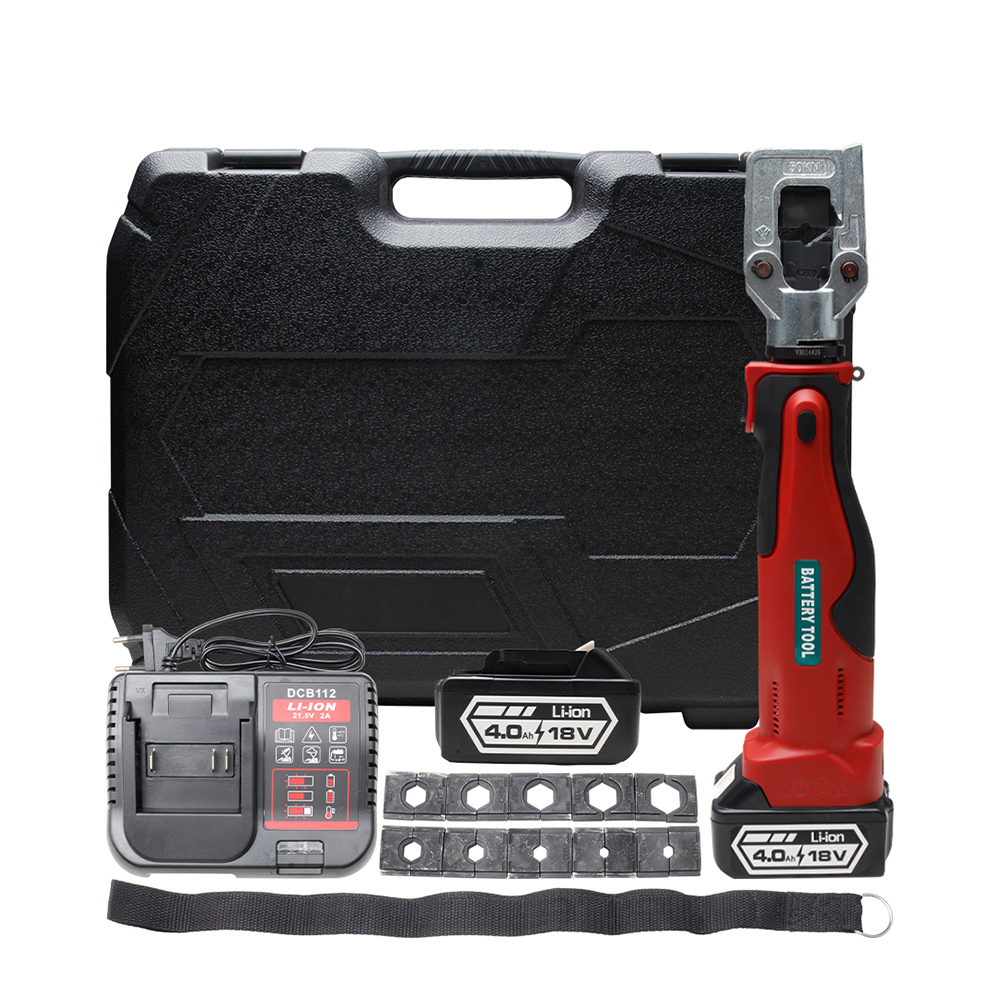
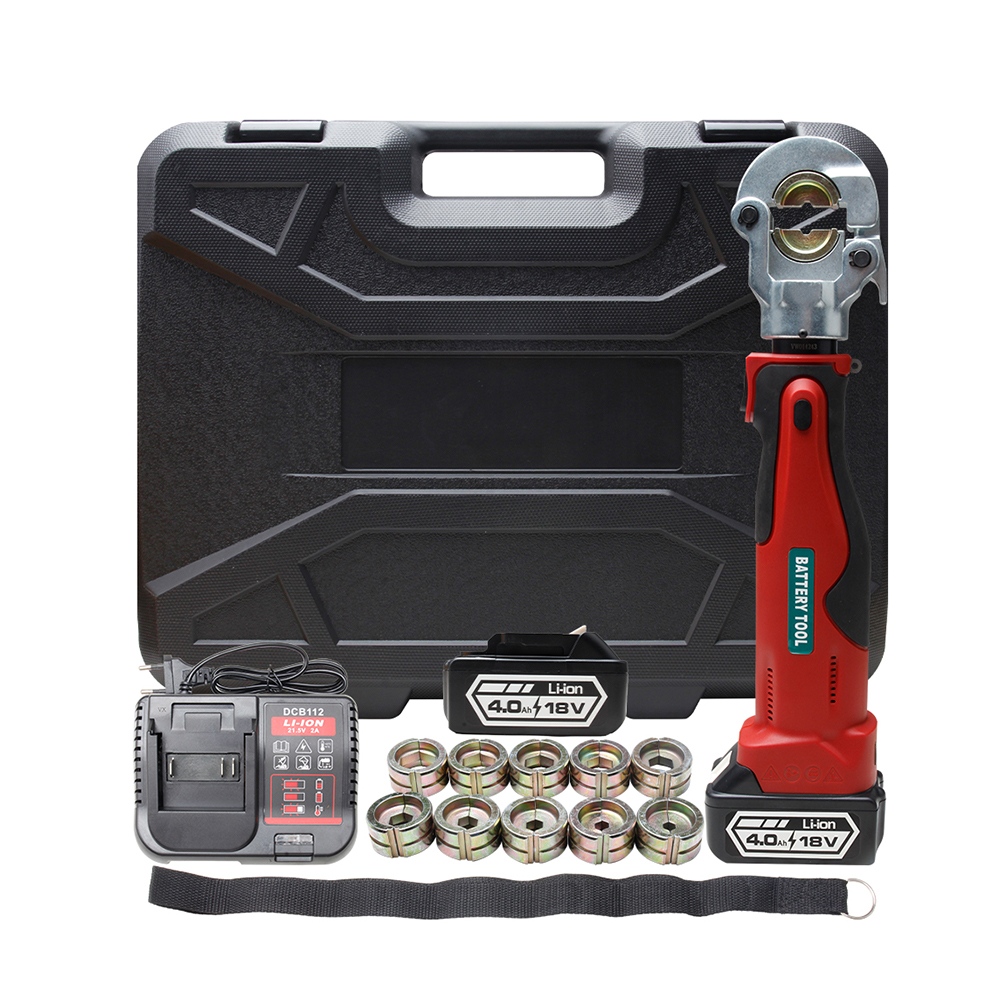
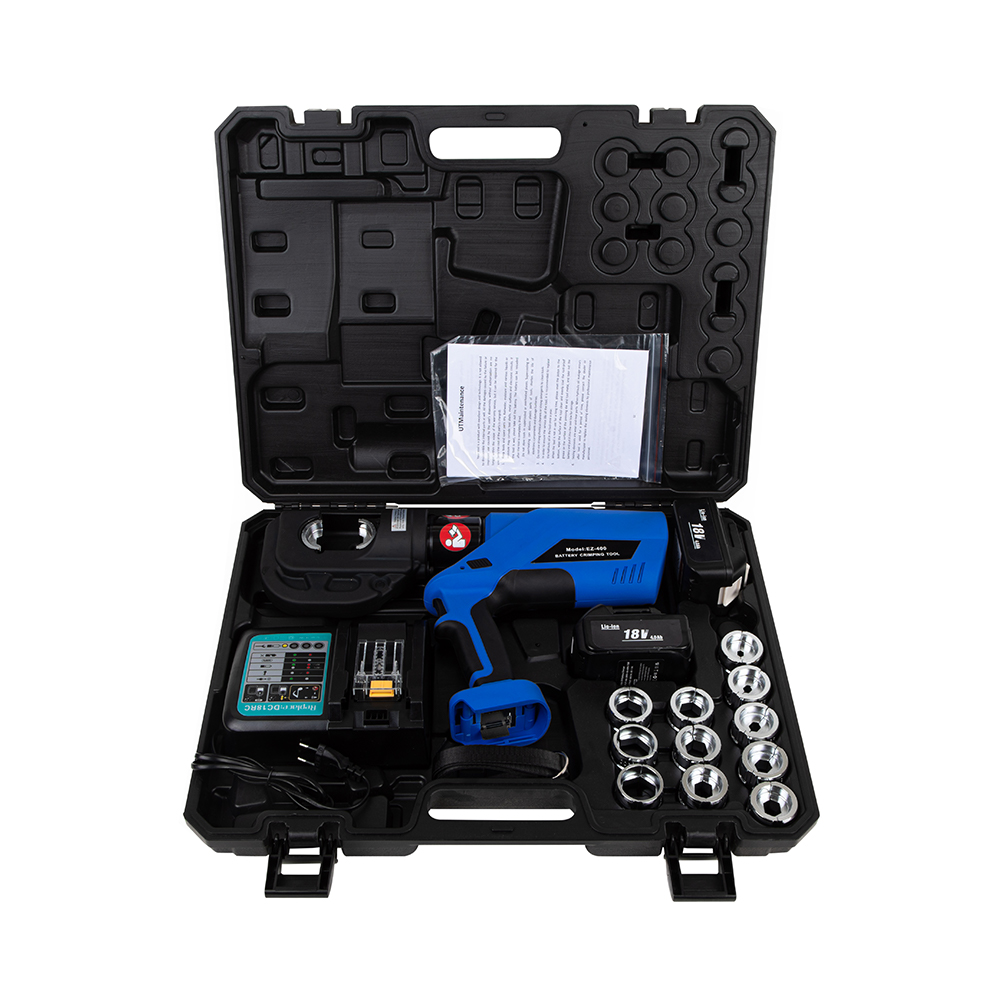
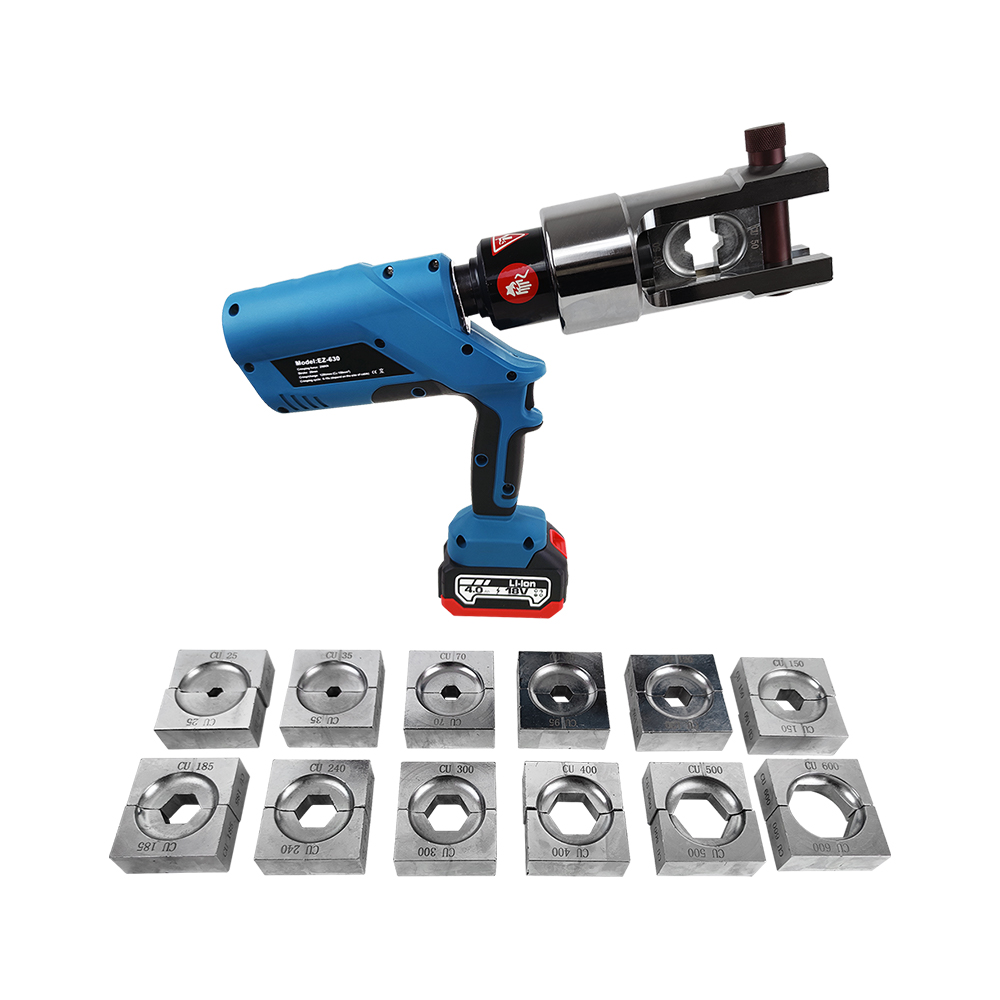
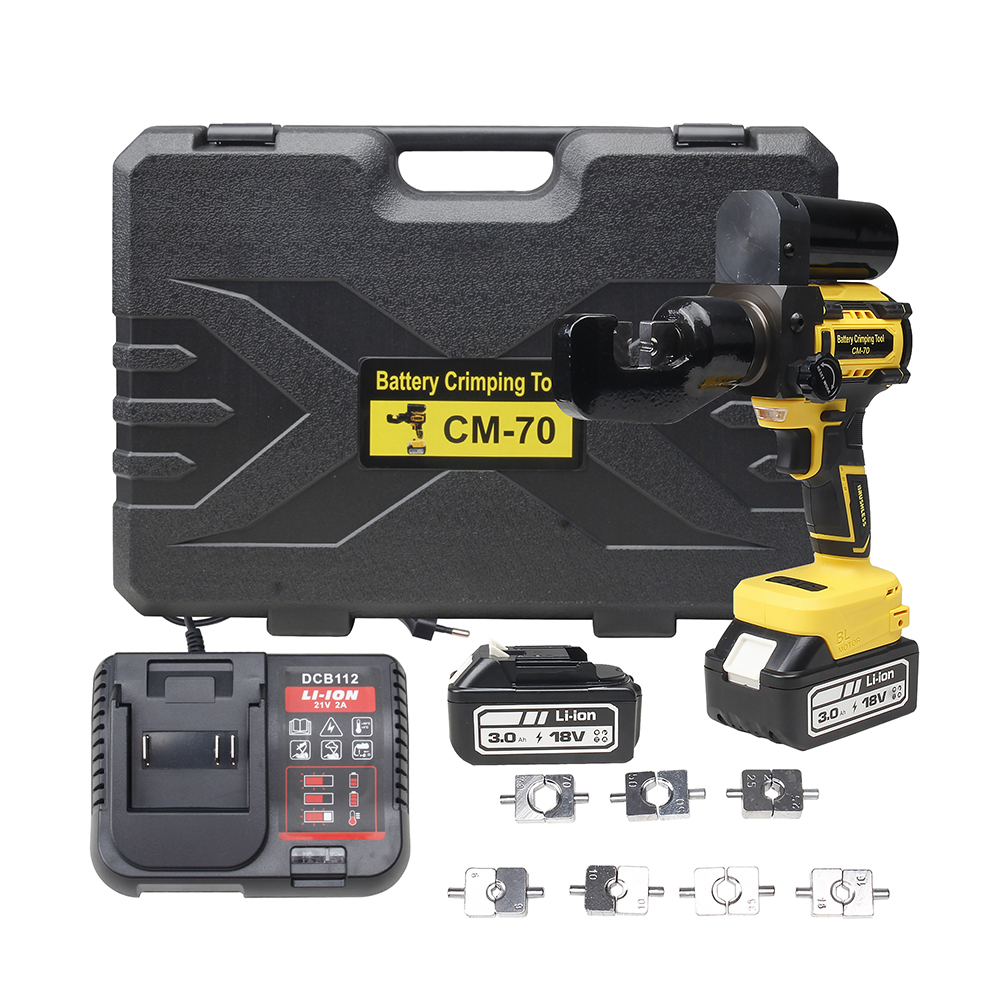
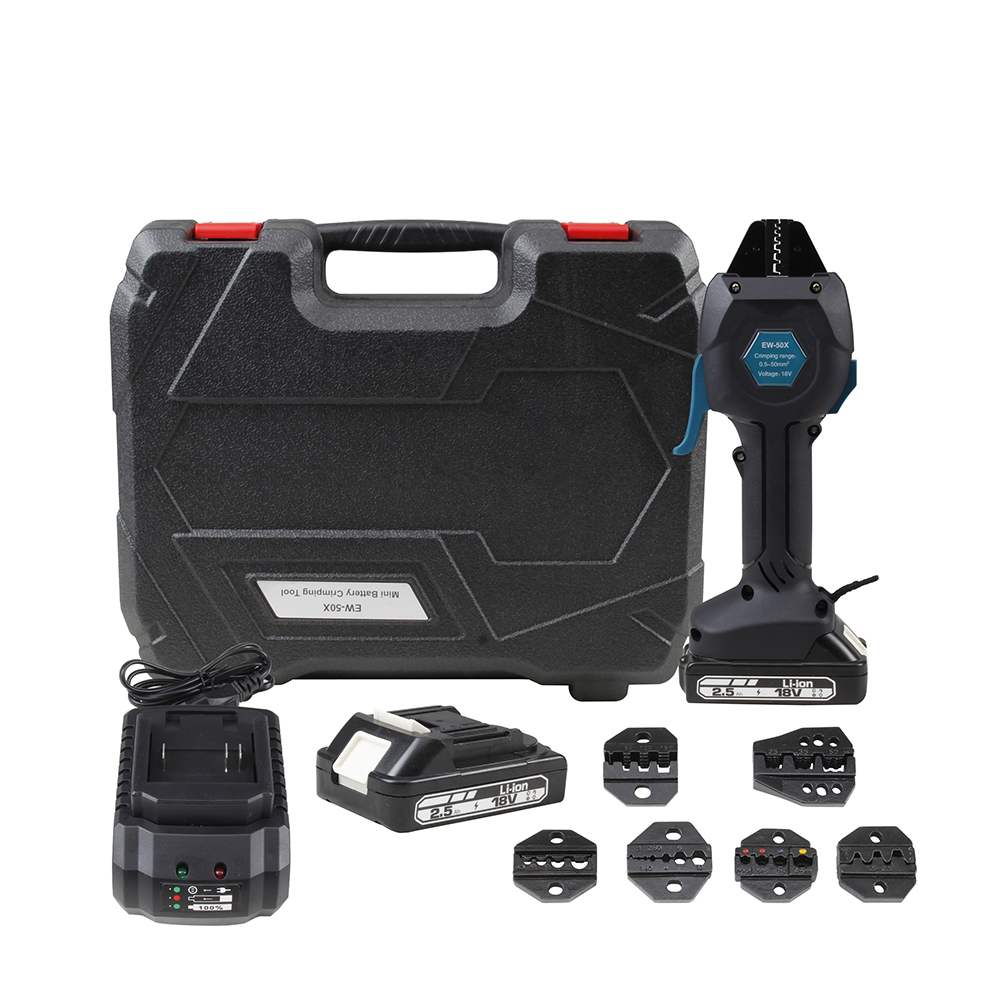
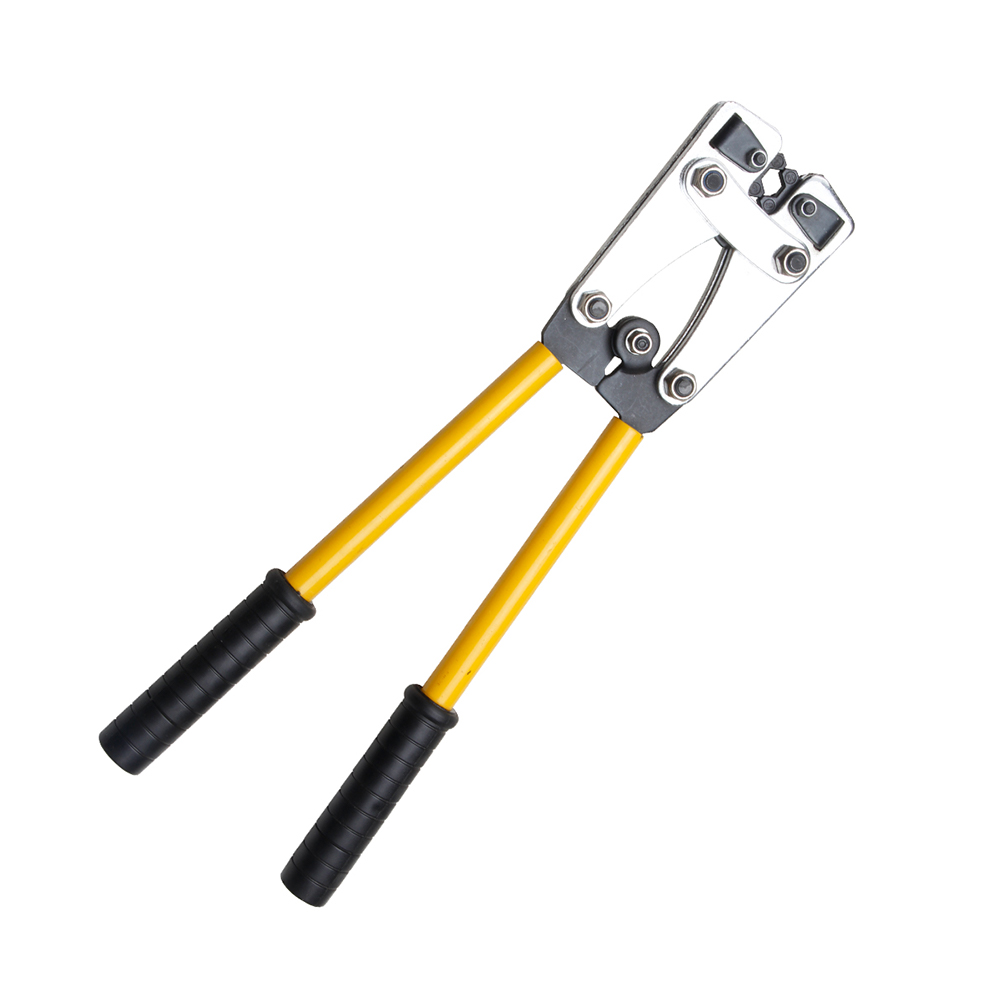
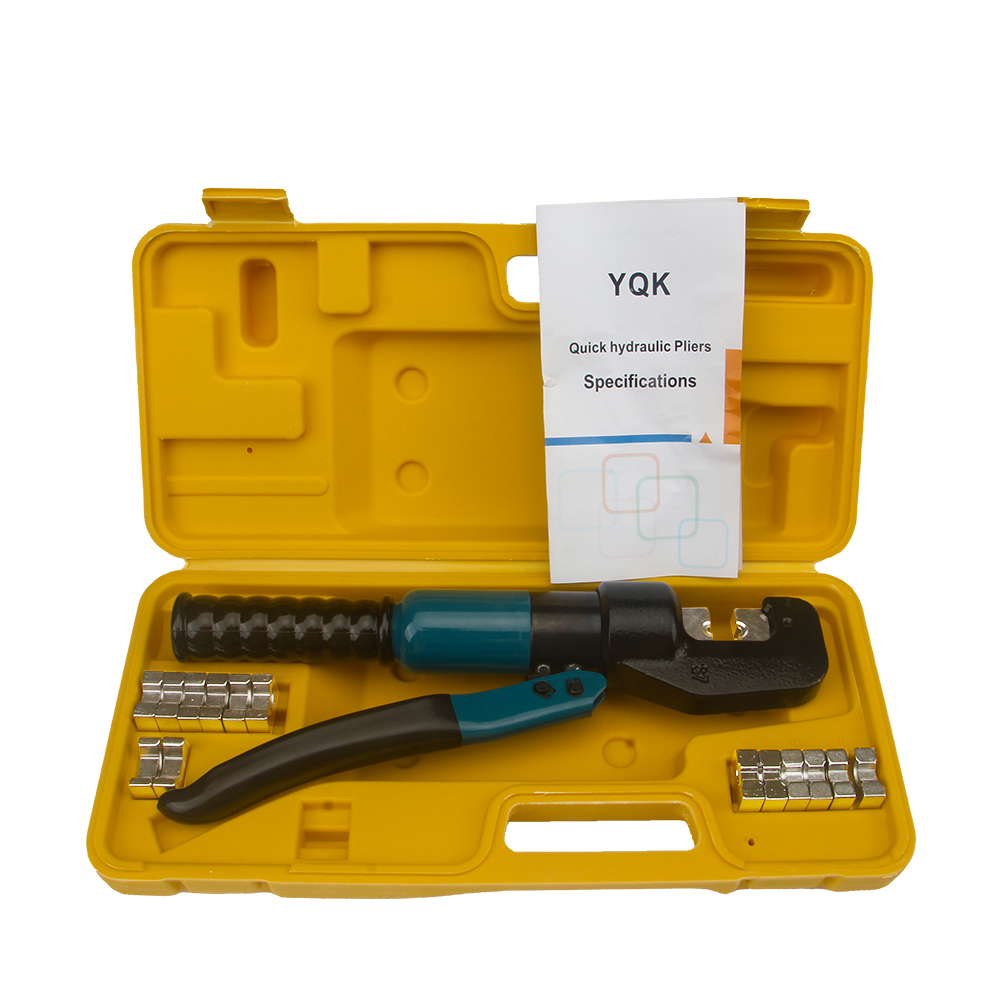
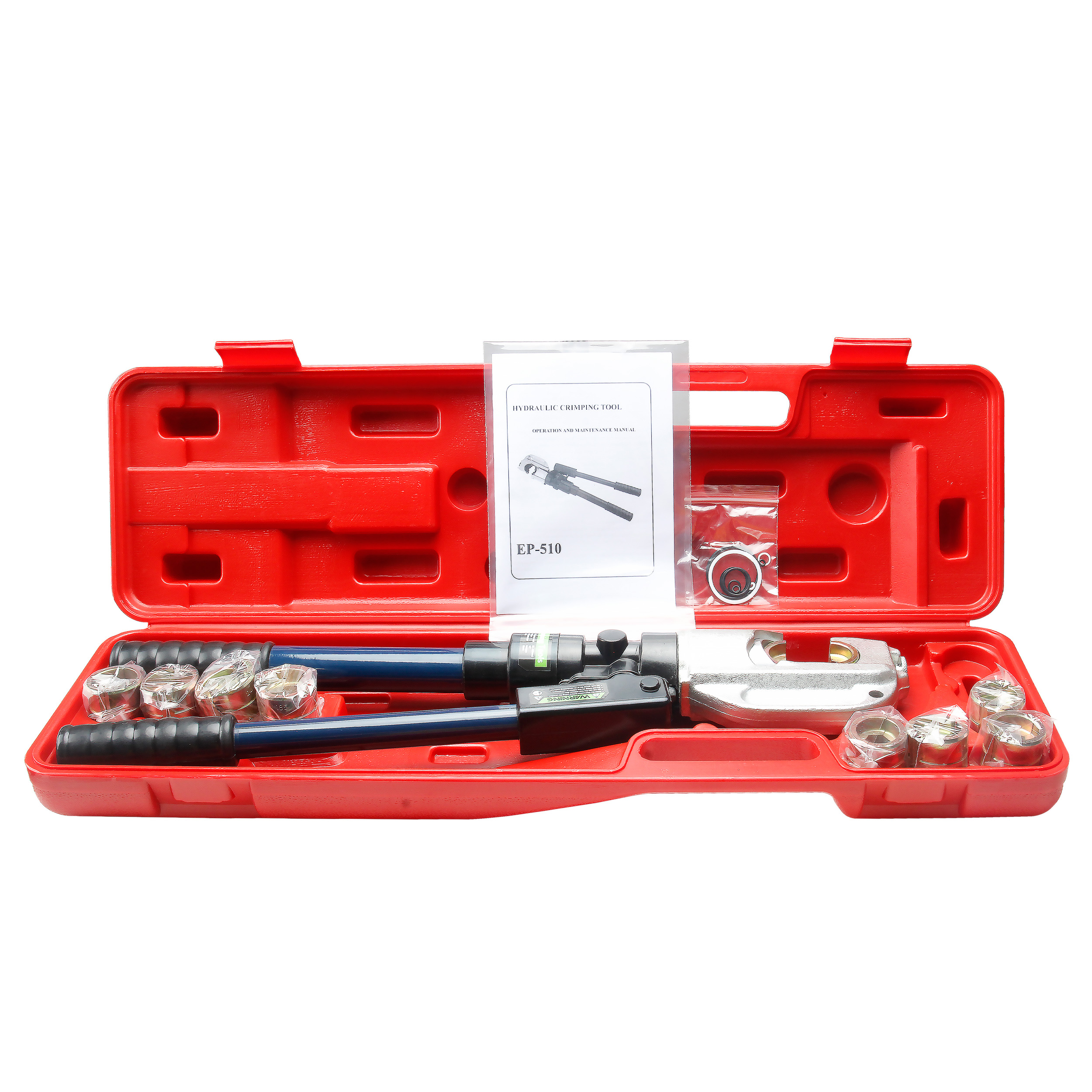
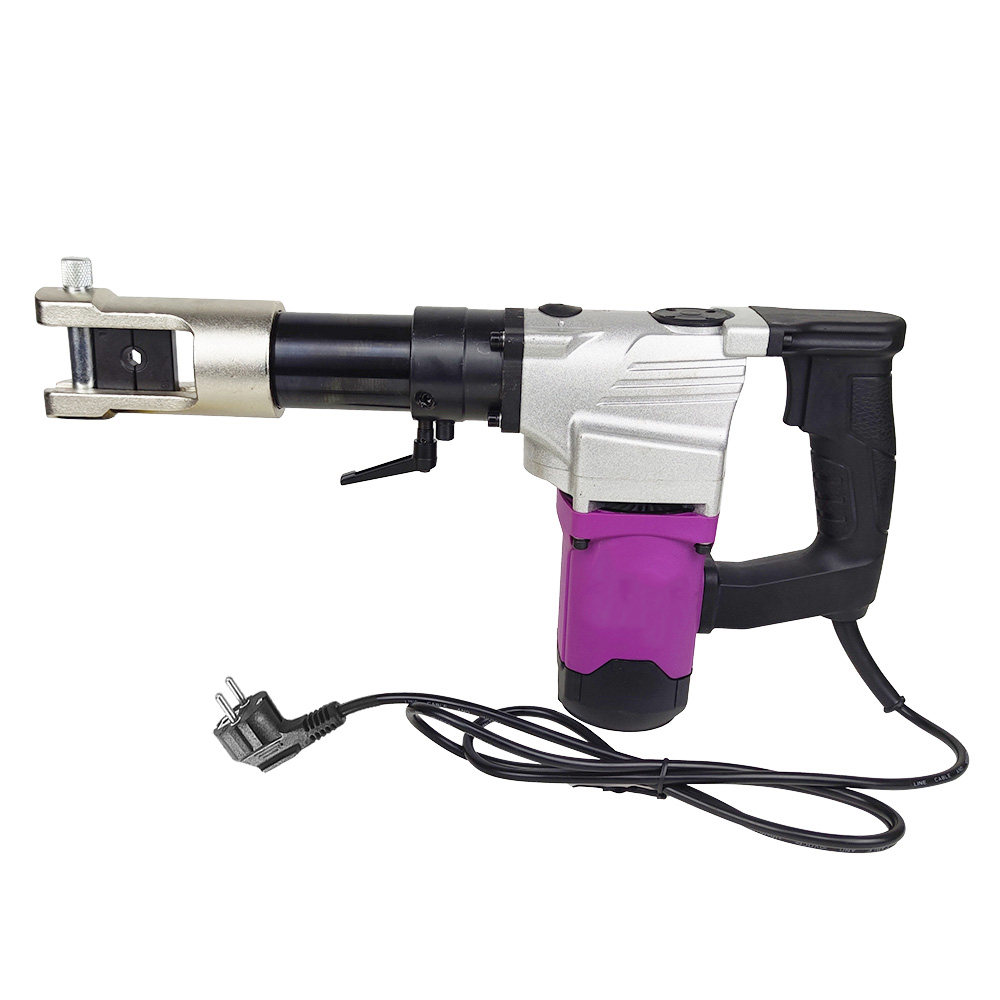
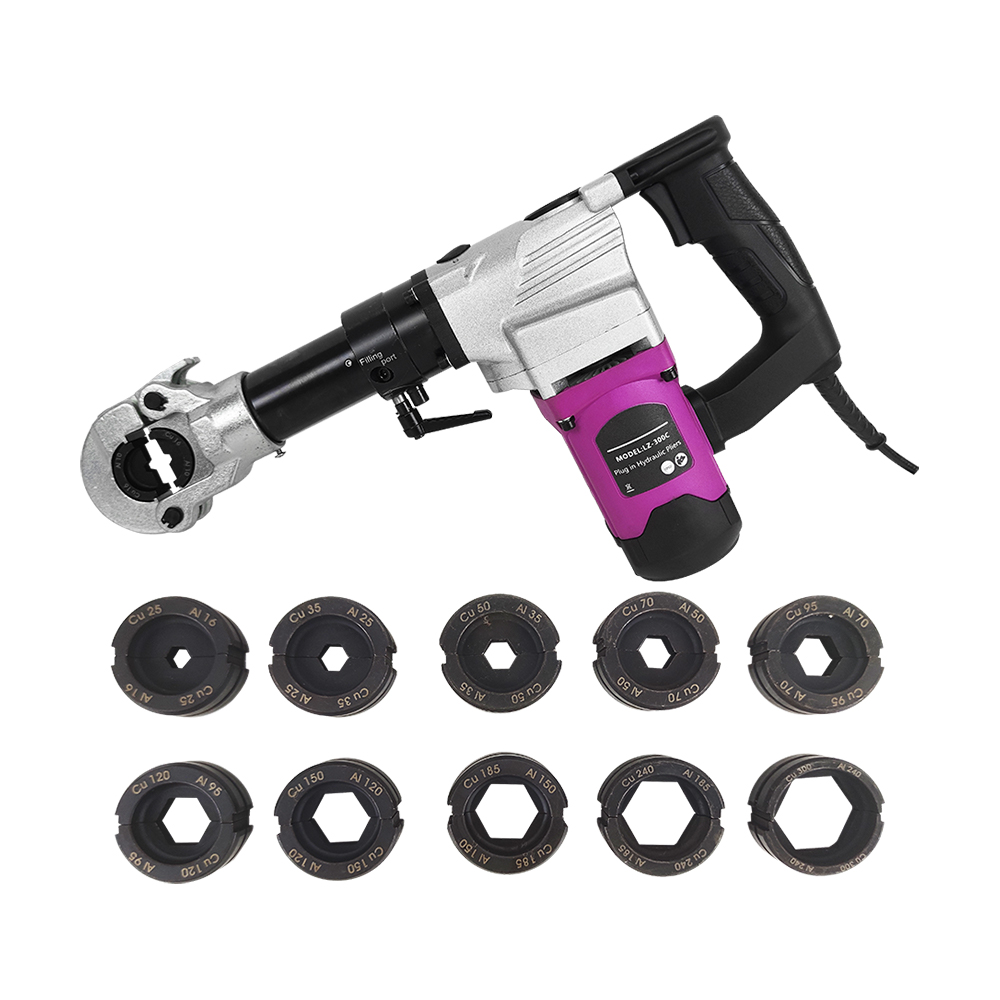
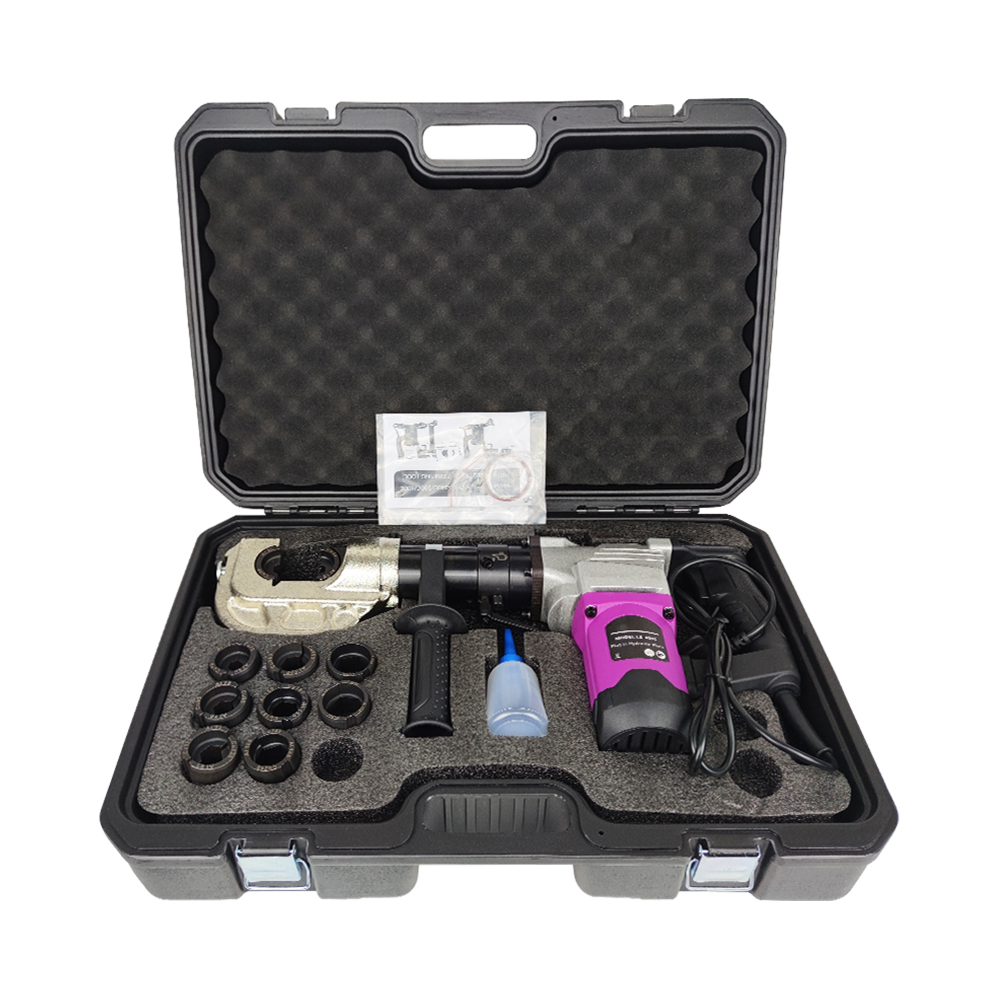
- Hydraulic cutters and crimpers – Cut cables and crimp electrical connections using pressures up to 700 bar.
| Tool Category |
Common Shipbuilding Use |
Key Benefit |
| Hydraulic jacks & cylinders |
Lifting blocks, positioning assemblies |
High force in compact size |
| Bolting tools |
Propulsion joints, structural flanges |
Precise torque/tension |
| Plate rolls & presses |
Hull curvature, stiffeners |
Cold forms thick steel |
| Shears & punches |
Cutting frames, bolt holes |
Fast processing of heavy plate |
| Pipe benders |
Piping systems, conduit runs |
Clean, repeatable bends |
| Skidding systems |
Module positioning, load-out |
Accurate heavy-load movement |
A hydraulic pump is the heart of any hydraulic system. Its job is to convert mechanical energy—usually from an electric motor or diesel engine—into hydraulic energy, which is the combination of flow and pressure that does the actual work.
How It Works
The pump draws fluid from a reservoir and pushes it through the system under pressure. That pressurized fluid then moves cylinders (for linear motion) or motors (for rotary motion), enabling lifting, clamping, pressing, or rotating actions.
Pump Types
Most industrial pumps are positive displacement types, moving a fixed fluid volume per cycle regardless of the pressure they must overcome. Common designs include:
- Gear pumps – Simple, durable, and cost-effective for moderate pressures.
- Vane pumps – Quieter operation with good efficiency across a range of pressures.
- Piston pumps – Highest pressure capability, used in demanding applications like heavy lifting.
Supporting Functions
Beyond moving fluid, the power unit—pump, reservoir, and prime mover—must also:
- Maintain fluid cleanliness through suction and return filters
- Regulate temperature to prevent viscosity changes and component damage
- Control pressure with relief valves that protect against overpressure conditions
In shipbuilding, hydraulic pumps power tools on the fabrication floor and lifting systems on the slipway. Their role is to deliver controllable force exactly where needed, when needed.
What Reliability or Performance Testing Do You Offer for OEM Hydraulic Tools?
For OEM hydraulic tools used in critical marine applications, testing is not optional. Regimes typically include qualification testing during design validation, routine production testing on every unit, and ongoing quality checks.
Functional Testing
- Operational verification – All controls are checked, including start/stop functions and automatic piston return.
- Pressure and force verification – Each tool is tested to ensure it stays within specified maximum working limits, using calibrated instruments traceable to ISO 17025 standards.
- Endurance cycling – Tools are cycled repeatedly under load to confirm they maintain performance over extended operation.
Safety and Integrity Testing
- Proof pressure – Components are subjected to at least 1.5 times rated pressure with no leakage or distortion.
- Burst testing – Destructive testing determines ultimate pressure capacity before rupture.
- Stability checks – Tools are tested on inclined surfaces to confirm they won't shift during operation.
Environmental Simulation
- Temperature extremes – Testing from -65°F to +275°F per military specifications.
- Vibration and shock – Simulates real-world conditions from nearby machinery.
- Salt fog and humidity – Critical for marine applications to confirm corrosion resistance.
| Test Category |
Specific Tests |
Purpose |
| Functional |
Control checks, auto-return, cycling |
Confirm proper operation |
| Pressure integrity |
Proof pressure, burst, leak testing |
Validate safety margins |
| Endurance |
Continuous cycling under load |
Demonstrate long-term reliability |
| Safety |
Stability, dielectric strength |
Prevent operator hazards |
| Environmental |
Temperature, salt fog, vibration |
Ensure field performance |
Documentation and Certification
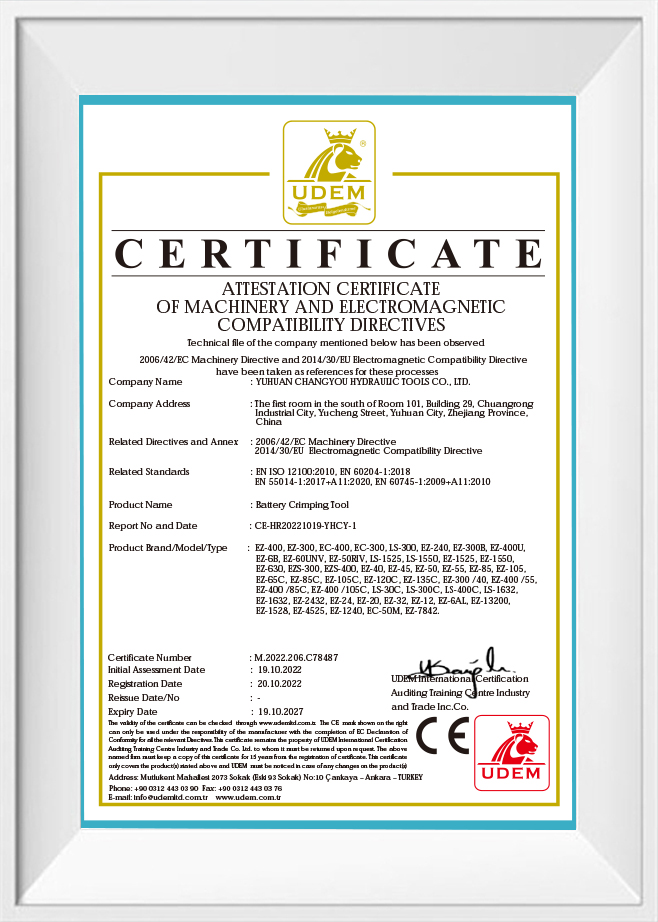
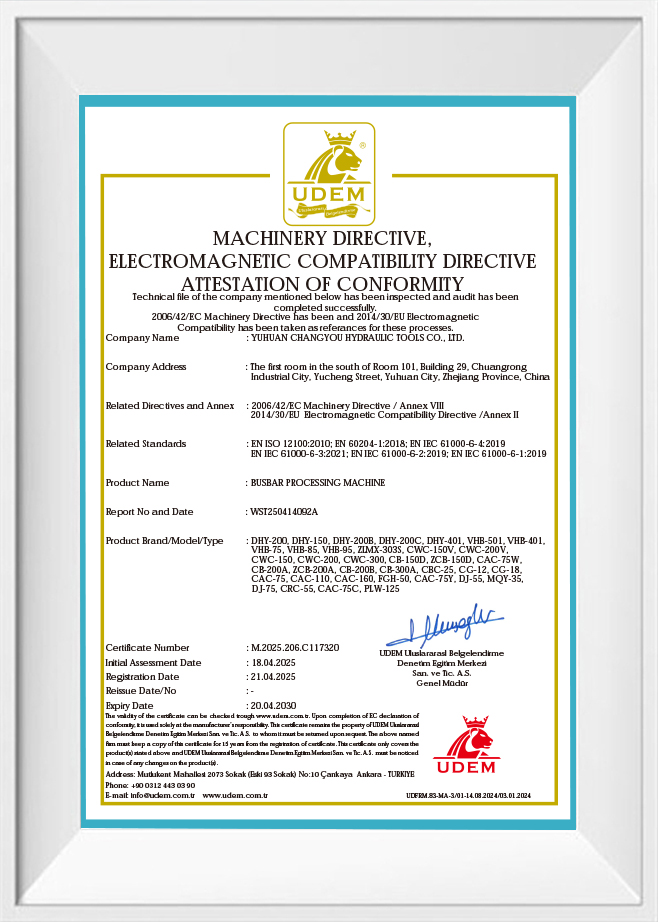
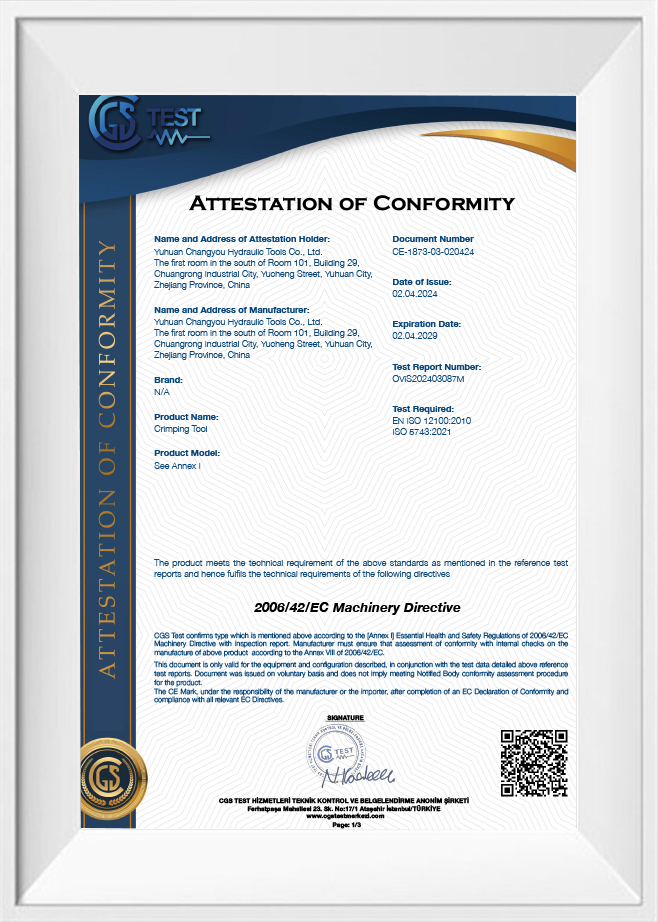
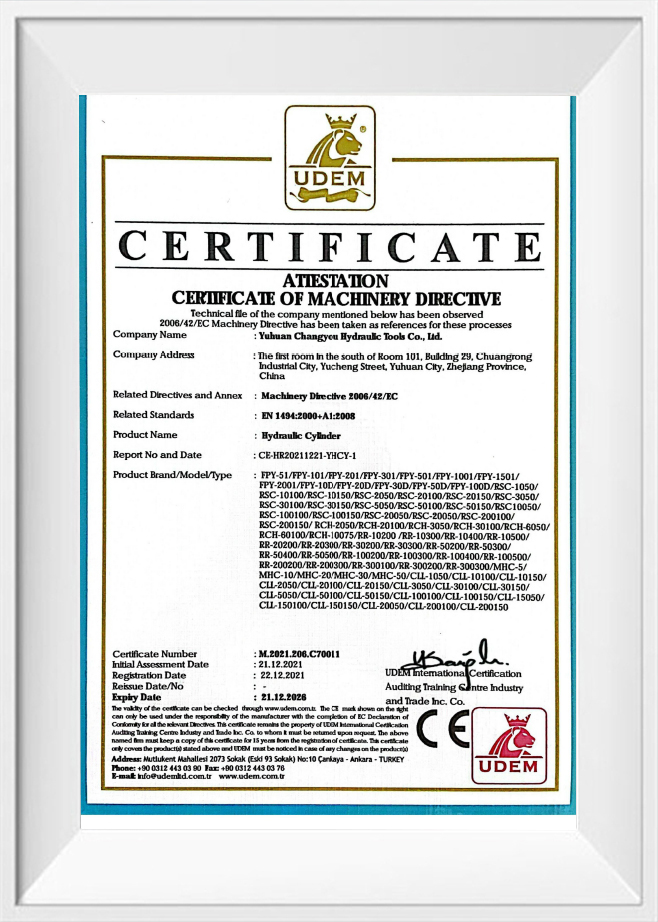
Reliable OEMs provide calibration certificates, inspection protocols, and operational manuals with every tool. This documentation is not paperwork—it's evidence that the tool will perform when the job depends on it.


 English
 Español