What Is A Hydrostatic Test Pump And Its Working?
Hydrostatic test pumps are special devices used in different industries to check the leak-tightness and strength of pressure systems. This equipment is at the heart of the process of how pipelines are certified safe or how pressure vessels are qualified for service.
The basic idea is simple. Fill a component with liquid, pressurise it beyond its normal operating range and watch for pressure drops or visible leaks. But the pumps that do this come in a variety of types, each with its own principle of operation.
What Is a Hydrostatic Test Pump?
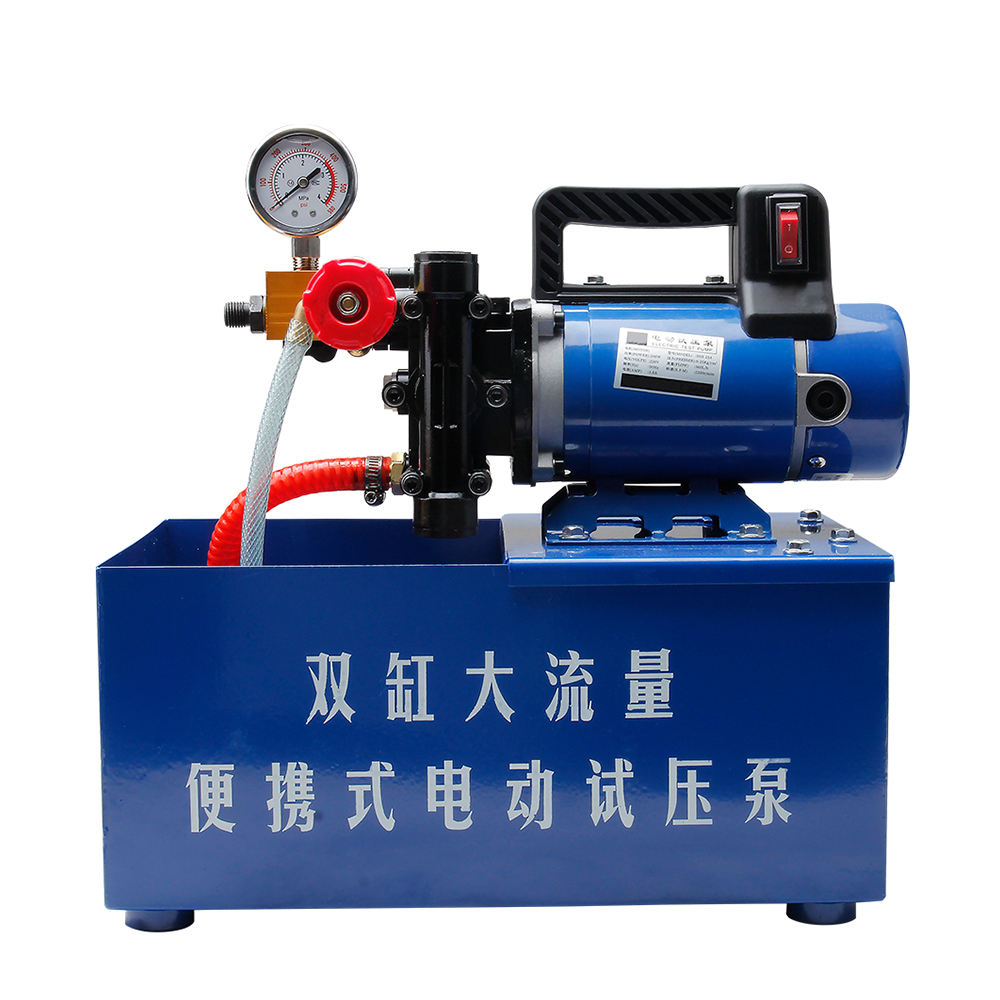
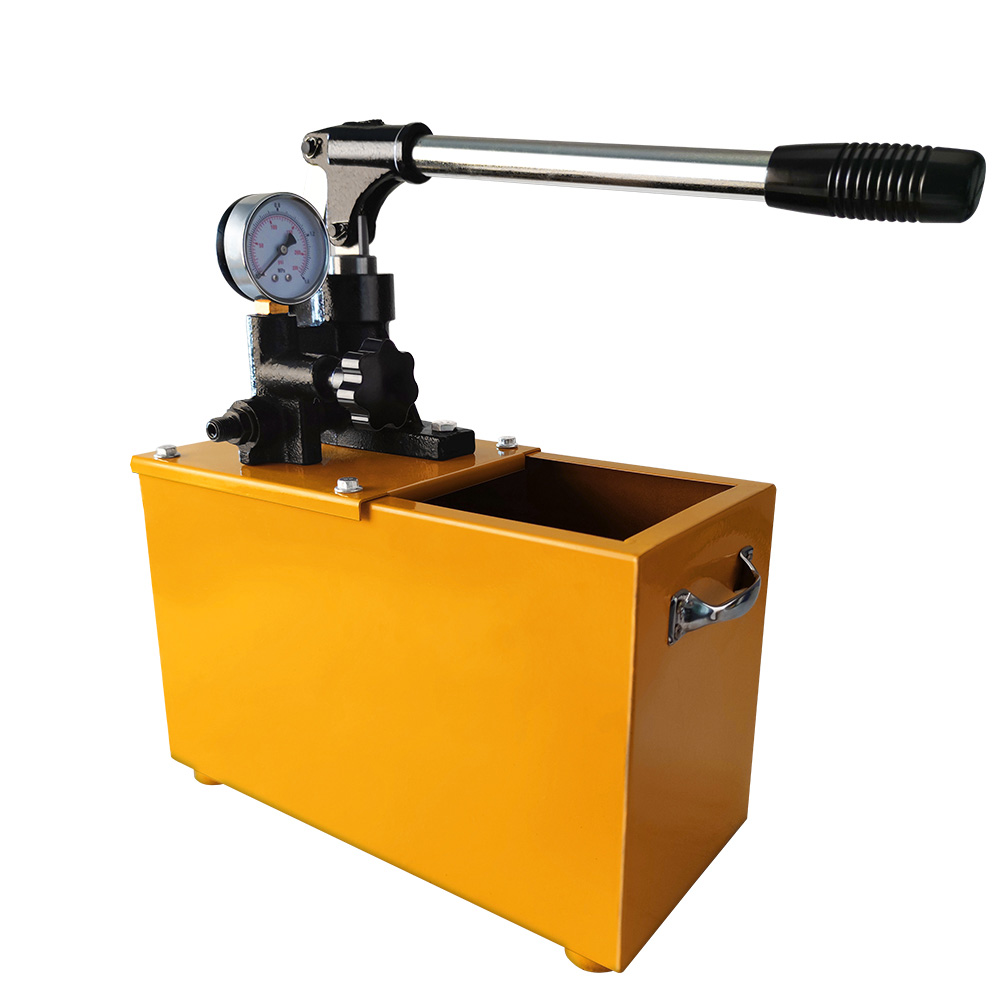
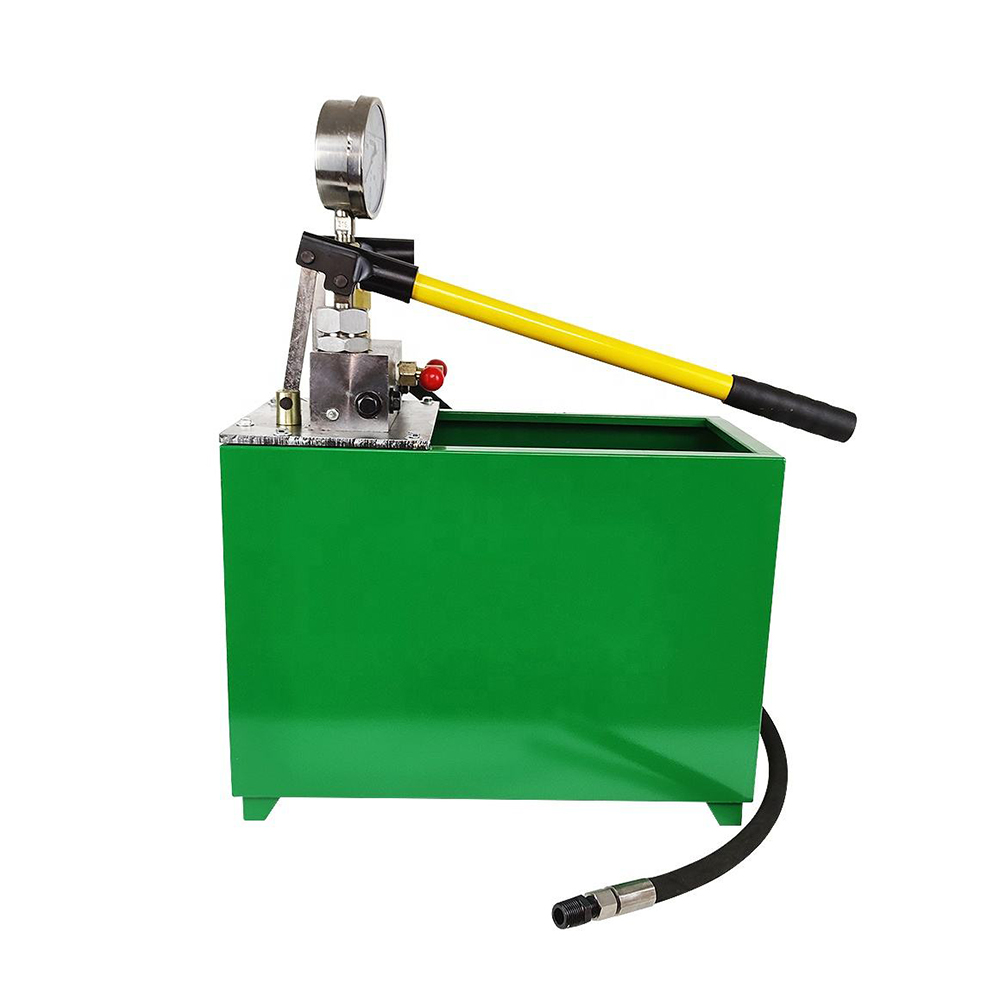
A hydrostatic test pump is a device that generates high liquid pressure to test the strength and leak resistance of pressure systems like pipelines, plumbing systems, pressure vessels, boilers, gas cylinders, and valves. The test involves filling the component with an incompressible fluid—usually water, sometimes dyed for visual leak detection—and pressurizing it to a specified test pressure, typically 150% of the maximum operating pressure.
The goal is twofold: catch manufacturing defects before they become field failures, and re-qualify existing equipment at regular intervals to ensure continued safe operation.
How Does a Hydrostatic Test Pump Work?
The way a Hydrostatic Test Pump works is different for each type of pump. The main idea is the same.
- Pressure Generation: A Hydrostatic Test Pump takes in liquid from somewhere like a tank or a hose. Then it makes the pressure of the liquid really high. This happens because of a pneumatic force that the Hydrostatic Test Pump uses. The pressure that comes out of the Hydrostatic Test Pump can be very different it can be as low as 500 psi. It can be as high as 30,000 psi, which is 2,068 bar or even higher, for special tests that need to be done deep in the ocean for a Hydrostatic Test Pump.
- Application: High-pressure liquid is delivered into the test object through a hose and fittings. The pump continues to run until the target pressure is reached.
- Monitoring: A pressure gauge provides real-time feedback. Once the test pressure is achieved, the system is isolated and held for a set duration to observe any pressure drop—which would indicate a leak.
- Safety and Control: Regulators, relief valves, and bleed valves prevent over-pressurization and allow for safe pressure release after testing.
Key Operating Principle for Air-Driven Pumps
Air-driven liquid pumps—one of the most common types for high-pressure testing—operate on a differential piston principle. Low-pressure compressed air drives a large piston, which in turn drives a smaller hydraulic plunger. The ratio between the air piston and the hydraulic plunger determines the maximum output pressure.
Once the test object is filled and pressurized, the pump naturally slows down and eventually stalls. It holds the set pressure indefinitely without consuming energy or generating heat until the system is released or drive air pressure changes—a feature that makes it ideal for long-duration hydrostatic testing.
Types of Hydrostatic Test Pumps and Their Power Sources
Selecting the right pump comes down to the application, available utilities, and how often you're testing.
| Pump Type |
Power Source |
Typical Pressure Range |
Best Application |
| Manual hand pump |
Human effort |
Up to 3,000–10,000 psi |
Field work where no power is available, occasional testing - |
| Drill-powered pump |
Cordless or electric drill |
Up to 500 psi |
Light to medium field testing, portable general-purpose use - |
| Electric pump |
110V or 220V motor |
Up to 500 psi (common) |
Shop or plant environments, frequent testing, quiet operation - |
| Air-driven pump |
Compressed air (typically 100 psi / 7 bar) |
Up to 10,000–30,000 psi |
High-pressure testing, long hold times, hazardous areas where sparks are a concern -- |
| Gas-powered pump |
Gasoline/diesel engine |
Varies (commonly up to 500 psi) |
Remote field work with no electrical or air supply |
Manual and drill-powered pumps offer budget-friendly portability. Electric pumps provide consistent performance for frequent use. Air-driven pumps excel at extremely high pressures and indefinite pressure holding.


 English
 Español