
 English
 Español
JingShi
JingShi
JingShi
JingShi
JingShi
JingShi
JingShi
JingShi
JingShi
The way professionals handle cable installation and maintenance is changing as power systems, communication networks, and industrial equipment become more advanced. Field technicians are working with larger cable structures, more complex installation environments, and tighter project schedules. These challenges are increasing demand for portable tools that combine strong cutting capability with flexible operation.
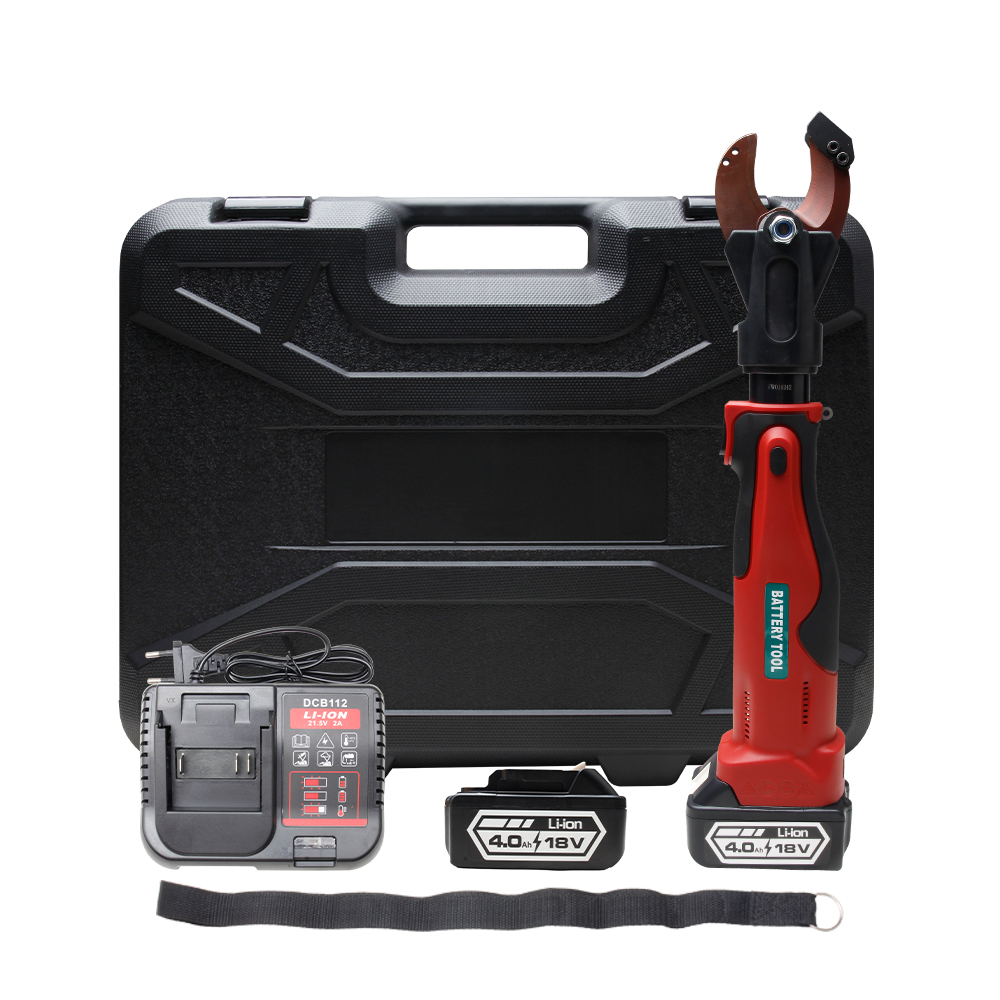
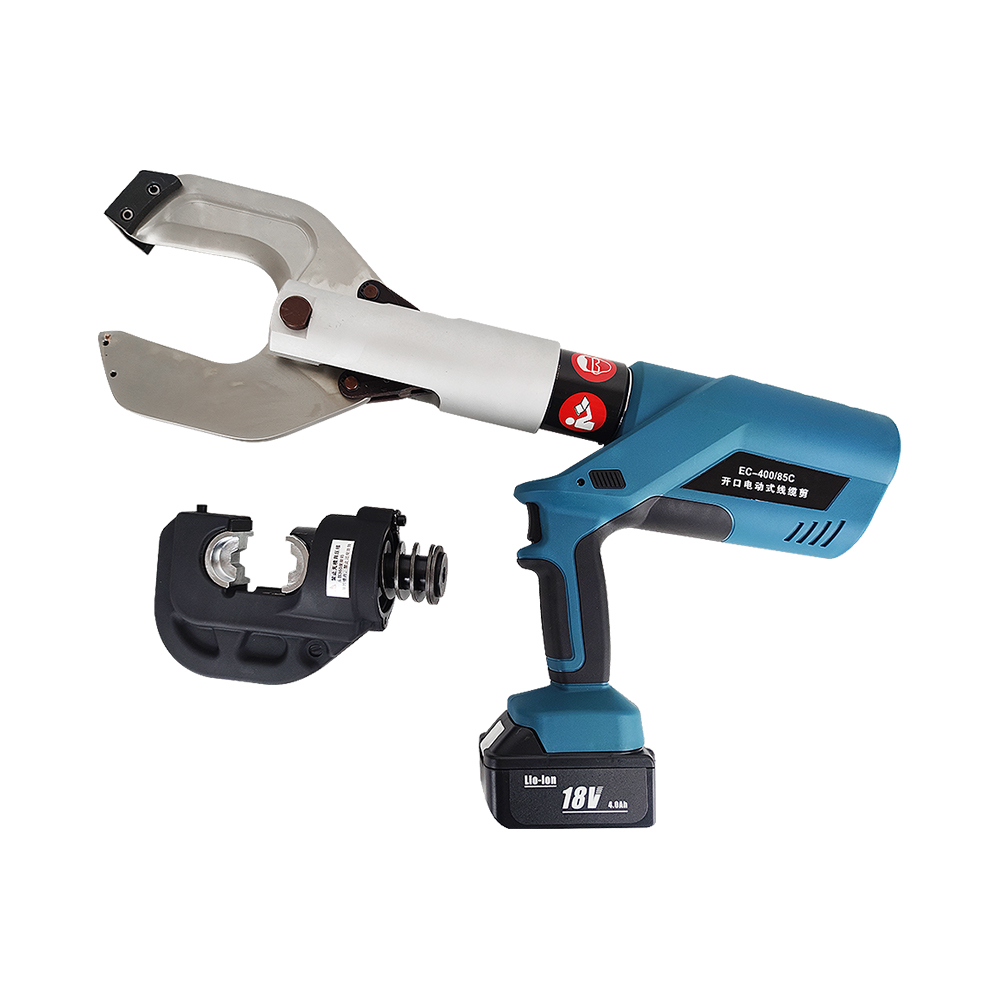
The Battery Powered Hydraulic Cable Cutter has become an important solution for modern field operations because it integrates hydraulic cutting technology with cordless power systems. Unlike traditional manual cutters that depend on physical effort or stationary hydraulic equipment that requires additional power sources, battery hydraulic cutters provide mobility and consistent cutting force at different job locations. Many professional models are designed to cut copper and aluminum cables with diameters ranging from 40 mm to more than 90 mm depending on the tool structure and blade design.
Field Operations Demand More Flexible Cutting Solutions
Electrical contractors, utility workers, and industrial maintenance teams often operate in environments where access to power sources is limited. Remote substations, underground cable networks, construction sites, and emergency repair locations require equipment that can move easily between different working areas.
Traditional cable cutting methods may create several challenges:
- Manual cutting requires greater physical effort for larger cables.
- Corded equipment depends on available electricity at the worksite.
- Large hydraulic systems may be difficult to transport.
- Limited workspace can restrict tool operation.
Battery-powered hydraulic technology addresses these issues by combining a rechargeable battery, hydraulic pump system, and cutting head into a single portable unit. This design allows technicians to complete cable cutting tasks without carrying additional power equipment.
How Battery Hydraulic Cutting Technology Works
A Battery Powered Hydraulic Cable Cutter uses electrical energy from a rechargeable battery pack to drive a hydraulic pump. The pump generates pressure that moves the cutting blades and creates the force required to separate the cable.
The main components usually include:
- Lithium-ion battery system: Provides cordless operation and supports repeated cutting cycles.
- Hydraulic drive unit: Converts motor power into high-pressure cutting force.
- Hardened cutting blades: Designed to handle copper, aluminum, and reinforced cable materials.
- Control system: Manages operation, pressure release, and user safety functions.
Some industrial battery hydraulic cutters use 18V lithium-ion batteries and include pressure control valves, LED work lights, ergonomic handles, and rotating cutting heads to improve flexibility during field applications.
Technical Features Supporting Modern Cable Work
Strong Cutting Capacity for Various Cable Types
Modern electrical projects involve different cable structures, including copper conductors, aluminum cables, communication cables, and reinforced designs. A suitable cutting tool must provide enough force while maintaining a clean cutting process.
Battery hydraulic cutters are available with different cutting ranges. Some compact models handle cable diameters around 50 mm, while larger designs can support cables up to approximately 95 mm depending on the application requirements.
The cutting head design also affects performance. Open-style heads allow technicians to position the tool around existing cables more easily, while rotating heads improve access in narrow working areas.
Cordless Operation Improves Jobsite Mobility
Mobility has become a major factor in field equipment development. A cordless hydraulic cutter removes the need for extension cables, external pumps, or compressed air systems.
This advantage is especially valuable in:
- Outdoor electrical installation projects.
- Emergency cable replacement operations.
- Telecommunication maintenance work.
- Industrial facilities with restricted access areas.
Battery-powered designs also reduce the number of tools and accessories technicians need to transport between locations.
Improved Operator Comfort During Extended Work
Heavy cable cutting tasks can create physical pressure on operators, especially during repeated maintenance operations. Hydraulic assistance reduces the manual force required compared with traditional mechanical cutters.
Manufacturers are adding ergonomic handles, balanced structures, and lightweight materials to improve handling. Some models also include automatic pressure control and safety valves to provide more controlled operation.
Applications Expanding Across Different Industries
Battery hydraulic cutting equipment is becoming useful in many professional fields because of its portability and adaptable performance.
- Power distribution: Used for cutting copper and aluminum conductors during installation and repair work.
- Telecommunication projects: Supports cable modification and replacement tasks.
- Industrial maintenance: Helps technicians manage cable upgrades and equipment replacement.
- Infrastructure construction: Provides portable cutting capability at large project sites.
As electrical networks continue expanding, professionals require tools that can adapt to different cable materials and installation conditions.
Safety Technology Becomes a Key Development Direction
Cable cutting involves high mechanical force, which makes safety features an important part of modern tool design. Advanced battery hydraulic cutters are being developed with systems that help control operation and reduce unexpected movement.
Common safety-related features include:
- Pressure relief systems to prevent excessive hydraulic load.
- Blade locking structures for stable cutting performance.
- Battery protection functions against overload conditions.
- LED lighting for improved visibility in low-light areas.
These features help technicians perform cable cutting work with greater confidence, especially in complex field environments.
Future Trends of Battery Hydraulic Cable Cutting Equipment
The development of cordless hydraulic tools is moving toward smarter control, longer battery performance, and broader application compatibility.
- Digital monitoring: Future tools may provide more operation data through connected systems.
- Higher battery capacity: Improved energy storage technology can support longer working periods.
- More compact structures: New designs aim to reduce weight while maintaining cutting force.
- Expanded material compatibility: Cutting systems may support a wider range of cable constructions.
Battery Hydraulic Technology Supports the Next Stage of Field Work
The increasing complexity of electrical and industrial systems requires tools that provide both performance and flexibility. Battery hydraulic cutting technology represents a shift from traditional cable preparation methods toward more mobile and adaptable solutions.
The Battery Powered Hydraulic Cable Cutter combines hydraulic force, cordless operation, and practical field design to support modern installation and maintenance demands. As industries continue developing larger networks and more challenging work environments, this type of equipment will remain an important tool for professionals who need reliable cutting performance wherever the job takes place.