
 English
 Español
JingShi
JingShi
JingShi
JingShi
JingShi
JingShi
JingShi
JingShi
JingShi
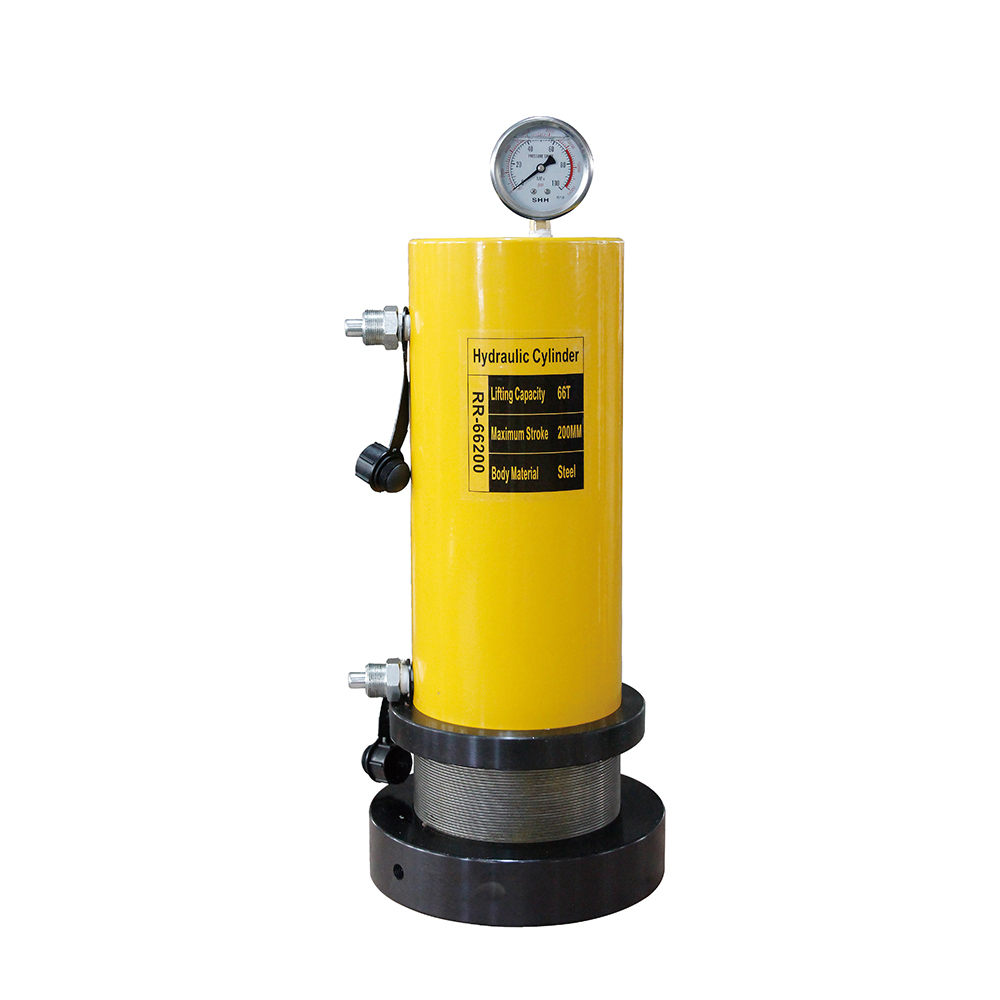
Compact lifting equipment is becoming increasingly important across construction, maintenance, transportation, and industrial repair industries. As work environments become more restricted, operators need lifting solutions that provide strong force output while maintaining a smaller footprint. This changing demand has increased interest in the Single Acting Hydraulic Cylinder Jack, a hydraulic lifting device designed for applications that require controlled upward movement and reliable load support.
Unlike larger lifting systems that require complex hydraulic circuits, single acting designs use hydraulic pressure to extend the piston in one direction, while the return movement is completed through gravity, spring force, or an external load. This simple operating structure makes them suitable for compact lifting tasks where space, portability, and straightforward operation are important considerations.
From equipment positioning to industrial maintenance, single acting hydraulic jacks are becoming a practical option for professionals who need dependable lifting performance without using oversized machinery.
Compact Equipment Creates New Lifting Challenges
Modern industrial environments are changing rapidly. Workshops, construction sites, and maintenance areas often require tools that can operate in limited spaces while still handling demanding loads.
Several application trends are influencing the development of compact hydraulic lifting equipment:
- Smaller maintenance areas inside factories and mechanical rooms.
- Growing demand for portable lifting solutions.
- More frequent equipment repair operations in remote locations.
- Need for controlled lifting during installation and positioning work.
Traditional lifting equipment may provide high capacity but can be difficult to transport or install in narrow environments. Compact hydraulic solutions help bridge this gap by delivering strong lifting force through a relatively small structure.
Understanding Single Acting Hydraulic Cylinder Jack Technology
A Single Acting Hydraulic Cylinder Jack operates through a one-direction hydraulic mechanism. Hydraulic fluid enters the cylinder chamber and pushes the piston outward, creating lifting movement. After pressure release, the piston returns through gravity, spring assistance, or another external force depending on the design.
The basic structure usually includes:
- Hydraulic cylinder body: Provides the chamber where fluid pressure generates movement.
- Piston and rod assembly: Transfers hydraulic pressure into mechanical lifting force.
- Hydraulic inlet port: Allows pressurized oil to enter the cylinder.
- Return mechanism: Enables the piston to retract after lifting operation.
This simplified configuration reduces system complexity and makes single acting hydraulic designs suitable for many lifting and positioning applications.
Technical Features Supporting Compact Lifting Work
The performance of a hydraulic jack depends on several technical factors, including pressure rating, stroke length, cylinder diameter, and material construction.
High Force Output From Small Structures
Hydraulic systems generate force by applying pressure over the piston area. Even compact cylinders can provide significant lifting capability when designed with suitable bore dimensions and working pressure.
Many industrial single acting cylinders operate around 700 bar (10,000 psi) pressure ratings, with capacities ranging from small maintenance tools to heavy-duty lifting systems. Some industrial models are designed for lifting capacities from several tons to hundreds of tons depending on their structure and application.
Low-Height Designs for Restricted Spaces
One important development trend is the increasing use of low-profile hydraulic cylinders. These designs allow operators to place lifting equipment beneath machinery, vehicles, or structural components where working height is limited.
Flat hydraulic cylinders and compact jacks are commonly used for lifting, pushing, leveling, and positioning tasks in areas where traditional equipment cannot easily access.
Durable Construction Materials
Industrial lifting tools often operate under heavy loads, requiring strong materials and reliable sealing systems. Common design features include:
- High-strength steel cylinder bodies.
- Hardened piston rods with corrosion-resistant surfaces.
- Reinforced hydraulic seals for pressure retention.
- Protective structures against dust and workplace contamination.
Applications Expanding Beyond Traditional Repair Work
Single acting hydraulic jacks are no longer limited to basic lifting tasks. Their compact design allows them to support a wider range of industrial operations.
- Machine installation: Used for positioning heavy equipment during setup and adjustment.
- Vehicle maintenance: Helps raise components during repair operations.
- Construction projects: Supports lifting, leveling, and structural adjustment tasks.
- Industrial assembly: Provides controlled movement for component alignment.
Because these tools can be paired with manual pumps, electric pumps, or other hydraulic power sources, they offer flexibility across different working environments.
Safety Factors Become More Important in Modern Lifting
As lifting applications become more specialized, correct operation becomes essential. Hydraulic lifting equipment must always match the load requirement and working conditions.
Operators usually consider several points before using a hydraulic cylinder jack:
- Rated lifting capacity of the cylinder.
- Required stroke length for the application.
- Stability of the lifting surface.
- Proper alignment between the jack and the load.
Single acting cylinders are designed to provide lifting force in one direction, meaning they should not be used as structural supports unless the system is specifically designed for that purpose. Proper positioning and load control remain important parts of safe hydraulic operation.
Future Trends in Compact Hydraulic Lifting Solutions
The next generation of hydraulic lifting tools is expected to focus on improving portability, durability, and operating convenience. As industries continue searching for flexible equipment, compact hydraulic systems will continue developing around practical field requirements.
- Smaller footprints: New designs aim to provide strong lifting capability while reducing overall size.
- Improved portability: Lightweight structures help technicians move equipment between job locations.
- Enhanced durability: Better materials and sealing technologies improve service life.
- Flexible hydraulic integration: Tools can be adapted for different pumps and systems.
Compact Hydraulic Power Supports Modern Industry
As industrial operations become more mobile and space limitations increase, compact lifting equipment will continue playing an important role. The Single Acting Hydraulic Cylinder Jack provides a practical balance between lifting capability, simple operation, and installation flexibility.
From equipment maintenance to construction adjustment tasks, this hydraulic solution helps professionals handle lifting challenges in environments where larger systems may not be suitable. With continued improvements in materials and design, single acting hydraulic technology will remain a valuable part of modern lifting applications.