
 English
 Español
JingShi
JingShi
JingShi
JingShi
JingShi
JingShi
JingShi
JingShi
JingShi
Battery lugs may look similar from the outside, yet their crimping requirements can vary with cable size, lug material, wall thickness, and terminal design. This raises an important product question: does every battery lug need the same amount of compression?
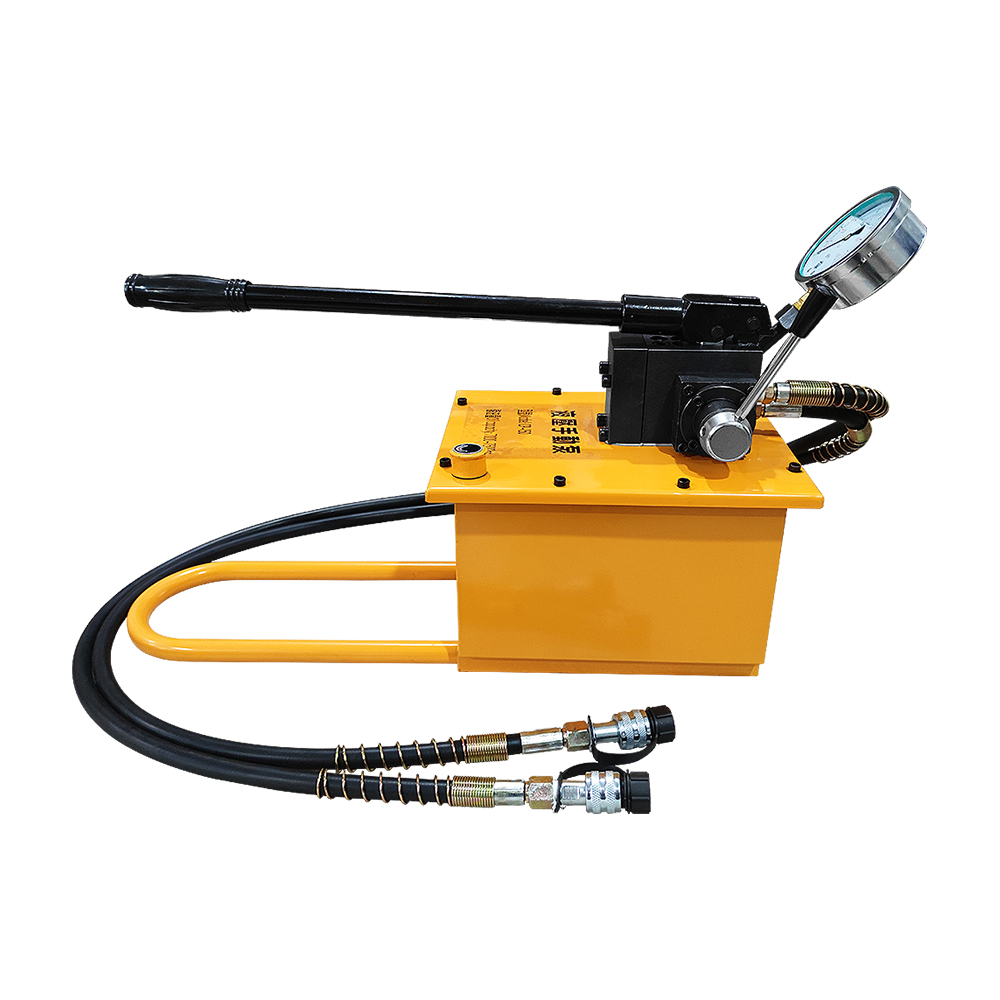
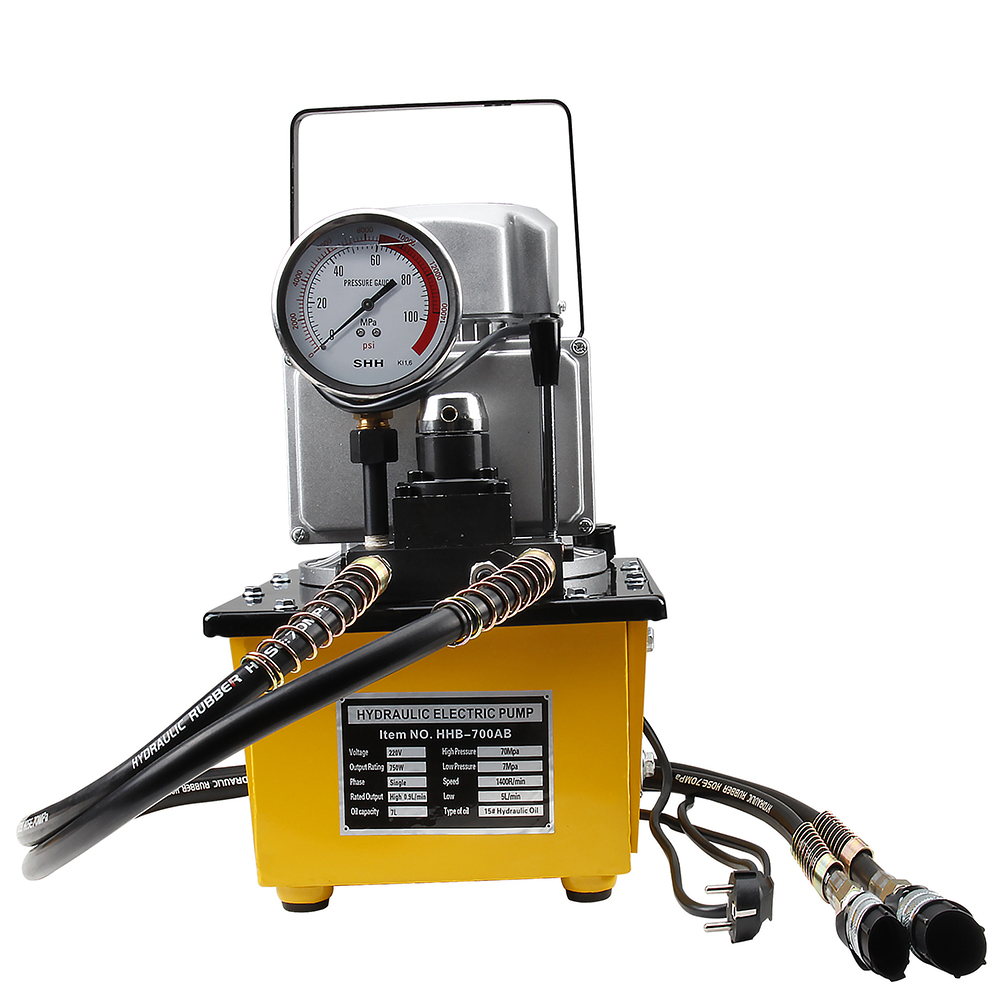
Not necessarily. A hydraulic battery terminal crimper needs to deliver enough force for the specific lug and cable combination, while the selected die controls how that force is distributed around the terminal. Higher hydraulic force does not automatically mean a better connection.
Cable Size Changes the Force Requirement
Large battery cables generally require a different crimping setup from small conductors. As conductor cross-section increases, the terminal and ferrule dimensions usually increase as well.
- Small cables: Applications around 10–12 AWG can use relatively compact hydraulic systems.
- Medium cables: 2 AWG through 2/0 cables require larger dies and greater compression capacity.
- Large battery cables: 4/0 AWG and larger conductors may require substantially higher hydraulic output.
- Industrial cable: Some tools extend into the 300–400 mm² range or beyond.
Published specifications illustrate this variation. One hydraulic battery cable crimper provides 5 US tons of force across a 12 AWG–2/0 range, while another model offers 12 US tons for 4 AWG–750 MCM applications.
Lug Material Can Change the Crimping Behavior
Copper and aluminum lugs do not necessarily respond identically to compression. Material properties, wall thickness, and terminal construction affect how the lug deforms around the conductor.
Some hydraulic crimpers are specified for both copper and aluminum terminals, while their die charts distinguish different conductor sizes for each material. One published 12-ton system, for example, covers copper conductors from 25 to 400 mm² and aluminum conductors from 16 to 300 mm².
Such specifications show why cable area alone does not provide enough information for choosing a crimping force.
Die Size Controls Compression
Force and die size work together. The hydraulic mechanism supplies the compression force, while the die determines the physical area receiving that force.
- Matched die: Fits the specified cable and lug dimensions.
- Oversized die: May leave insufficient compression around the conductor.
- Undersized die: Can apply excessive deformation to the terminal.
- Special-size die: Can accommodate terminals outside standard dimensions when the crimper supports the required tooling.
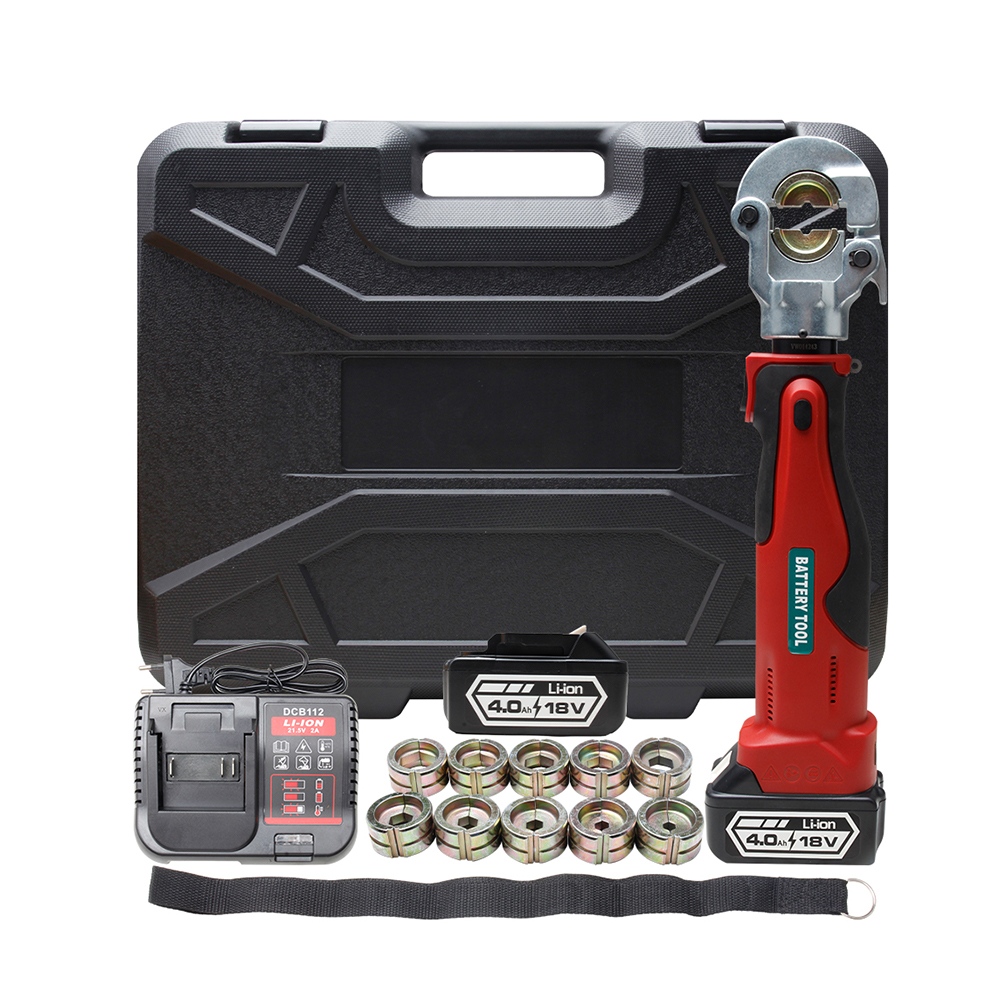
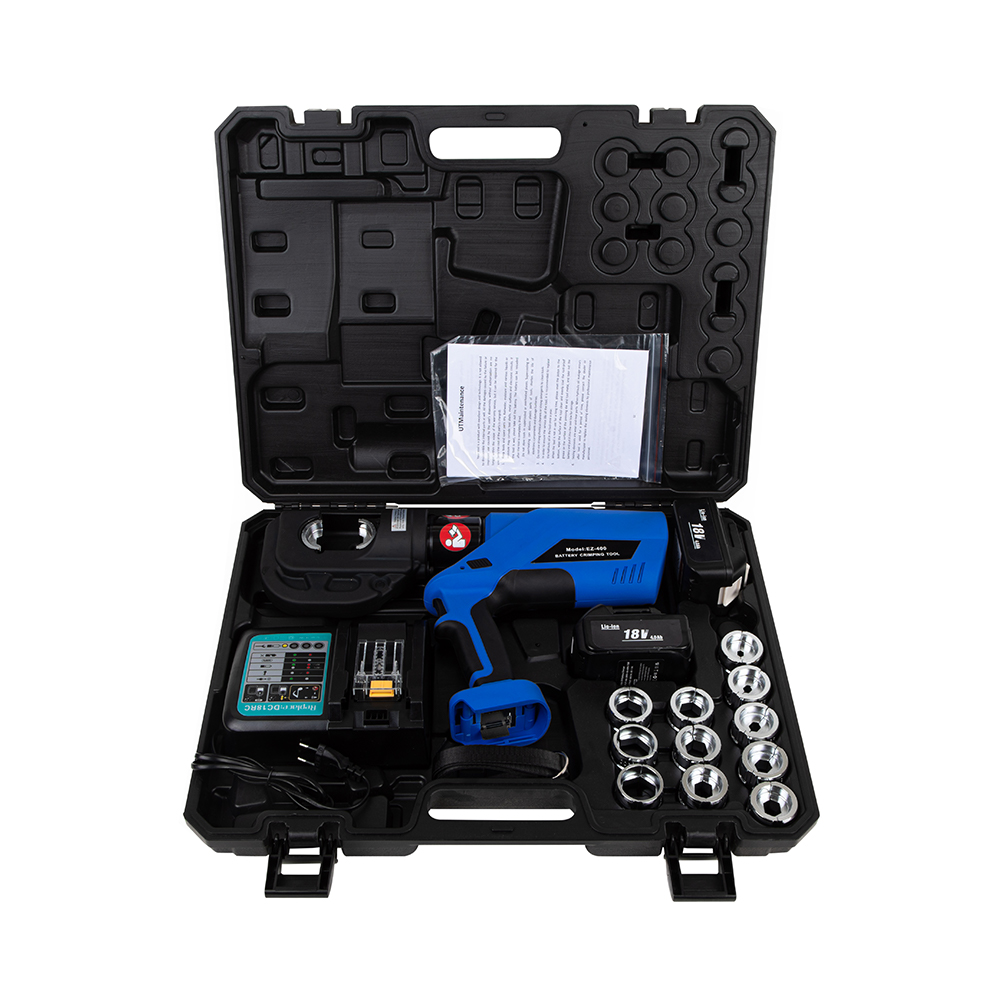
Some battery cable crimpers provide numerous interchangeable dies. One published 5-ton system includes standard dies covering 12, 10, 8, 6, 4, 2, 1, 1/0, and 2/0 AWG, plus additional sizes intended for non-standard terminals.
Does Higher Force Always Mean Better?
More hydraulic force provides greater capacity, but it should match the terminal specification rather than simply exceed it by a large margin.
Excessive compression can deform the lug beyond its intended shape, while insufficient compression may leave the conductor inadequately secured. Correct die geometry and the specified crimp profile therefore matter alongside the nominal tonnage.
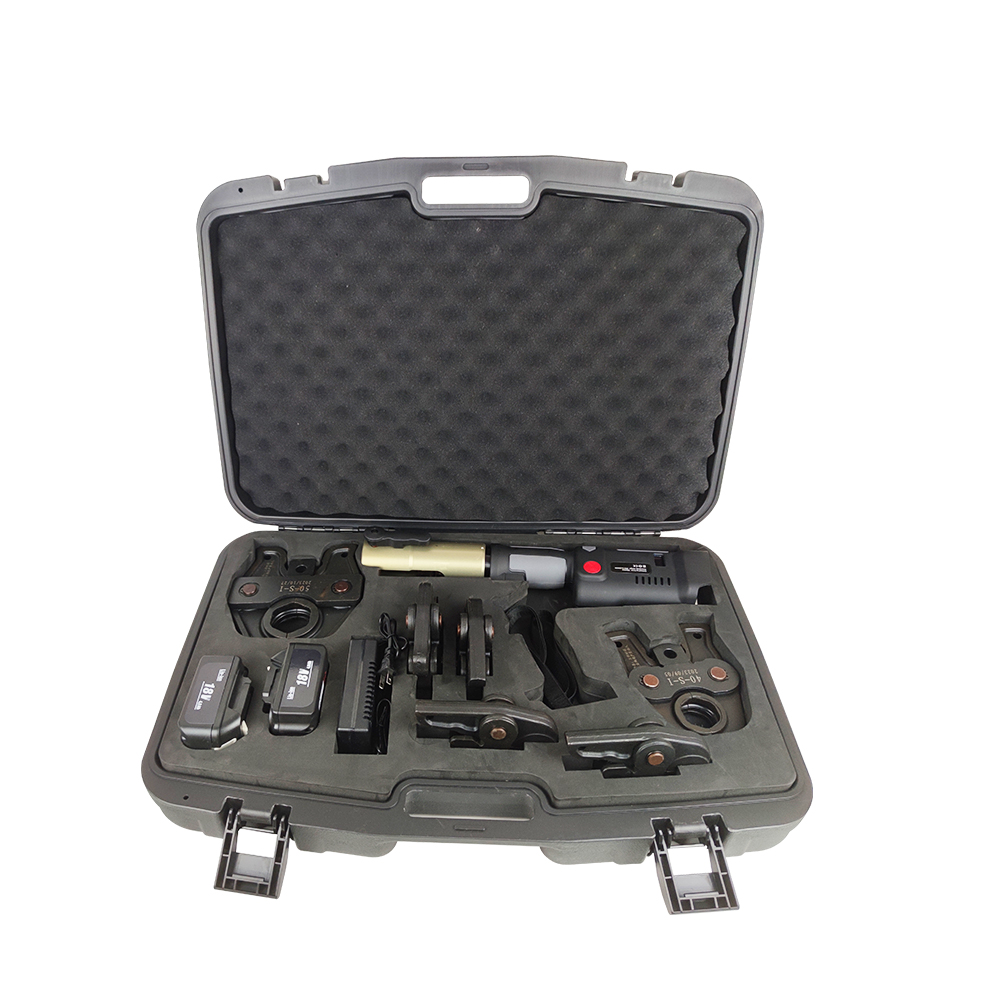
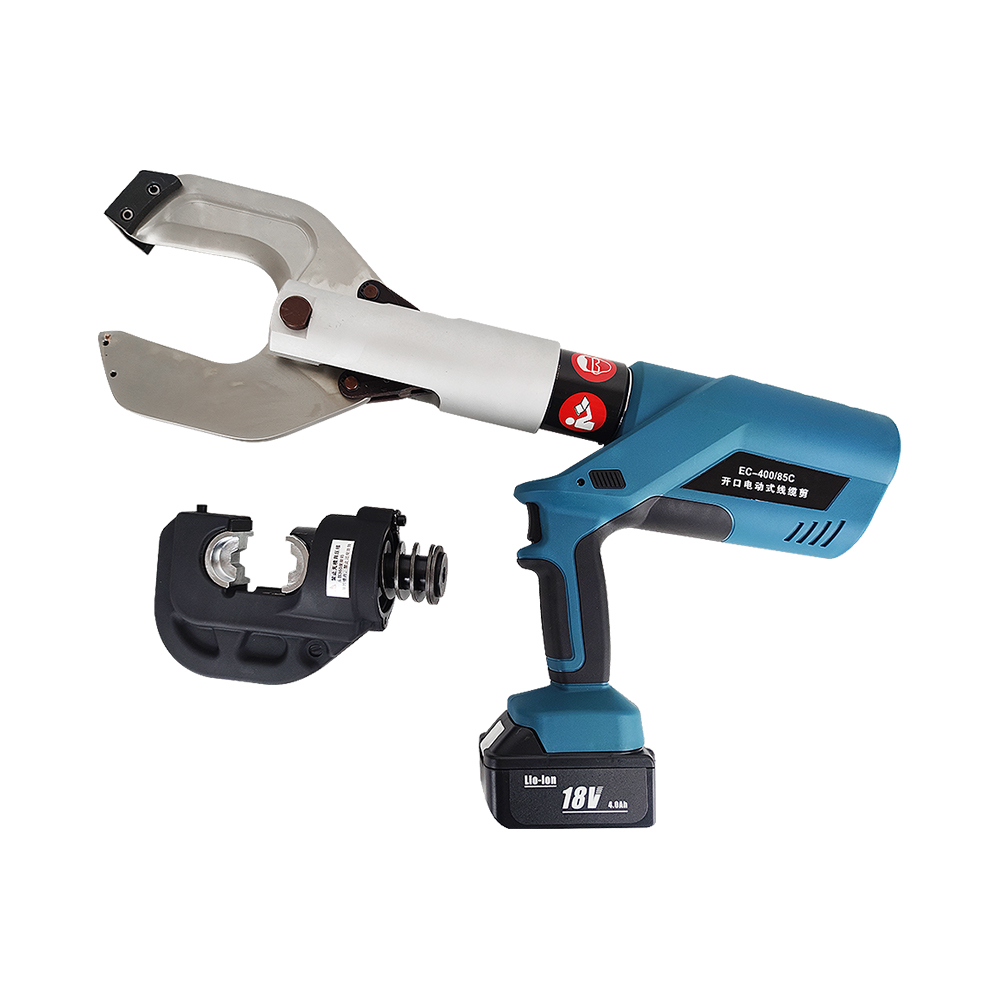
Modern hydraulic systems can also use controlled compression. One battery-powered hydraulic crimper, for example, provides 63 kN of force and uses adaptive control to adjust the crimping force according to connector cross-section before stopping the cycle at the required position.
Hex Crimping Creates Another Variable
Battery lugs are commonly associated with hexagonal compression, but different tools can support different die configurations. The finished crimp shape affects how compression is distributed around the conductor.
One published hydraulic cable lug system provides 16 tons of force, an 11-pair die set, and a 16–320 mm² crimping range. Its die sizes include 16, 25, 35, 50, 70, 95, 120, 150, 185, 240, and 300 mm².
Such a broad die range allows the same hydraulic battery terminal crimper to handle multiple cable sizes without treating every terminal as though it requires identical compression.
What Should Users Match?
Force should be evaluated together with several other specifications:
- Cable cross-section: Check AWG or mm² rather than judging the cable by appearance.
- Lug material: Confirm compatibility with copper, aluminum, or the specified terminal material.
- Die dimensions: Match the die to the terminal and conductor specification.
- Crimp profile: Verify whether hexagonal or another compression profile is required.
- Hydraulic output: Ensure the tool provides the force required by the application.
- Terminal specification: Follow the applicable lug manufacturer's crimp requirements.
One Force Level Does Not Fit Every Lug
Battery lugs do not necessarily need the same crimping force. Small conductors, large battery cables, copper terminals, aluminum terminals, thin-wall lugs, and heavy-duty terminals can require different tooling combinations.
The practical role of a hydraulic battery terminal crimper is therefore not simply to generate high force. A suitable system combines the required hydraulic output with the correct die size and crimp profile. Matching those elements gives users a more reliable way to evaluate battery cable crimping equipment than looking at tonnage alone.