
 English
 Español
JingShi
JingShi
JingShi
JingShi
JingShi
JingShi
JingShi
JingShi
JingShi
Battery compatibility is an important consideration for buyers purchasing portable hydraulic equipment. A pump may offer the required pressure and oil flow, but an incompatible battery, charger, or electrical configuration can create problems during operation and procurement. At Changyou, we encourage distributors, contractors, and industrial buyers to review the complete power configuration alongside the hydraulic specifications before confirming an order.
A portable battery powered hydraulic pump provides hydraulic power without requiring a permanent electrical connection. This configuration is useful for field service, construction, cable processing, and other applications where equipment needs to move between work locations. Reviewing several key details helps buyers determine whether a pump fits their existing equipment and operating requirements.
1. Confirm Battery Voltage and Electrical Compatibility
Battery voltage is a key specification, but matching voltage alone does not guarantee compatibility. Buyers should check the battery model, connector design, electrical requirements, and the manufacturer's approved battery configuration.
- Rated voltage: Verify that the battery matches the pump's specified voltage. Do not substitute a battery based only on physical size or connector similarity.
- Battery capacity: Capacity, expressed in amp-hours (Ah), helps indicate how much charge a battery stores. Actual operating duration also depends on hydraulic load and operating cycles.
- Battery type: Confirm the supported battery chemistry and model, including any requirements for battery management or protection systems.
- Connector design: Check that the battery connects securely and is approved for the selected pump.
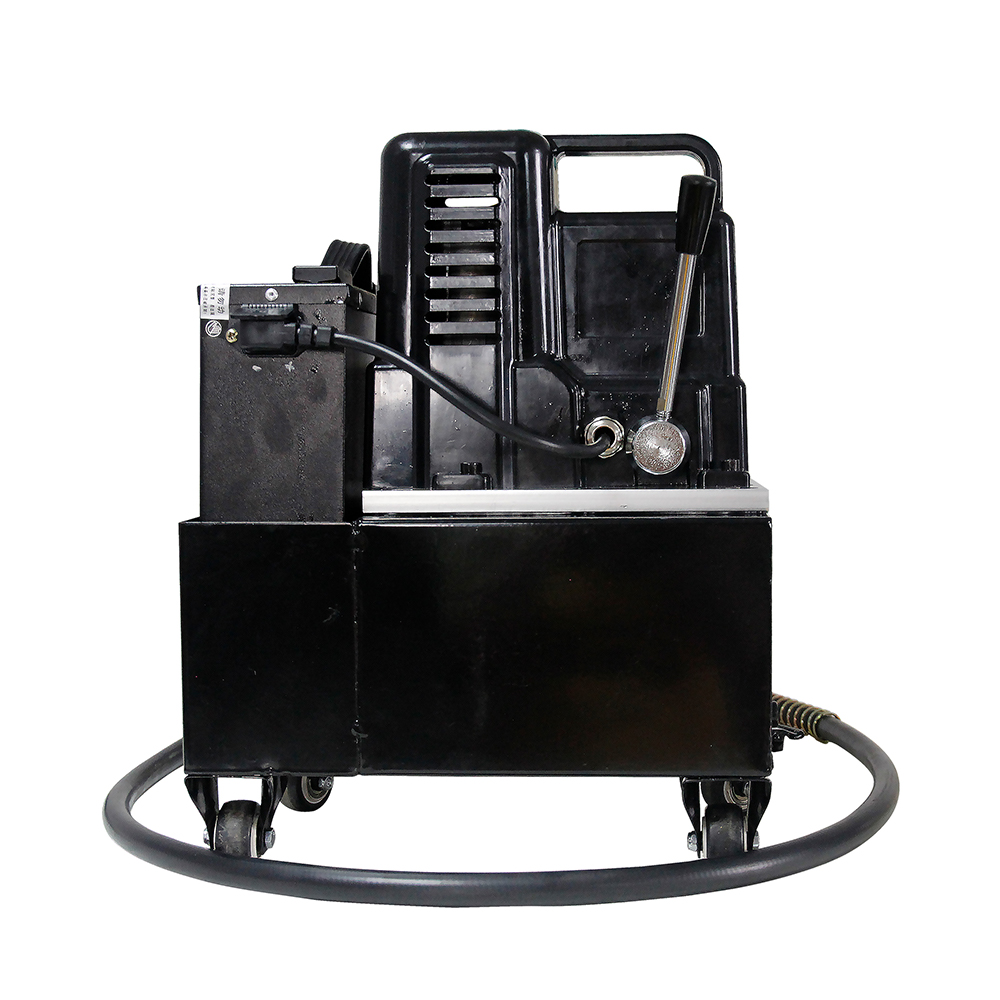
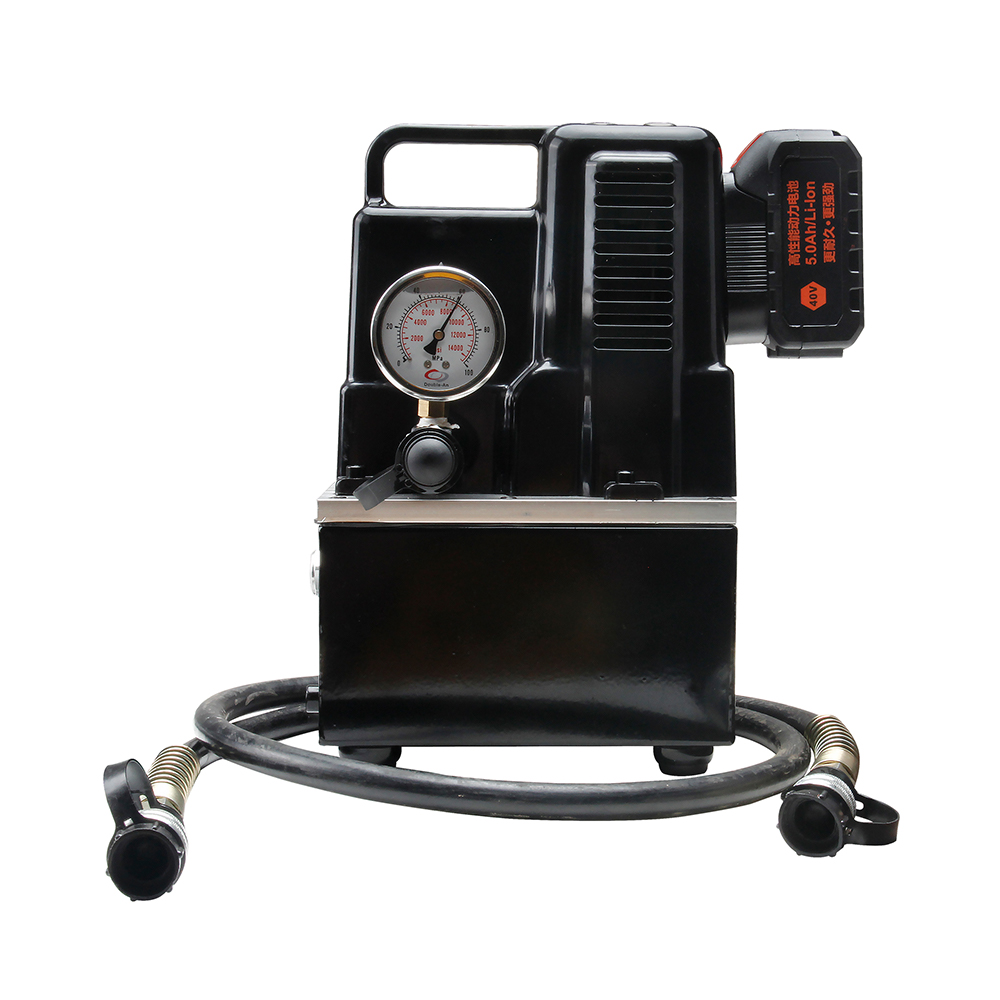
For example, Changyou's QQ-630B battery hydraulic pump is specified with a 40 V battery and 5.0 Ah capacity. Buyers should use these published specifications when checking the supplied battery configuration rather than assuming that another battery with a similar appearance will work.
2. Check the Battery and Charger Package
Product quotations may differ in the accessories included. A pump supplied without a battery or charger can require additional purchasing arrangements before it is ready for use.
- Confirm whether the quotation includes the battery pack and compatible charger.
- Check the charger's input voltage and plug configuration for the destination market.
- Ask about charging time and the availability of replacement batteries.
- Review whether spare batteries are required for extended field operations.
At Changyou, we recommend confirming the complete supply configuration before order approval. This makes it easier for purchasing teams to compare quotations and identify any accessories that need to be ordered separately.
3. Match Battery Capacity to Hydraulic Performance
Battery capacity should be considered alongside the pump's working pressure, oil flow, and expected workload. A larger capacity does not automatically guarantee a particular number of operating cycles, because hydraulic resistance and operating conditions influence energy consumption.
The QQ-630B provides a practical example of the specifications buyers should review:
- Battery voltage: 40 V
- Battery capacity: 5.0 Ah
- High-pressure rating: 70 MPa
- High-pressure flow: 0.6 L/min
- Low-pressure rating: 5 MPa
- Low-pressure flow: 3.5 L/min
- Oil reservoir capacity: 2 L
These figures describe different aspects of hydraulic performance. Buyers should assess them together and confirm that the pump meets the requirements of the connected cylinder or hydraulic tool.
4. Verify Hydraulic Connections and Control Requirements
Battery compatibility is only one part of system integration. The pump must also match the hydraulic equipment it operates.
- Working pressure: Confirm that the pump and all connected components are rated for the required pressure.
- Oil flow: Compare the pump's flow specifications with the operating requirements of the connected tool.
- Valve configuration: Verify whether the application requires a single-acting or double-acting hydraulic circuit.
- Hose and couplers: Confirm fitting types, pressure ratings, and connection dimensions.
Providing the connected equipment model and its technical requirements allows our team to review these details before an order is finalized.
5. A Practical Checklist Before Ordering
Changyou recommends using the following checklist during supplier communication and quotation review:
- Battery voltage and approved battery model are confirmed.
- Battery capacity suits the intended workload.
- The quotation clearly identifies included batteries and chargers.
- Hydraulic pressure, oil flow, and reservoir capacity meet application requirements.
- Hoses, couplers, and valve configurations match the connected equipment.
- Replacement battery availability and charging arrangements have been reviewed.
Work with Changyou on Your Hydraulic Pump Requirements
At Changyou, we supply hydraulic tools and pump solutions for industrial users, contractors, and distributors. Our team can help buyers review product specifications, battery configurations, hydraulic connections, and accessory requirements before purchasing.
Share your application details and required hydraulic parameters with Changyou to discuss a suitable pump configuration. A clear review of battery compatibility and system requirements helps your purchasing team make an informed decision and prepare the equipment for its intended application.