
 English
 Español
JingShi
JingShi
JingShi
JingShi
JingShi
JingShi
JingShi
JingShi
JingShi
Copper and aluminum cables serve different electrical and industrial applications, but their cutting requirements cannot be judged by conductor material alone. Cable diameter, conductor structure, insulation, armor, and installation conditions all influence the tool specification required for a job. At Changyou, we help professional buyers, electrical contractors, distributors, and industrial equipment purchasers evaluate these factors before ordering hydraulic cutting tools.
Our approach to choosing a hydraulic cable cutter for copper aluminum applications starts with the actual cable construction and the manufacturer's rated cutting range. A tool advertised for copper and aluminum conductors may have different limits for armored cables or aluminum conductor steel-reinforced (ACSR) cables. Understanding these distinctions helps buyers match tool capabilities to project requirements and avoid specification gaps during procurement.
1. Copper and Aluminum Cables Require Different Evaluation Criteria
Copper and aluminum differ in physical properties, but these differences do not provide enough information to determine a cutter's capacity. Cable construction and the cutting head's design must also be considered.
- Copper cables: Commonly used in electrical distribution, industrial wiring, machinery, and building installations. Buyers should identify the conductor diameter, cable structure, and whether insulation or protective layers are included in the overall size.
- Aluminum cables: Frequently used in power distribution and utility applications. Their outer diameter and conductor arrangement can differ considerably between cable designs, so the material name alone does not establish the required cutting capacity.
- Armored cables: Include protective layers that affect cutting resistance. A cutter rated for an unarmored copper or aluminum cable should not automatically be considered suitable for an armored version.
- ACSR cables: Combine aluminum conductors with a steel reinforcing core. Buyers need to confirm that the tool is specifically rated for this cable construction rather than relying on an aluminum cable specification.
At Changyou, we recommend providing the complete cable description during product inquiries. Material, outside diameter, construction type, and intended application give us a clearer basis for discussing compatible models.
2. Cutting Diameter Matters More Than a General Material Label
Rated cutting diameter is a key specification to check before placing an order. Two cables made with the same conductor material may require different tools because their insulation, armor, or overall dimensions differ.
Buyers should distinguish between conductor cross-sectional area and cable outside diameter. Cross-sectional area is commonly expressed in square millimeters (mm²), while cutting capacity is often expressed as a diameter in millimeters (mm). These measurements describe different characteristics and should not be treated as interchangeable.
- Record the cable's outside diameter, including insulation and armor where applicable.
- Confirm whether the published cutting range applies to copper, aluminum, armored cable, or ACSR.
- Check the manufacturer's stated limits for the exact tool model.
- Discuss unusual cable profiles or nonstandard constructions with our technical team before ordering.
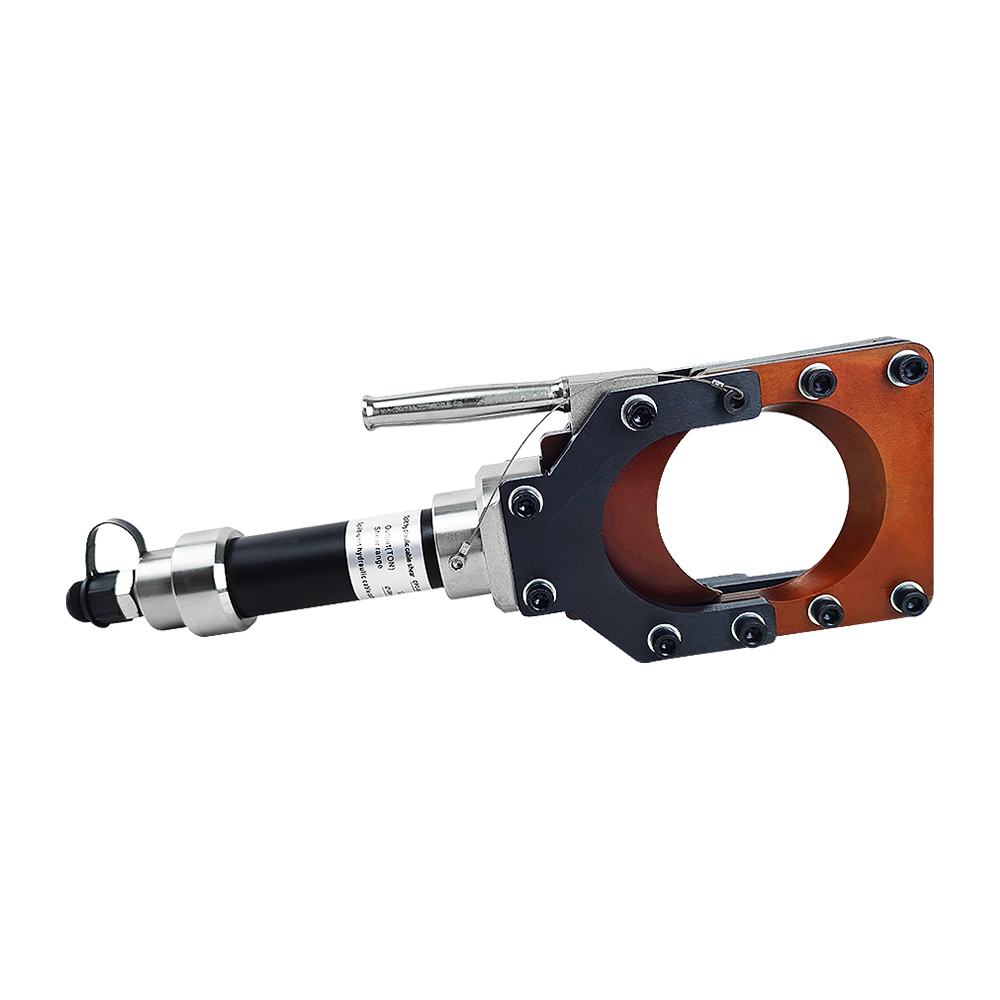
For example, Changyou's 300/400 Series 2-in-1 Hydraulic Cable Cutter and Crimper includes models with different cutting ranges. The EZ-40 is rated for cable up to φ40 mm, while the EZ-55 is rated for cable up to φ58 mm. These specifications illustrate why model-level verification is necessary even within a single product family.
3. Cutting Force and Rated Pressure Must Be Considered Together
Hydraulic tools use pressurized fluid to generate cutting force. However, a higher force rating does not automatically mean that a particular tool can cut every cable of a given diameter. The cutting head, blade geometry, hydraulic mechanism, and approved application range all contribute to the tool's actual capability.
Our buyers should review the following specifications as a group rather than evaluating a single number in isolation.
- Cutting force: Indicates the force generated by the tool under its specified operating conditions.
- Rated hydraulic pressure: Identifies the pressure specification associated with the hydraulic system. It should be interpreted according to the manufacturer's technical documentation.
- Cutting head design: Determines how the cable is positioned and supported during the cutting process.
- Blade compatibility: Affects suitability for the specified cable construction and cutting application.
As an example, the EZ-300/65C model in our 300/400 Series has a published cutting force of 60 kN and a rated pressure of 70 MPa. Its stated cutting range covers copper and aluminum armored cables below 65 mm. Buyers should use the complete specification rather than treating the force or pressure rating as a standalone indicator of cutting capacity.
4. How Should Buyers Compare Cutter Ratings?
A structured comparison makes it easier for procurement teams to review supplier quotations and identify technical differences between proposed models. At Changyou, we encourage buyers to prepare a basic specification sheet before requesting a quotation.
| Evaluation Item | Information to Confirm | Procurement Purpose |
| Cable material | Copper, aluminum, or ACSR | Establishes material compatibility |
| Cable construction | Unarmored, armored, or reinforced | Identifies the relevant cutting application |
| Outside diameter | Actual cable diameter in mm | Checks the required cutting range |
| Cutting force | Rated force in kN | Supports technical comparison between models |
| Hydraulic pressure | Published rated pressure in MPa, where applicable | Helps verify hydraulic specifications |
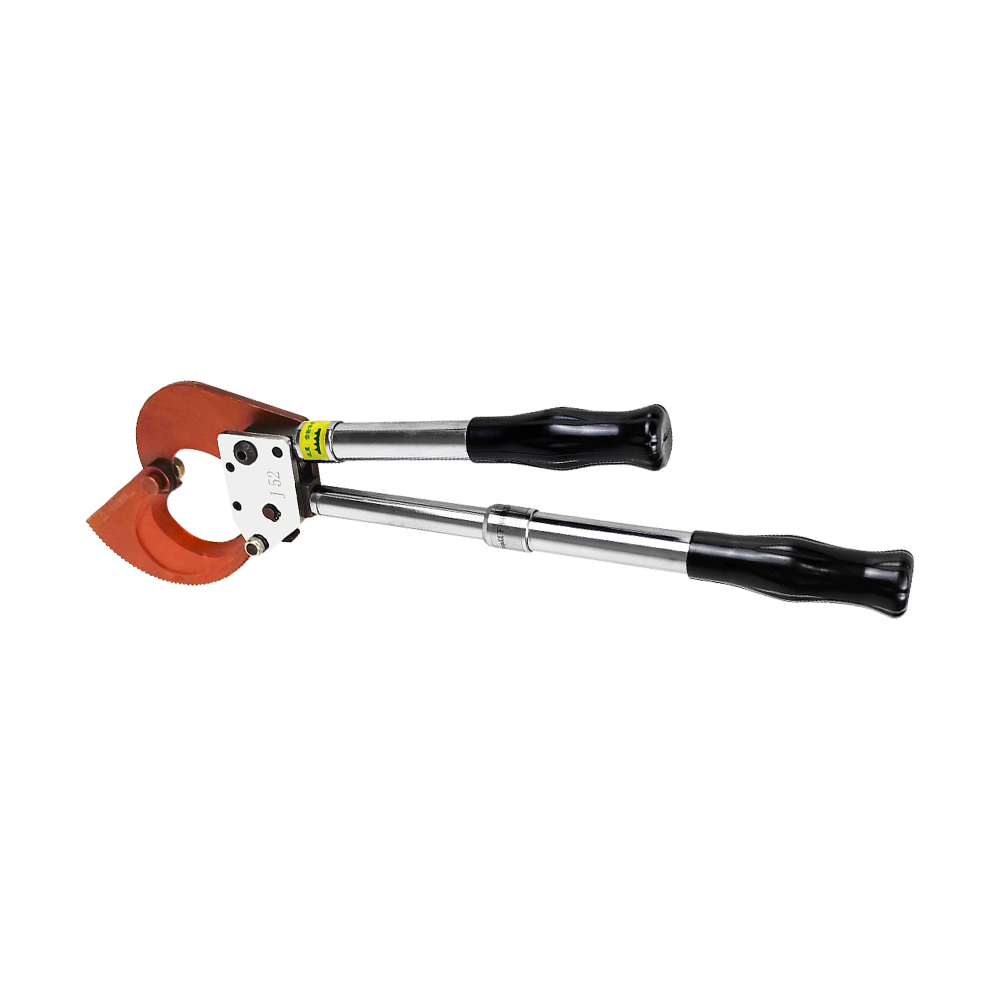
| Operating method | Manual, battery-powered, or pump-driven | Matches the tool to the work environment |
| Additional functions | Cutting only or combined cutting and crimping | Clarifies the required tool configuration |
This comparison also helps buyers avoid paying for a configuration that does not fit their actual work. A compact cutter may be suitable for a contractor handling smaller distribution cables, while a project involving larger armored cables may require a model with a greater rated cutting diameter.
5. Consider the Work Environment and Tool Configuration
Technical capacity is only part of the procurement decision. The tool must also suit the worksite, operator access, and expected cable preparation tasks.
Battery-Powered Hydraulic Cutters
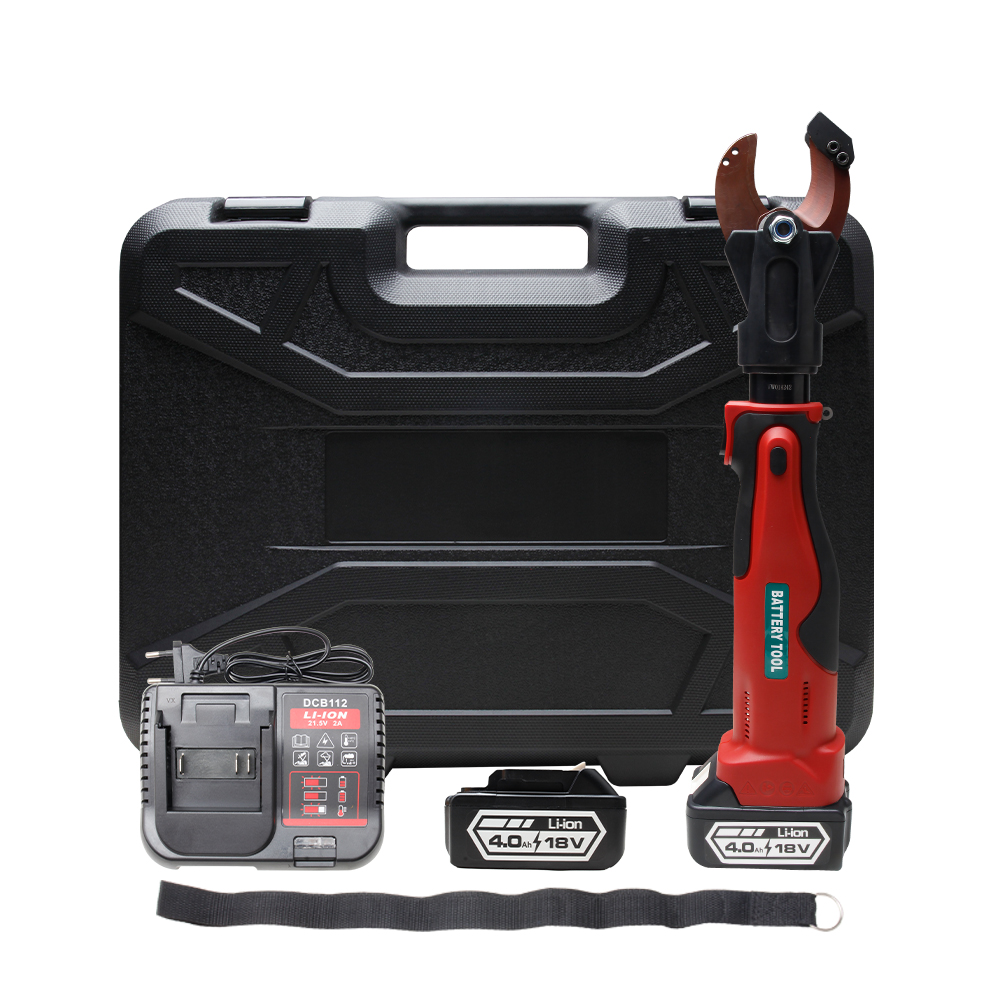
Battery-powered models are useful for field installation, utility work, and maintenance tasks where a portable tool is desirable. Buyers should check battery voltage, battery capacity, charging requirements, tool weight, and the manufacturer's stated cutting cycles per charge.
Our 300/400 Series includes 18 V battery-powered models. Depending on the model, published specifications include a 4.0 Ah battery capacity and a charging time of approximately two hours. Actual cutting output per charge depends on the specified model, cable dimensions, and operating conditions. Procurement teams should confirm the configuration supplied with their order.
Two-in-One Cutting and Crimping Tools
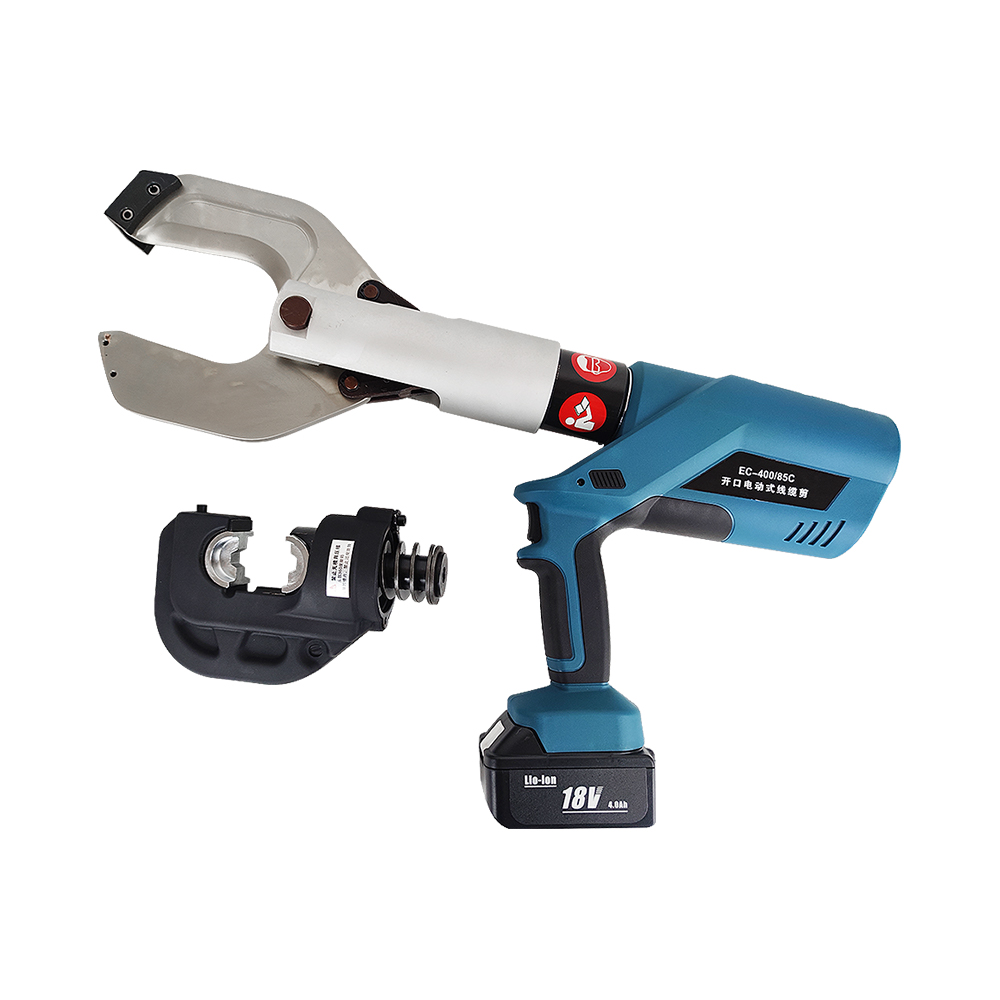
Some projects involve both cable cutting and terminal preparation. A combined tool may be appropriate when its cutting and crimping ranges cover the intended applications. These are separate ratings: a crimping range expressed in mm² does not establish the maximum cable diameter that the tool can cut.
Before ordering a combined model, verify the cutting range, crimping range, available dies, battery configuration, and included accessories. This review is particularly relevant to distributors building inventory for contractors with different cable and terminal requirements.
Access and Handling Requirements
Restricted installation spaces, overhead work, and repeated positioning can affect which tool configuration is practical. Consider overall dimensions, weight, cutting-head opening, and access to the cable. Our team can review these requirements alongside the technical ratings to help identify suitable product options.
6. Questions to Resolve Before Confirming a Purchase
Clear technical communication helps reduce uncertainty during quotation review and order confirmation. We recommend resolving the following points with Changyou before finalizing the specification.
- Which cable materials and constructions will the tool handle?
- What is the largest outside diameter that must be cut?
- Does the published rating cover the exact cable type in the project?
- Is a battery-powered, manual, or externally powered configuration required?
- Are cutting and crimping both necessary, and do their respective ranges match the job?
- Which batteries, chargers, dies, and other accessories are included in the quotation?
- Are technical documents and product specifications available for internal approval?
Sharing cable specifications, photographs, or relevant technical drawings can help us understand the application more accurately. Where the cable construction falls outside a published rating, we recommend obtaining confirmation from our technical team instead of assuming compatibility.
7. How Changyou Supports Cable Cutter Procurement
At Changyou, we supply hydraulic tools for electrical installation, power distribution, construction, and industrial applications. Our cable cutter range includes options designed for different cable sizes, operating methods, and cutting requirements.
We work with buyers to clarify the intended application, compare relevant model specifications, and review configuration requirements. This process is useful for distributors planning product assortments as well as contractors purchasing equipment for a defined project.
Our 300/400 Series combines cutting and crimping functions in selected models, with specifications that vary by model. Reviewing those differences helps buyers distinguish between compact cable-cutting requirements and applications involving larger cable diameters or additional crimping operations.
Rather than relying on a general product description, we encourage procurement teams to provide the cable material, construction, outside diameter, and intended working conditions. These details allow us to discuss the relevant ratings and accessories with greater precision.
Frequently Asked Questions
Can the same hydraulic cutter handle copper and aluminum cables?
Some models are rated for both materials, but compatibility depends on the cable construction and the tool's published specifications. Confirm the applicable cutting range for each cable type before use.
Does a larger cutting diameter always indicate greater cutting force?
No. Cutting diameter and cutting force describe different aspects of tool performance. The cutting head, blade design, cable construction, and rated application range must also be considered.
Are cable diameter and conductor cross-sectional area interchangeable?
No. Cable diameter is generally measured in millimeters, while conductor cross-sectional area is expressed in mm². Buyers should confirm both measurements where they are relevant to the application.
What information should I send Changyou for a product recommendation?
Provide the cable material, outside diameter, construction type, required cutting range, operating environment, and any additional crimping requirements. These details help our team review suitable models and their published specifications.
Make the Rating Match the Application
The right cable cutter specification begins with the cable itself. Copper and aluminum are useful starting points, but diameter, armor, reinforcement, cutting-head design, and operating conditions determine whether a particular model fits the job.
At Changyou, we encourage buyers to compare complete technical specifications rather than relying on a single force rating or material label. Share your cable requirements with our team to discuss suitable hydraulic cutting tools, model configurations, and accessories for your project.