
 English
 Español
JingShi
JingShi
JingShi
JingShi
JingShi
JingShi
JingShi
JingShi
JingShi
Industrial lifting projects depend on more than load capacity alone. The cylinder must fit beneath the equipment, provide enough travel to reach the required height, and work within the hydraulic system's operating limits. At Changyou, we encourage buyers to review stroke length alongside retracted height, lifting force, and installation dimensions before confirming a hydraulic cylinder order.
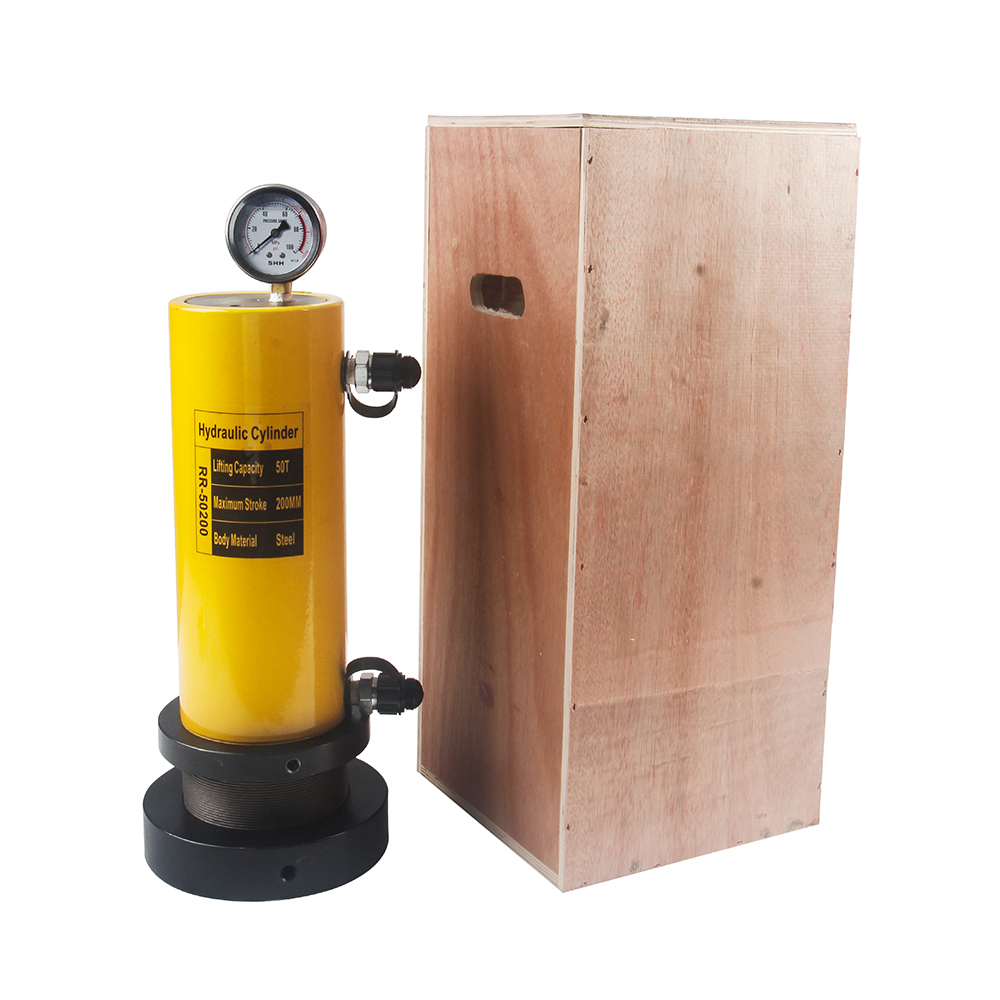
A single acting hydraulic cylinder jack uses hydraulic pressure to extend its piston or plunger, while the return movement depends on the cylinder's design, such as spring return, gravity return, or an external load. Understanding the required travel helps buyers identify a suitable model for equipment positioning, machinery installation, structural lifting, and maintenance applications.
1. Understand What Cylinder Stroke Means
Stroke refers to the distance the piston rod or plunger can travel between its retracted and extended positions. It determines how far the cylinder can move a load during one extension cycle.
- Short stroke: Suitable for applications requiring limited movement, such as component positioning or lifting equipment through a small clearance.
- Medium stroke: May suit general machinery lifting and installation tasks that require a moderate amount of travel.
- Long stroke: Can accommodate applications requiring greater movement, provided the cylinder's rated capacity, stability, and installation dimensions meet the project requirements.
These categories are descriptive rather than universal size classifications. The actual stroke range available depends on the cylinder series and model. At Changyou, we recommend starting with the measured travel required by the equipment instead of choosing a cylinder based on a general size description.
2. Compare Required Lift Height with Available Stroke
The required lifting distance provides the starting point for evaluating stroke. Buyers should calculate the difference between the equipment's initial position and its target position, then confirm that the selected cylinder can provide the necessary travel within its rated operating range.
Consider a machine component that needs to rise by 120 mm. A cylinder with a rated stroke of 100 mm cannot complete that movement in a single extension cycle. A model with a 150 mm stroke may provide sufficient travel, subject to the installation geometry, load rating, and operating requirements.
- Measure the required vertical movement at the actual lifting point.
- Account for brackets, saddles, support plates, and other components that affect the final height.
- Check whether the lifting mechanism changes the relationship between cylinder travel and load movement.
- Confirm the permitted operating stroke and avoid extending beyond the manufacturer's rated limit.
For linkage systems, cylinder movement may not correspond directly to vertical lifting distance. Scissor mechanisms and angled mounting arrangements can change the travel ratio throughout the movement. Equipment drawings or photographs can help our team understand these dimensional relationships.
3. Check Retracted Height and Available Installation Space
A cylinder may provide enough stroke but still fail to fit into the available space. Retracted height is particularly important for maintenance and machinery installation projects where the gap beneath the load is restricted.
Buyers should compare the cylinder's overall dimensions with the available installation envelope before placing an order.
- Retracted height: Confirms whether the cylinder fits beneath the load before extension.
- Extended height: Helps establish the final working position when combined with the cylinder's mounting dimensions.
- Body diameter: Determines whether the cylinder can fit within the surrounding structure.
- Contact surface: Ensures that the saddle or plunger can engage the approved lifting point correctly.
For example, an industrial machine may require 150 mm of lifting travel but provide only 100 mm of initial clearance. The buyer must identify a cylinder whose retracted dimensions fit the space while still providing the required stroke. A longer-stroke model is not automatically suitable if its body or collapsed height exceeds the available clearance.
4. Match Stroke with Lifting Capacity and Hydraulic Pressure
Stroke should never be assessed independently of load capacity. Cylinder force depends on effective piston area and hydraulic pressure, while the permitted load also depends on the manufacturer's rated specifications and the application conditions.
The theoretical extension force can be expressed as:
Force = Hydraulic Pressure × Effective Piston Area
This relationship helps buyers understand the connection between pressure and force, but it does not replace the manufacturer's rated capacity. Actual system pressure, load distribution, mechanical geometry, and operating conditions must be considered during equipment selection.
- Confirm the load applied at each lifting point rather than relying solely on the total equipment weight.
- Verify that the cylinder's rated capacity covers the required load under the intended operating conditions.
- Match the cylinder's pressure rating with the pump, hoses, couplers, and other connected components.
- Review rod stability and side-loading restrictions, particularly for longer strokes.
At Changyou, we recommend reviewing the cylinder and its hydraulic power source as a complete system. A compatible combination supports the intended movement without relying on pressure or stroke values outside the published specifications.
5. Confirm the Return Mechanism and Installation Method
Single-acting cylinders use hydraulic pressure to produce movement in one direction. Their return method varies by design, so buyers should confirm how the plunger retracts after pressure is released.
- Spring return: An internal spring retracts the plunger after hydraulic pressure is released, subject to the model's operating requirements.
- Gravity return: The plunger retracts under gravity in an approved installation orientation.
- Load return: An external load provides the return force where the cylinder is designed for that arrangement.
Mounting configuration also affects how the cylinder transfers force to the equipment. Buyers should check the base, contact surface, mounting accessories, and permitted loading direction. Side loads, unstable contact points, and unsuitable installation angles can compromise safe operation.
6. A Practical Checklist Before Ordering
Our team recommends preparing the following information before requesting a quotation from Changyou:
- Required lifting distance and target working height.
- Available clearance and maximum permitted retracted height.
- Required load capacity at each lifting point.
- Available hydraulic pressure and pump specifications.
- Cylinder return method and intended operating orientation.
- Mounting dimensions, contact surfaces, and installation drawings.
- Operating frequency and environmental conditions.
Providing these details helps us compare suitable models and identify dimensional or hydraulic requirements that need further confirmation. It also gives purchasing teams a consistent basis for reviewing technical quotations.
Find a Suitable Cylinder Configuration with Changyou
At Changyou, we understand that cylinder selection involves balancing travel, installation space, load capacity, and hydraulic compatibility. A model with sufficient stroke may still be unsuitable if its retracted height, mounting arrangement, or rated force does not match the equipment.
Share your required lift height, load details, available installation space, and hydraulic system specifications with our team. We can review these requirements with you and help identify a hydraulic cylinder jack configuration that matches your intended application.
Accurate measurements at the procurement stage provide a clearer basis for technical review, equipment integration, and project planning. Before confirming your order, ensure that the selected cylinder's stroke and complete rated specifications match the actual lifting task.