
 English
 Español
JingShi
JingShi
JingShi
JingShi
JingShi
JingShi
JingShi
JingShi
JingShi
Strong wire rope connections depend on more than raw pressing power. A hydraulic wire rope crimping tool may generate substantial force, yet the result still depends on whether the die, ferrule, and rope diameter match the intended application. This makes “force or fit?” an important question for users working with lifting cables, rigging assemblies, guard cables, and general wire rope terminations.
High hydraulic output provides the pressure needed to deform a sleeve, but correct geometry determines where that force is applied. Understanding the relationship between these two factors can help users assess a crimping system more accurately.
Crimping Force Sets the Mechanical Capability
Hydraulic pressure is converted into mechanical force at the ram or crimping head. Different applications require different force levels because ferrule materials and rope diameters vary considerably.
- Light cable work: Smaller ferrules may require only a compact hydraulic mechanism.
- Medium wire rope: Higher output becomes useful as sleeve dimensions increase.
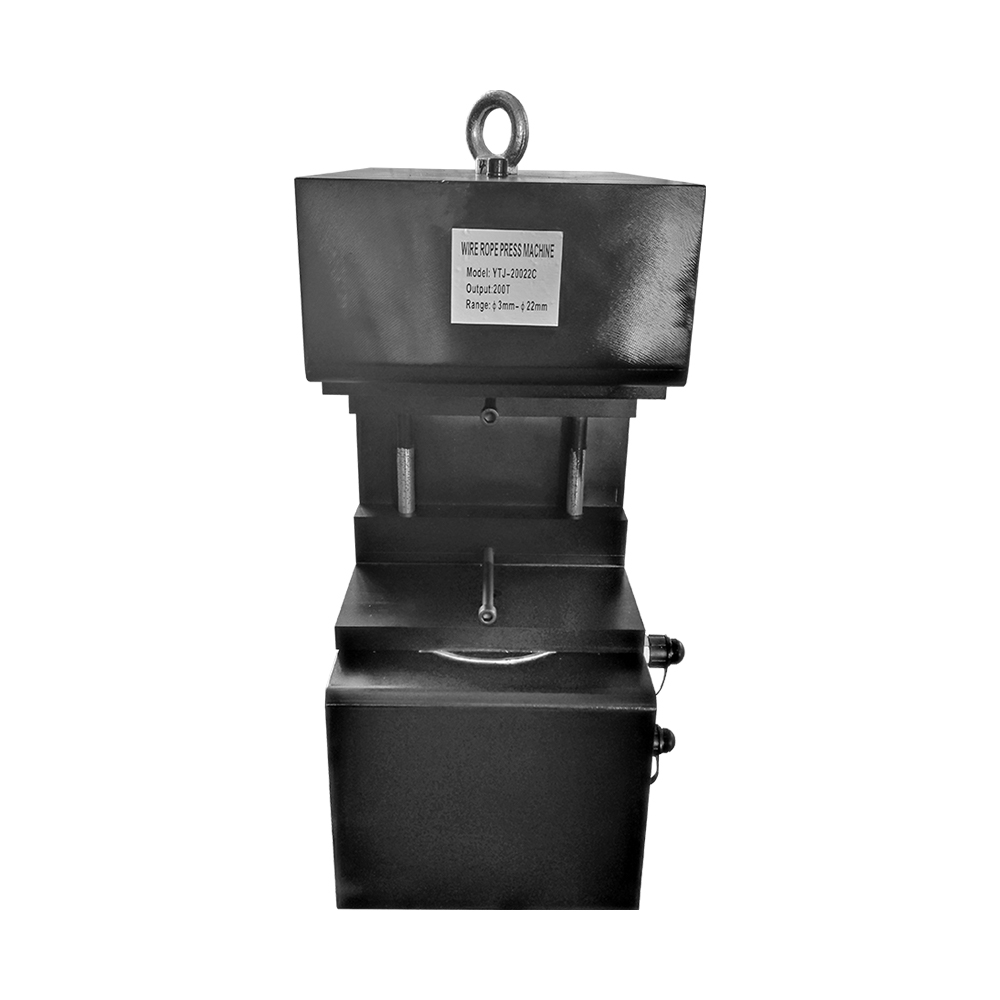
- Heavy rope assemblies: Large hydraulic presses can provide hundreds or thousands of kilonewtons of swaging force.
- Industrial swaging: Large machines may operate at hundreds of bar hydraulic pressure and use dedicated die blocks.
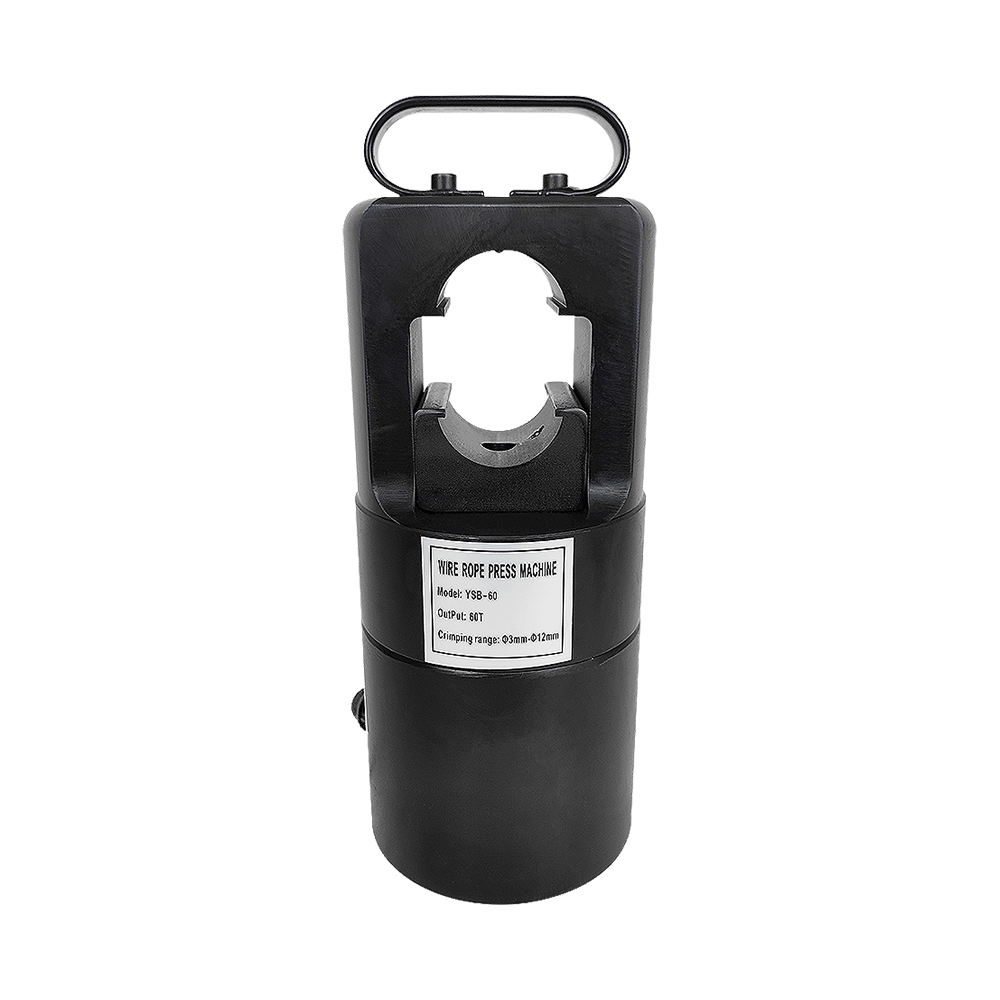
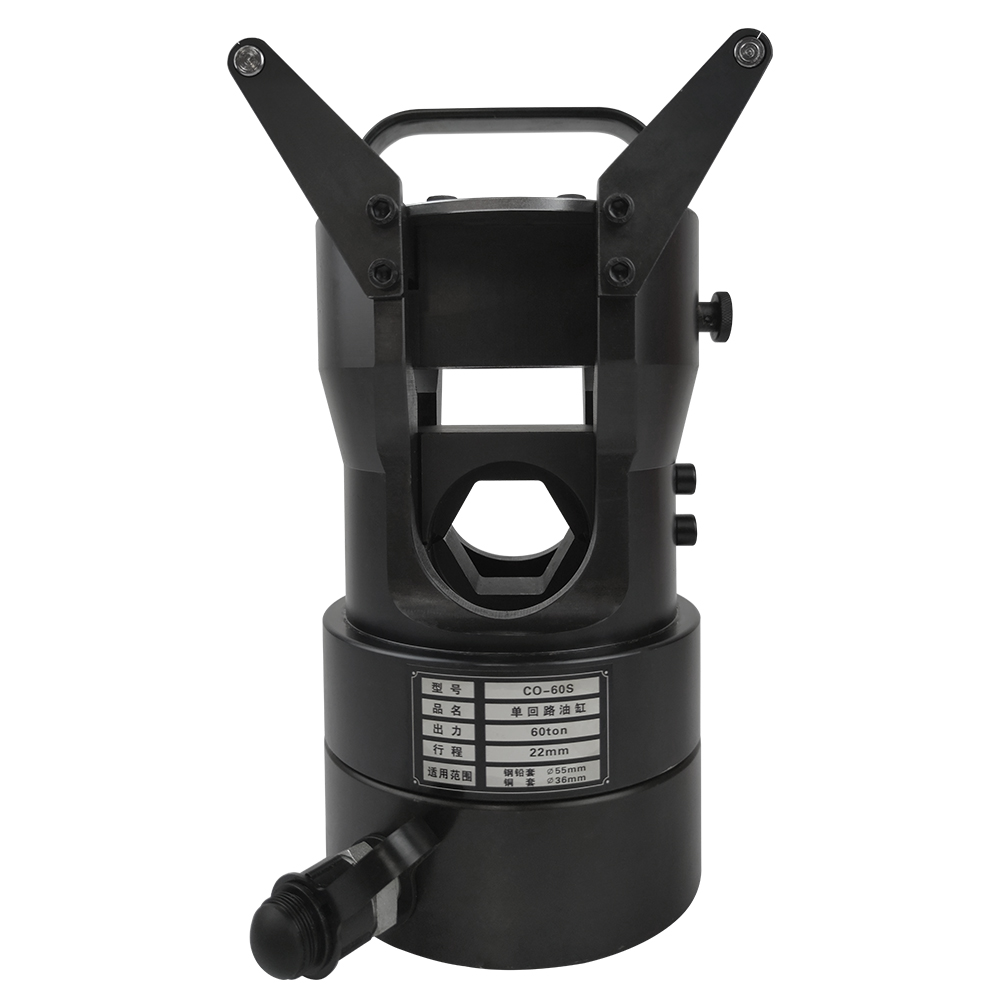
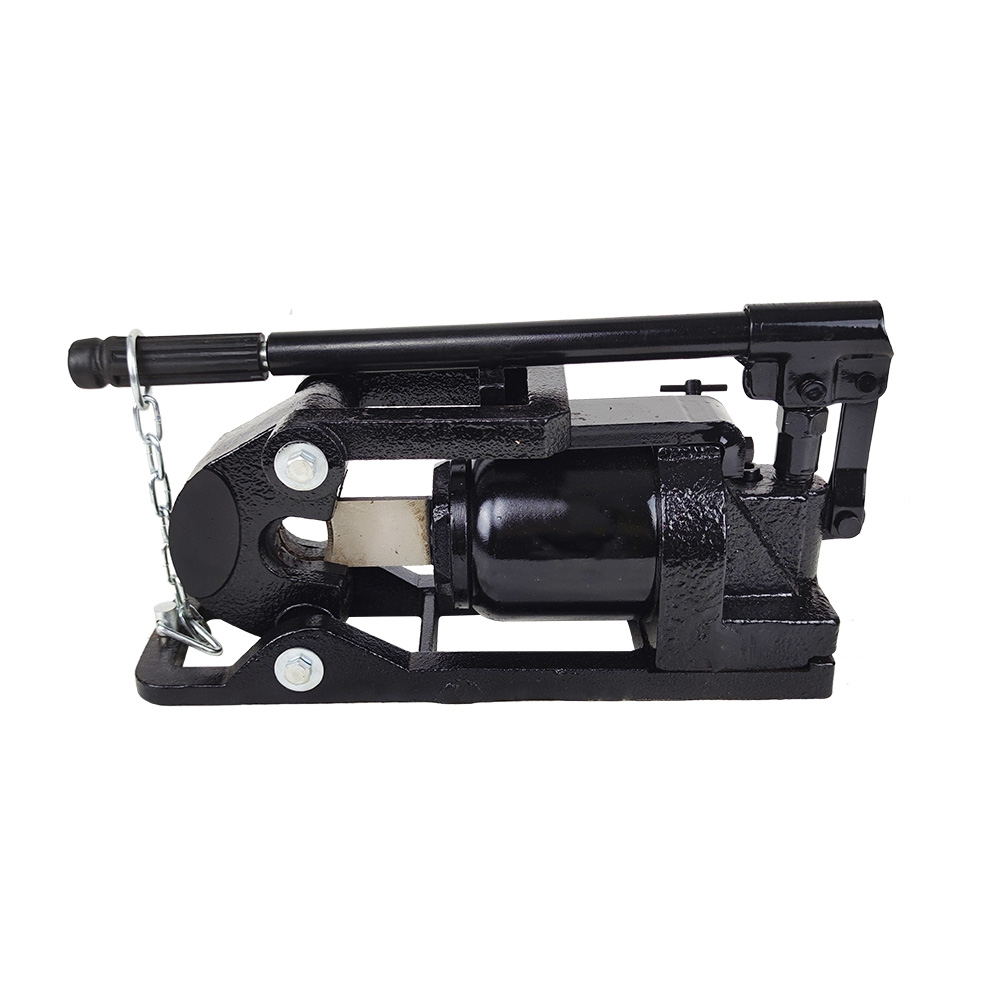
Published equipment data illustrates the wide range available. One hydraulic compression tool produces 12 tons and covers wire rope up to 12 mm, while another 35-ton model handles rope up to 16 mm.
Fit Determines Where the Force Goes
Raw force cannot compensate for an incorrect die. The die needs to surround the ferrule correctly so hydraulic pressure compresses the sleeve according to the required profile.
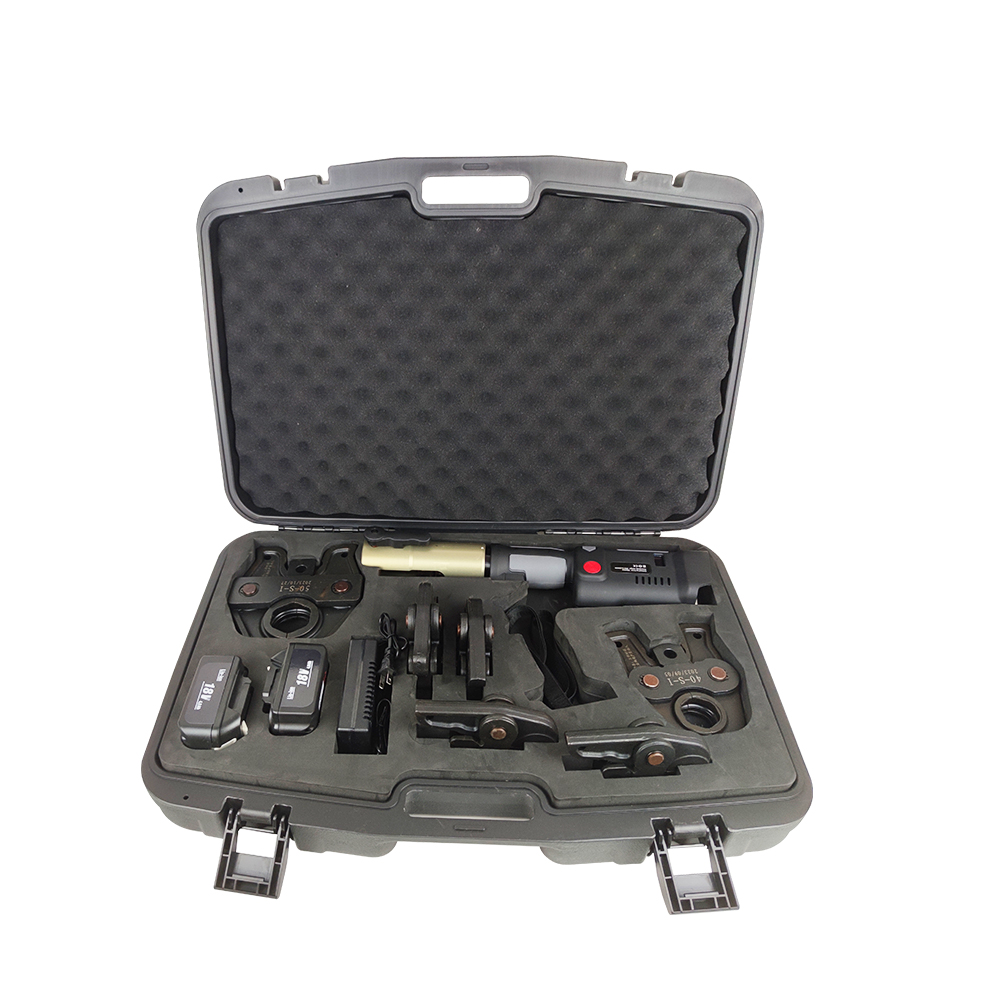
Wire rope tools may use hexagonal, oval, round, or application-specific dies. Published specifications show die sets matched to different rope and ferrule combinations, with some systems covering rope diameters from roughly 1.5 mm through 12 mm.
That means the useful capability of a hydraulic wire rope crimping tool should be evaluated through its complete die system rather than its tonnage alone.
Rope Diameter Changes the Equation
Wire rope diameter provides a starting point for die selection, but it does not tell the complete story. Rope construction can also influence the required termination method.
- Small-diameter rope: Commonly uses compact sleeves and smaller die cavities.
- Steel-core rope: May require different tooling specifications from fibre-core rope.
- Larger rope: Requires a die opening and hydraulic output suitable for the sleeve dimensions.
- Mixed applications: Benefit from interchangeable dies covering several rope diameters.
Technical die charts can distinguish between fibre-core and IWRC constructions. One published system, for example, lists separate compatible rope ranges for different ferrule sizes and core types.
Ferrule Material Also Changes the Requirement
Aluminium, copper, stainless steel, and other sleeve materials do not behave identically under compression. Material hardness and sleeve geometry influence the force required to achieve the specified finished dimension.
Some hydraulic tools use dedicated dies for aluminium and copper ferrules, while separate dies are available for stainless steel swage fittings. A compact hydraulic model, for example, offers different die configurations for stainless steel rope fittings and oval ferrules.
This explains why simply increasing hydraulic output does not automatically make a tool suitable for every ferrule.
Finished Diameter Is a Useful Check
Successful crimping should be assessed through the finished sleeve dimensions rather than visual appearance alone. Gauge measurements can confirm whether the compressed ferrule has reached the required size.
- Before crimping: Confirm rope diameter and sleeve specification.
- During crimping: Use the die and compression sequence specified for the assembly.
- After crimping: Measure the finished ferrule where the applicable specification requires dimensional verification.
- Before service: Check the completed termination against the relevant application requirements.
Some professional swaging systems supply gauges specifically for checking the compressed diameter after the operation.
Force and Fit Need to Work Together
The question is therefore not simply whether a hydraulic wire rope crimping tool has enough force. Hydraulic output needs to match the sleeve material and size, while the die must match the rope and ferrule geometry.
Users comparing tools should look at crimping force, rope diameter range, ferrule compatibility, die configuration, stroke, and finished-diameter verification as a combined specification. A 35-ton tool may suit one application while a compact 5-ton system is more appropriate for another.
Strong hydraulic force creates the capacity to compress. Correct fit determines how that capacity is transferred to the termination. Treating both factors as equally important gives users a clearer way to evaluate wire rope crimping equipment.