Hydraulic Cable Cutters: Material Capabilities, OEM Options, and Selection Guide
Hydraulic Cable Cutters are useful tools. You can find them on utility job sites or in an electrical contractors truck. They are good at cutting through wires with a clean and precise motion. This means you do not get any sparks or rough edges. You also do not have to spend a lot of time using a hacksaw.
Let us take a look at what Hydraulic Cable Cutters can cut. We will also see if you can put your brand on them and what kind of materials they can handle.
Hydraulic Cable Cutters can cut types of cables. However what they can cut depends on how hard the material's how thick it is. Hydraulic Cable Cutters are useful tools, for cutting different types of cables.
Copper and Aluminum Power Cables
This is the bread and butter. A mid-range cutter like the P-65C chews through copper and aluminum wire up to 65mm in diameter. Step up to a larger model, and you are looking at 120mm capacity, which covers most transmission and distribution work. The shear action leaves a clean face, so you are not fighting deformed strands when you go to crimp on a lug.
Armored Cables
Steel or aluminum sheathing changes the math. That same cutter rated for 65mm on bare aluminum might only handle 45mm when armored cable is involved. The extra force required to punch through the metal wrap means you need to check the specs carefully before you start.
Steel Wire Rope and Guy Wire
Some cutters are built for rigging work. They will handle wire rope up to about 22mm (7/8 inch), though the hardness rating matters more than the diameter. A cutter rated for HRc 48 can manage most structural cable you find on the job.
Rebar and Ground Rods
You can use these tools to cut rebar. You should not expect too much. The tools can usually cut rebar that's 13 to 16mm in diameter. This is not as big as the diameter of copper. These tools are good for installing ground rods or for cutting rebar. However you should not use them to cut rebar that's too big for the tools. Rebar cutting is what these tools are, for so use them for rebar and ground rods but do not try to cut anything that's too big.
| Material |
Typical Max Diameter |
Where You See It |
| Copper/aluminum wire |
65 – 120 mm |
Substations, feeders |
| Armored cable |
45 – 105 mm |
Industrial plants, high-voltage |
| Wire rope |
16 – 22 mm |
Rigging, maritime |
| Rebar, ground rods |
13 – 16 mm |
Construction, grounding |
If you are in the distribution game, the answer is yes. Many suppliers offer split-type cutters with your branding on them. These are the tools where the cutting head detaches from the power source—usually a separate hydraulic pump that connects through a quick coupler.
What you can usually customize:
- Branding and packaging: Logos, colors, and box design are straightforward.
- Blade specifications: Hardness and finish can sometimes be tweaked to match the materials you work with most often.
- C-type versus guillotine: The C-type open head is popular because you can drop the cable in from the side. No threading required.
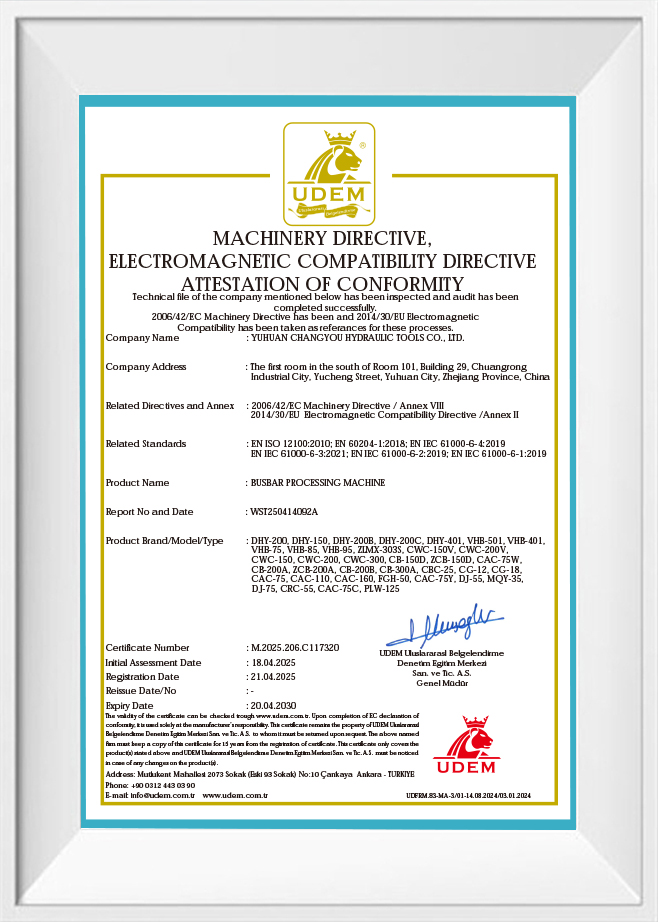
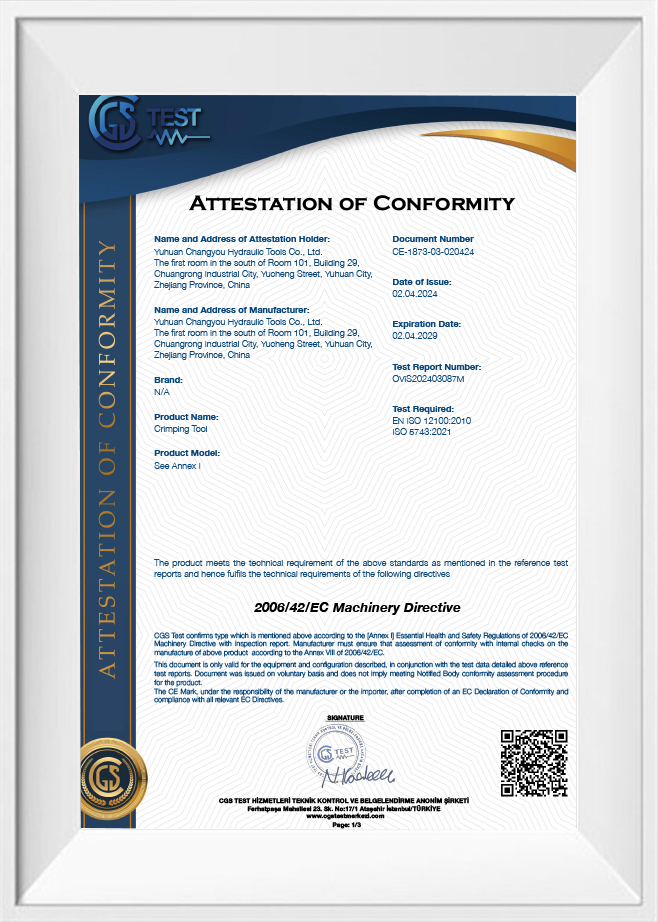
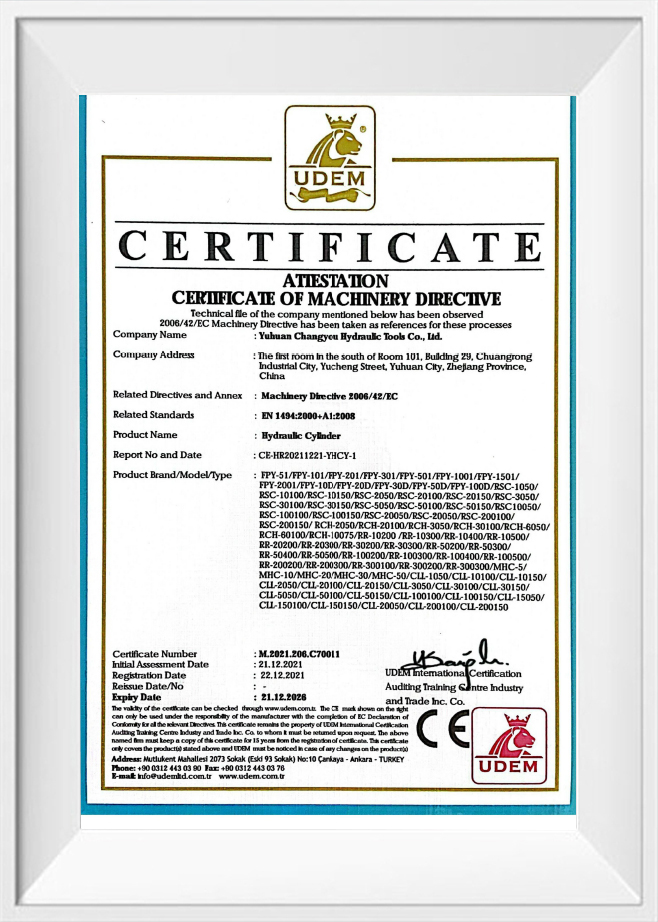
The split design matters because it keeps the hand tool light. You carry the head to the cable, and the pump stays on the ground. For OEM buyers, the key questions are minimum order quantities and certifications. Most reputable shops offer ISO9001 and CE, which you will need if you are selling into industrial or utility markets.
Here is where things get interesting. These machines are not just for electrical cable. They show up in demolition, salvage, and even shipbreaking.
Conductive Metals
Copper, aluminum, and their alloys are the primary targets. The shear action produces a cold cut with no heat-affected zone, which matters when you are reclaiming scrap or preparing ends for connectors.
Structural Steels
Mild steel in the form of rebar, anchor rods, and guy wire is fair game. Some users cut through steel strapping and banding material. The rule of thumb is that if it is not hardened, and it fits the jaw, you can probably cut it.
What You Cannot Cut
You cannot cut through hardened steel chain. This is because the steel is too hard and it will damage the blades. The people who make these machines tell you this in the manuals that come with them. You also cannot cut anything too hard for the machine to handle. This is usually anything with a hardness of HRc 48 or more no matter how thick or thin it is.
The machine uses a mechanism that cuts the material with a smooth motion. It does not crush the material it just slices through it. This leaves an end that is square. This is really good for cutting copper and aluminum. It is better, than using a grinder or a torch because those methods make sparks and waste some of the material. The machine is a way to cut these things because it is cleaner and more efficient.


 English
 Español