Electric Hydraulic Pumps in Industry Components, Operation and Power Supply Considerations
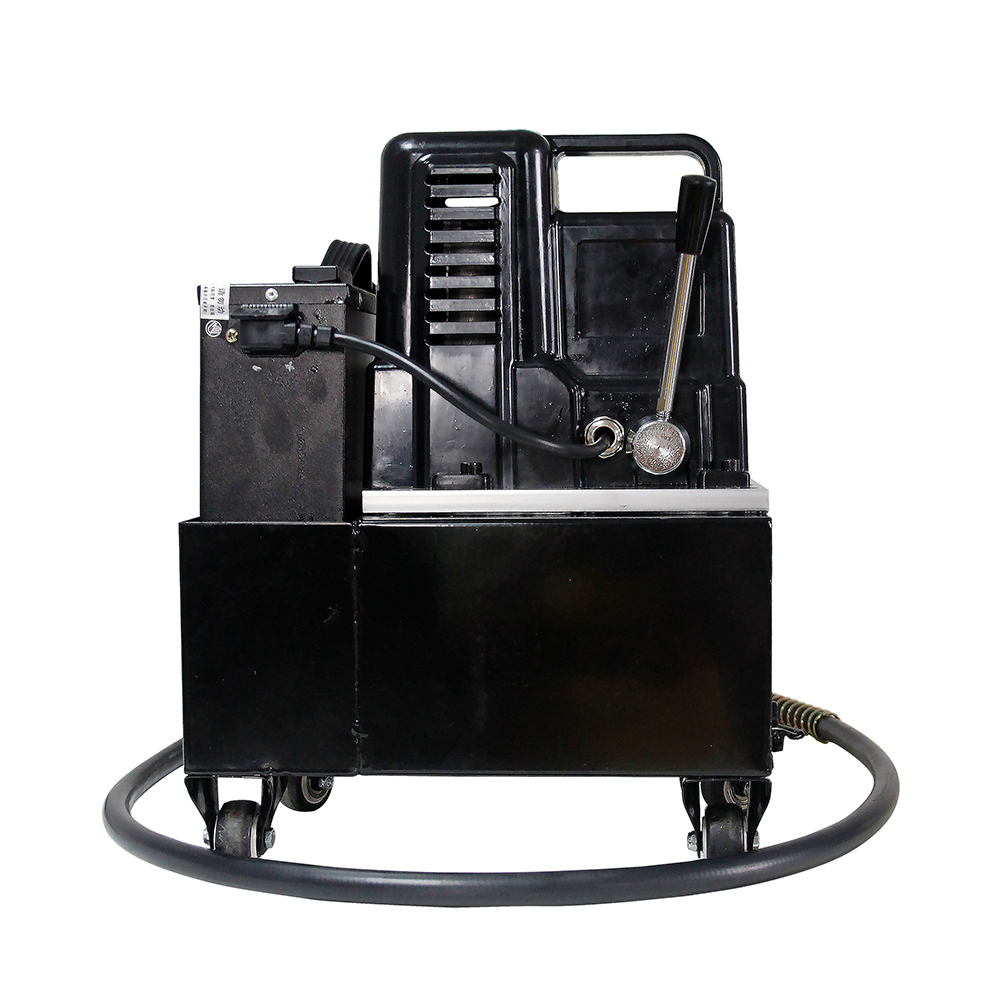
Electric hydraulic pumps are what make a lot of tools work. They power things like crimpers and jacks and presses and bolting systems. These pumps take the energy from electricity. Turn it into hydraulic energy. This energy gives us the pressure we need to push or pull or clamp or lift heavy things. We have to be careful because these machines can be a bit finicky when it comes to the power they get and how they start up.
What are the main parts of a power pack?
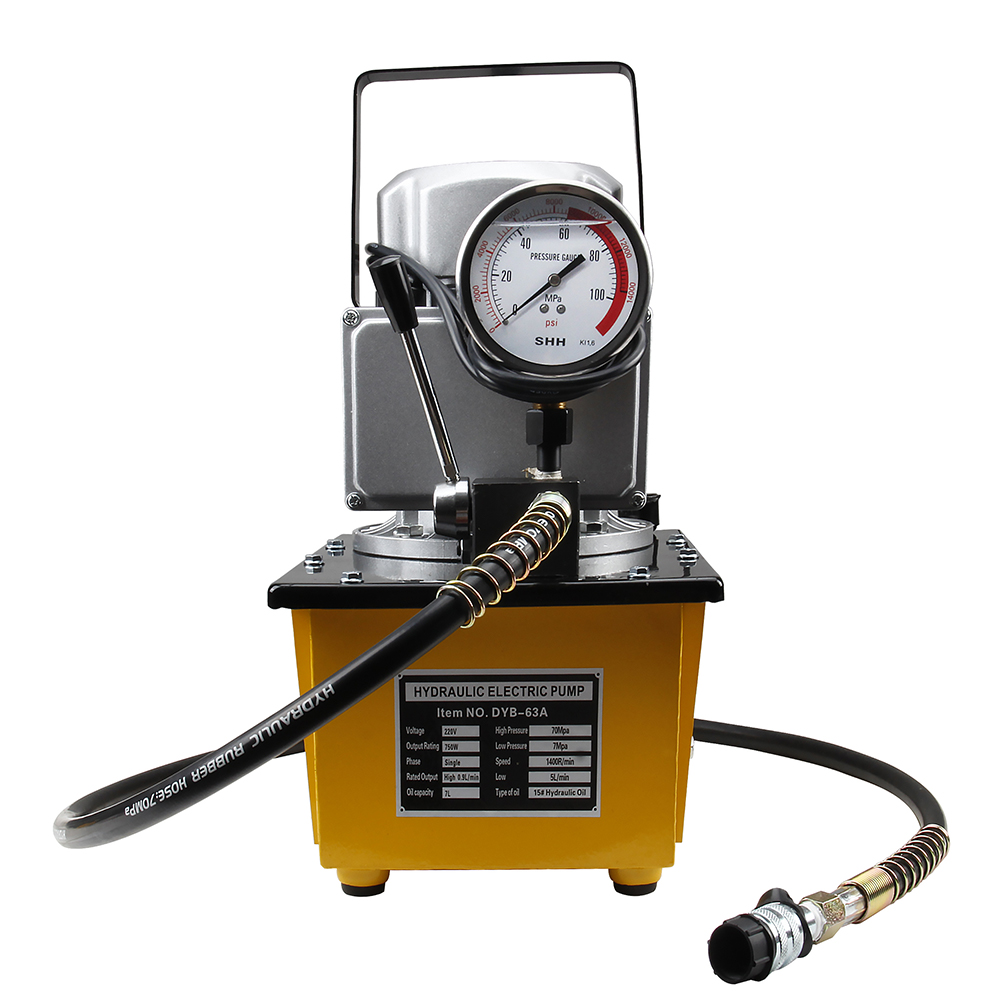
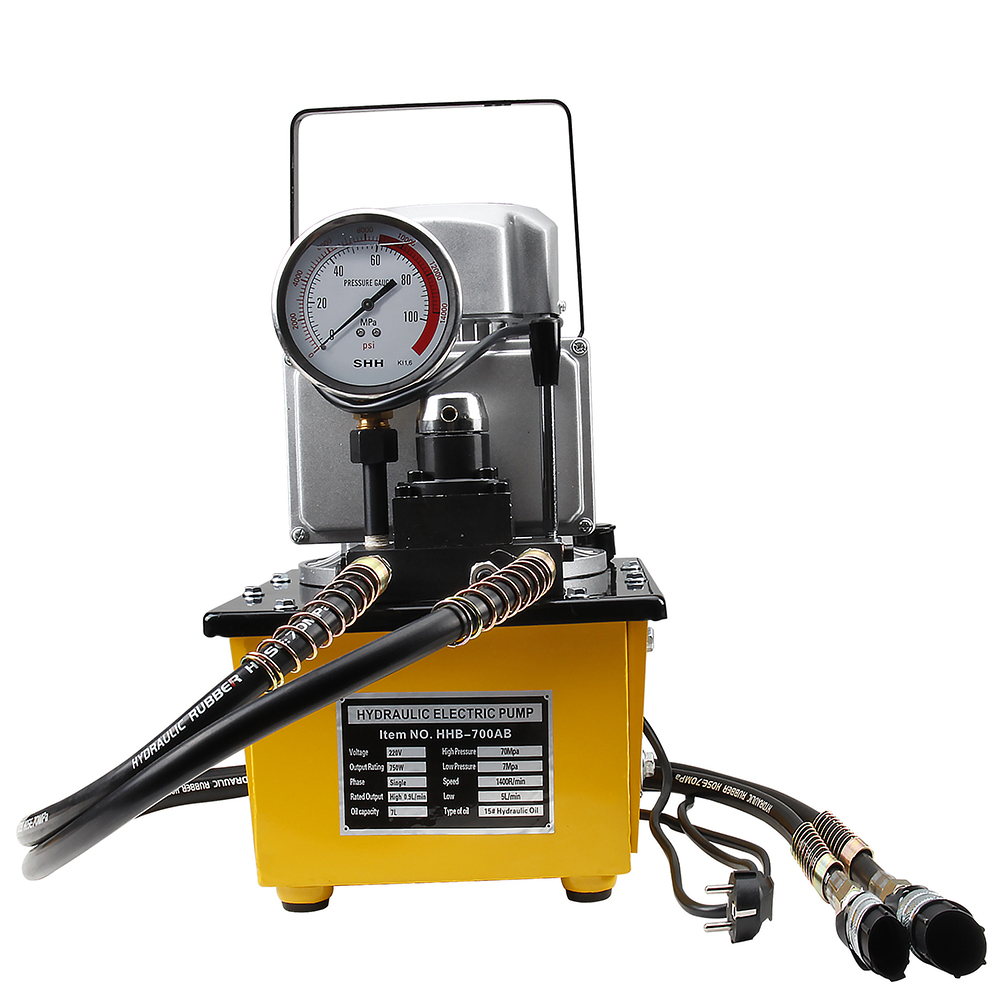
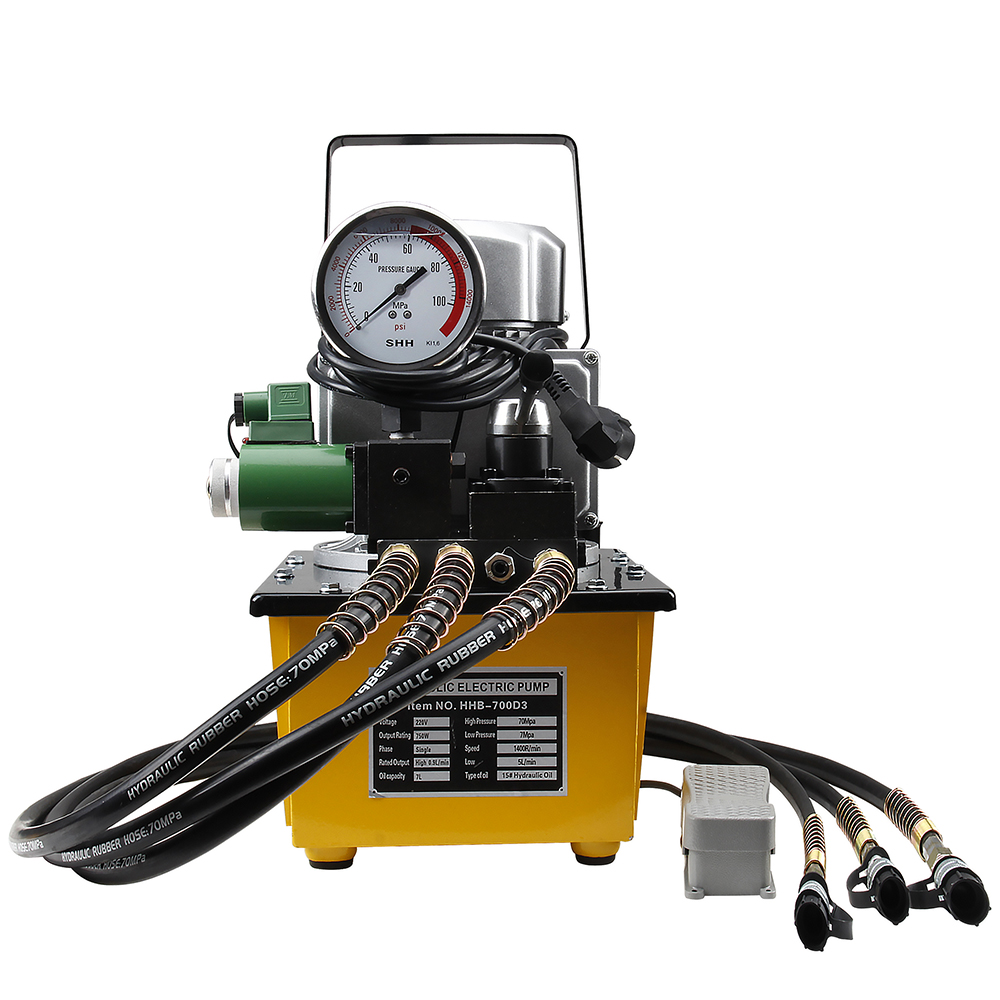
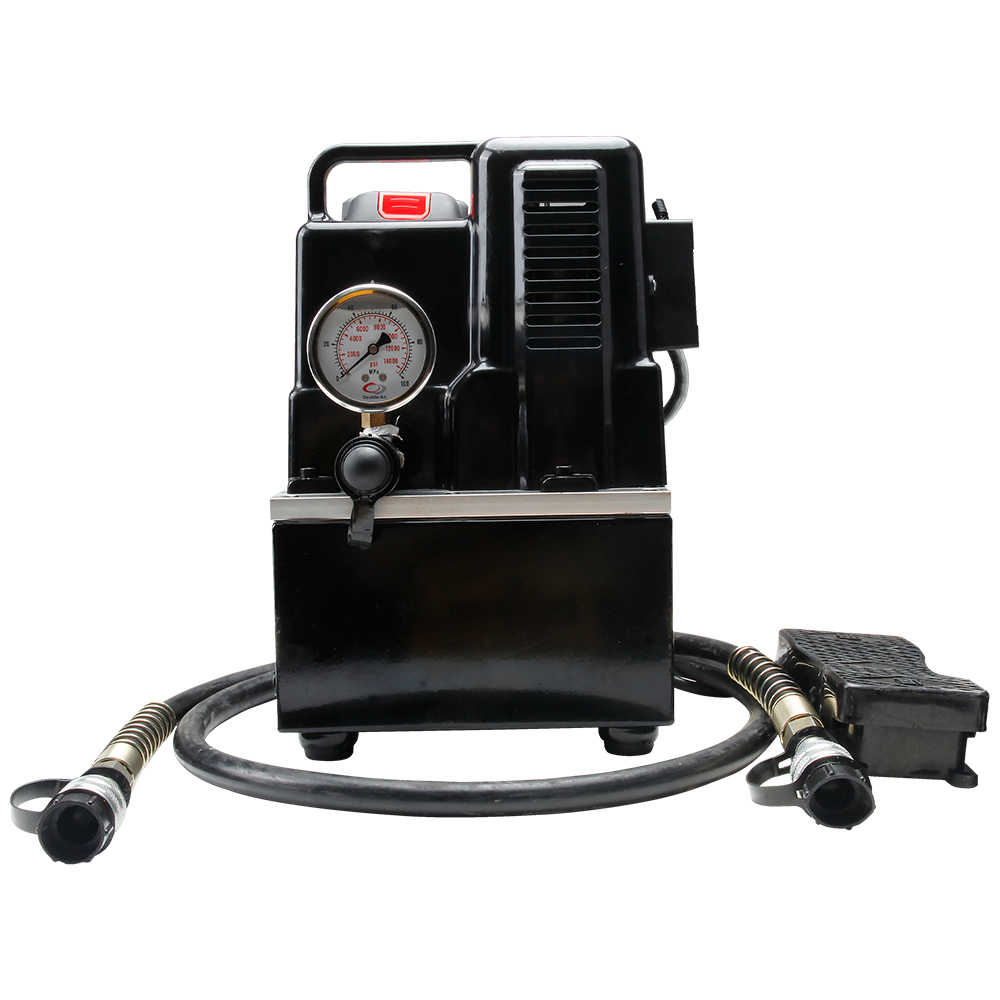
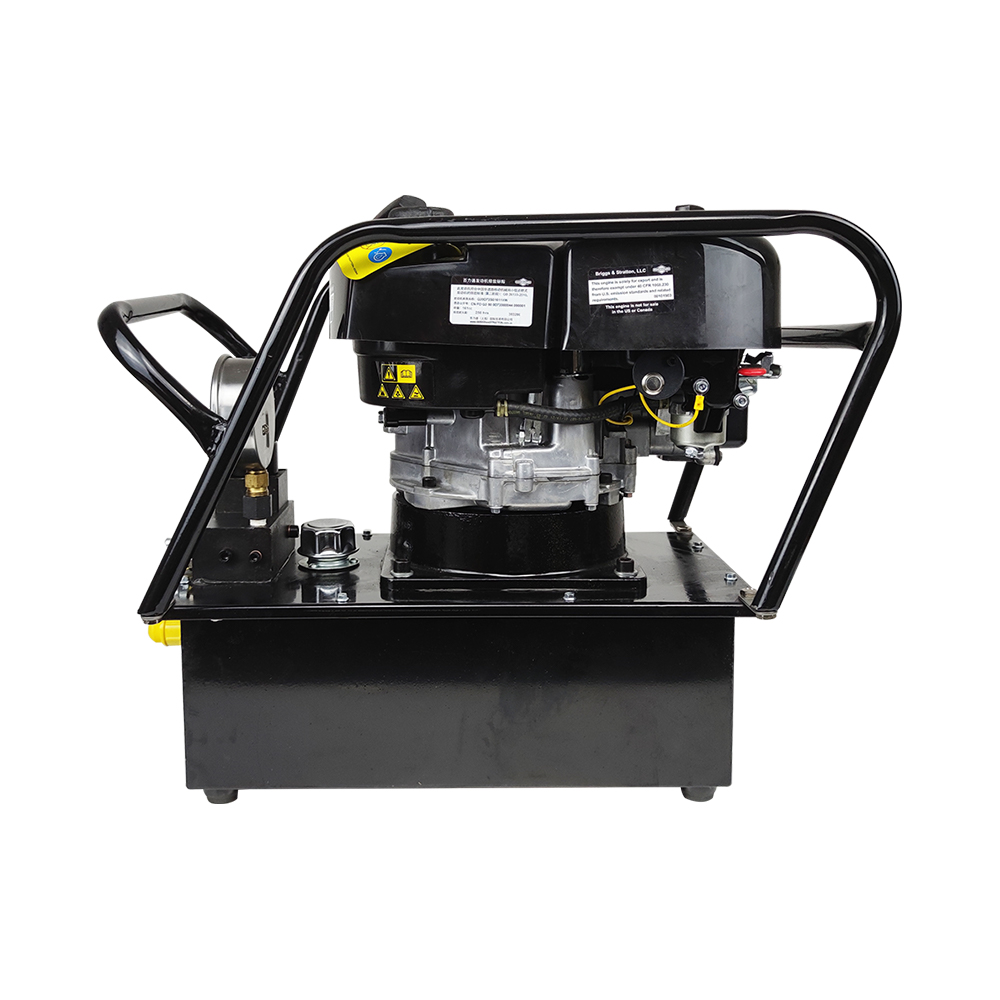
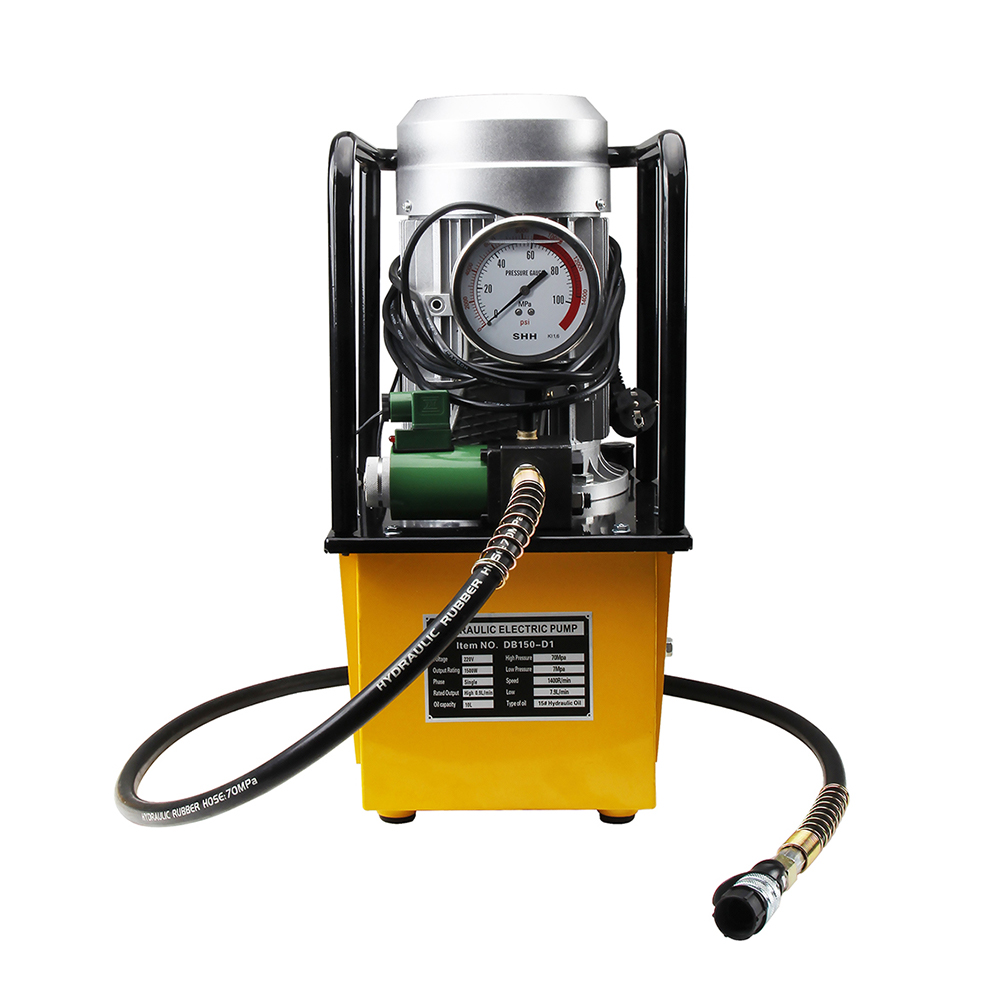
An electric hydraulic power pack is like a package that makes fluid that is under pressure. This fluid is what makes hydraulic tools or cylinders work. Most of these packs have some parts even though they can look a little different from one to another.
Electric Motor
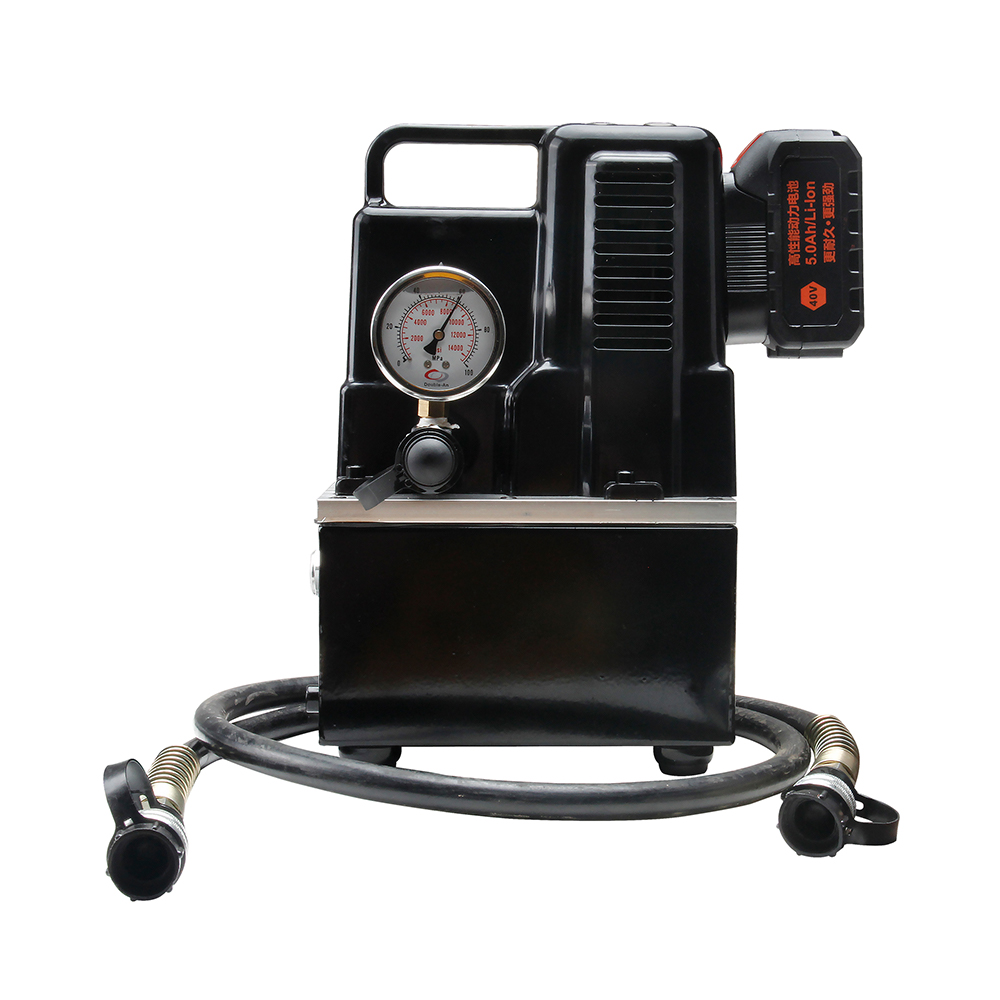
The motor provides the mechanical energy that drives the pump. Most industrial units use AC motors, with common options including universal motors that tolerate voltage fluctuations and work on generator power. Some newer designs use brushless DC motors, which eliminate brush wear and sparking concerns.
Hydraulic Pump
The pump converts the motor's rotational motion into fluid flow. Common types include gear pumps for moderate pressures and piston pumps for high-pressure applications up to 10,000 psi. Many units use two-speed pumps—a high-flow, low-pressure stage for rapid tool positioning, and a low-flow, high-pressure stage for the actual work.
Reservoir
The reservoir holds hydraulic fluid and allows it to cool between cycles. Usable oil capacity varies, with some economy pumps offering around 0.5 gallons .
Valve Assembly
Valves control fluid direction and pressure. Common configurations include:
- 3-way valves for single-acting cylinders (advance and return via spring or gravity)
- 4-way valves for double-acting cylinders (powered advance and retract)
- Dump or release valves for pressure relief after the work stroke
Controls and Manifold
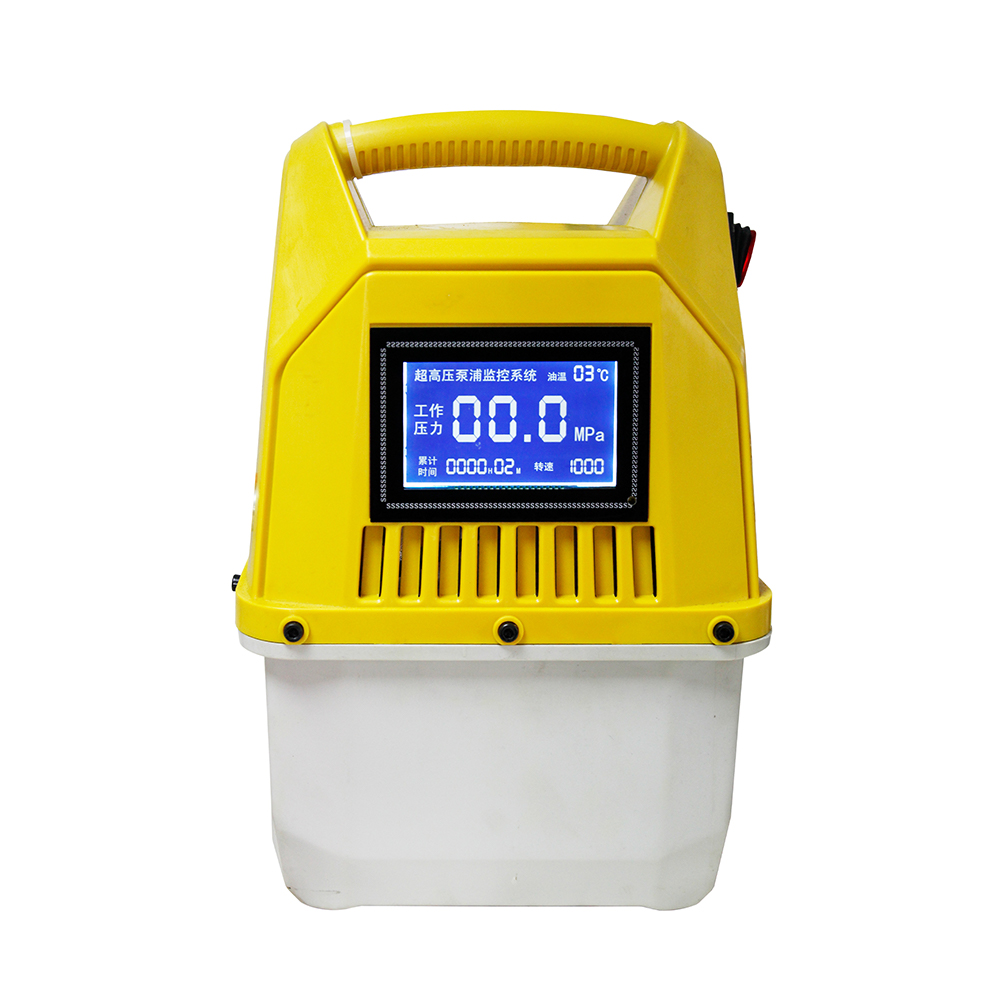
The control pendant or switch starts and stops the motor. The manifold directs fluid between the pump, valves, and tool connections.
A crimping tool is used to attach terminals to battery cables or electrical connectors. It needs a hydraulic pump that is usually built into the tool.
When you press the trigger on the crimping tool the electric motor in the crimping tool starts to turn a mechanism. This drive mechanism is usually a cam or an eccentric in the crimping tool. The turning motion of the cam or eccentric in the crimping tool makes a piston move in the hydraulic pump of the crimping tool. Many modern tools use a two-stage system:
- First stage: A small-volume piston moves the crimping dies forward quickly until they contact the connector.
- Second stage: As resistance builds, the pump shifts to a larger piston area, multiplying force to achieve the crimp. Pressures can exceed 10,000 psi.
Once the preset pressure is reached, a relief valve activates, and the tool may signal completion with an audible click. Releasing the trigger opens a dump valve, allowing fluid to return to the reservoir and the dies to retract.
Why Does My Electric Hydraulic Pump Trip the Circuit Breaker When It Starts?
Circuit breaker tripping at startup is a common frustration, and it usually traces back to one of several root causes.
Inrush Current (Startup Surge)
Motors draw significantly more current when starting than when running—sometimes 6 to 10 times the running amps. If the breaker is sized too closely to the running current, the startup surge will trip it. A hydraulic pump drawing 9.5 amps running may briefly pull much more.
Undersized Wiring or Long Extension Cords
Voltage drop from long or undersized cords causes the motor to draw even more current to compensate. This can trip the breaker even if the circuit is otherwise adequate.
Overly Sensitive Breaker Settings
In some facilities, switchgear protection settings are too sensitive and don't accommodate inrush. One case study found a pump ran fine on a generator but tripped breakers on the permanent feed simply because the protection settings hadn't been adjusted from default.
Motor or Pump Issues
Worn motor brushes, a seized pump, or low voltage supply can also cause excessive current draw.
Quick Fixes:
- Use a circuit with a higher amp rating or a "slow-blow" breaker designed for motor loads.
- Check the extension cord gauge; shorter and thicker cords reduce voltage drop.
- Verify the supply voltage matches the motor rating.
Yes—in many cases, you can. Several manufacturers explicitly state their pumps work well on generator-driven power supplies. However, there are conditions.
What to Watch For:
| Factor |
Consideration |
| Generator size |
Must provide enough starting (surge) wattage, not just running watts. Surge can be several times running power. |
| Voltage stability |
Generators with good voltage regulation handle startup surges better. A pump that starts easily on a generator may actually draw smoother current than on an overly sensitive permanent feed-. |
| Motor type |
Universal motors tolerate voltage dips better than some other types. Some pumps are rated to operate on voltages as low as 60 VAC (though performance suffers)-. |
| Duty cycle |
Most portable pumps are rated for intermittent duty. Running continuously may overheat the motor--. |
Practical Advice:
- Oversize the generator—consider 1.5 to 2 times the pump's running wattage to handle startups.
- Keep extension cords short and heavy-gauge.
- If the pump trips the generator's breaker, the generator may be too small or the settings too sensitive.


 English
 Español